What is the best time of year to go on a 4-day Nakuru safari?
The best time for a day Masai Mara Nakuru safari is during the dry season, which typically runs between June and September and again from January to February. Here’s why: during the dry season, the weather is more predictable, the skies are clear, and the roads within the park are in better condition. Most importantly for a safari trip, it’s easier to spot the wildlife because animals tend to gather around water sources like Lake Nakuru during this time.
In contrast, the wet seasons (March to May and October to December) have heavy rainfall, which can make the roads muddy and harder to navigate. Additionally, lush vegetation during the rainy season makes it harder to spot animals, as they can easily hide among the dense greenery. That said, the rainy season has its own charm, if you’re a bird lover, for example, you might enjoy the migratory birds that flock to Lake Nakuru at this time.
For photographers, both the dry and wet seasons offer great opportunities. Dry season means you’ll see bigger groups of animals congregating, while the wet season gives you jaw-dropping, lush landscapes with fewer crowds of tourists. If you’re looking for a balance, consider August or February, when the weather is stable but the area isn’t overcrowded.
Pro Tip: If you want the best of Lake Nakuru’s famous pink flamingos, choose a dry season when water levels are lower. The lower water levels expose a higher concentration of algae, which attracts the flamingos to feed. It’s a treat to witness this fabulous display of nature!
What are the main attractions in Nakuru that can be covered in four days?
Lake Nakuru National Park is naturally the crown jewel, but there’s so much more you can explore in four days. Lake Nakuru itself is the centerpiece, famous (though less so nowadays) for its stunning population of pink flamingos, who are drawn to the algae in the lake.
In addition to this, Nakuru is also a haven for wildlife, and the park is home to the Big Five animals, including lions, leopards, rhinos, buffalos, and elephants (note that elephants are not as common in Nakuru compared to other parks like Masai Mara). The park is also home to a growing number of white and black rhinos, a major conservation success story. If you’re lucky, you may also spot tree-climbing lions, which are quite rare.
Beyond the wildlife, the Baboon Cliff viewpoint offers sweeping panoramic views of the lake and surrounding terrain. This is an excellent place to take photos or simply relax.
You can also visit the Makalia Falls, a serene waterfall within the park where you can enjoy a break and appreciate the natural scenery.
Outside the park, there’s the Menengai Crater, a massive volcanic crater that offers opportunities for hiking and breathtaking views of the Rift Valley. If you’re interested in history or culture, don’t miss visiting the Hyrax Hill Prehistoric Site, an archaeological spot with relics of early human settlements.
In four days, you can easily combine animal safaris, scenic drives, birdwatching, and cultural or geological tours for a packed but rewarding itinerary.
Which wildlife species are most commonly seen in Lake Nakuru National Park?
Lake Nakuru National Park is internationally known as a premier safari destination for its diverse and easily visible wildlife. First and foremost, black and white rhinos steal the show here. In fact, Lake Nakuru National Park is sometimes called a rhino sanctuary due to its protections for these endangered animals. You’ll often see these majestic creatures grazing in the open plains during your day Masai Mara Nakuru safari.
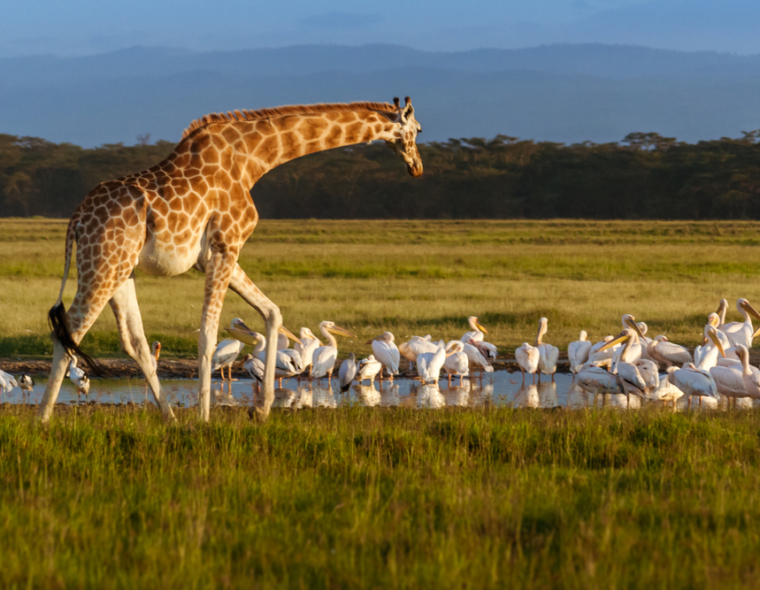
The park is also famous for its incredible population of bird species, over 450 to be exact, including thousands of flamingos that once covered the lake in a bright pink hue. While changing water levels have reduced the numbers of flamingos in recent years, they can still be spotted along the lake shores, alongside pelicans, herons, and fish eagles during your Kenya safari.
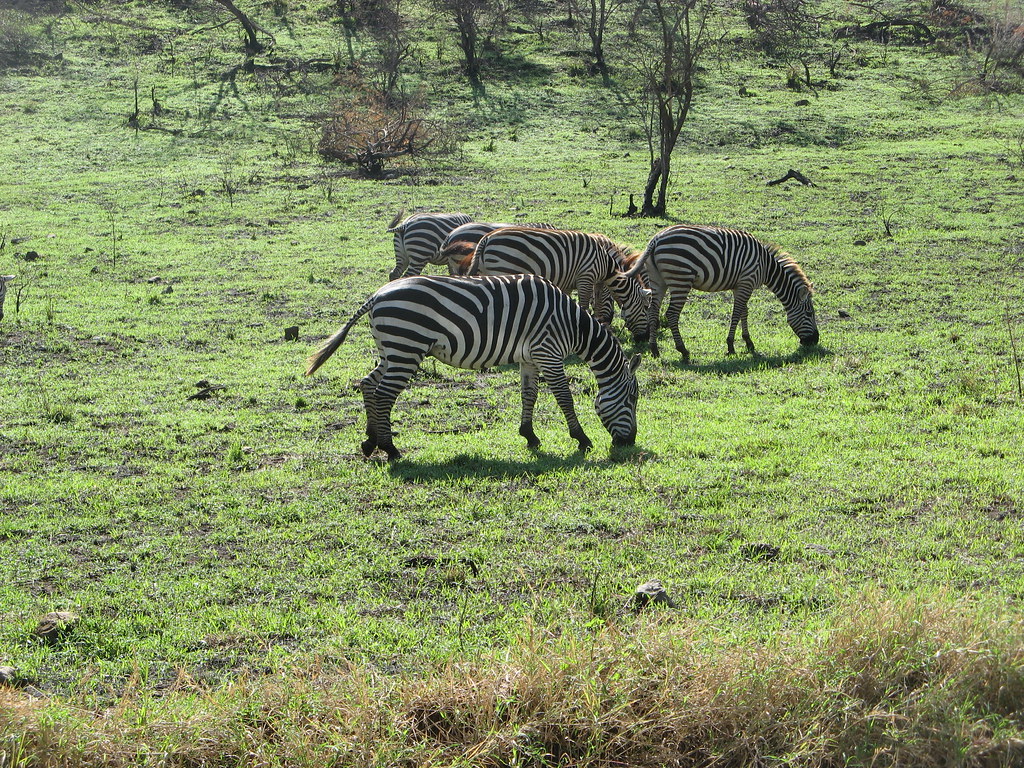
When it comes to other animals, you’ll encounter buffalos, zebras, and giraffes almost everywhere. One special treat for visitors is seeing the Rothschild giraffes, a unique subspecies with distinctive white patches on their legs.
Of course, there are predators to watch out for, including lions, who are known in some areas of the park for climbing trees (a rare behavior for lions). Leopards are also spotted here but are more elusive as they tend to stay hidden. Other carnivores in the park include hyenas and the occasional cheetah.
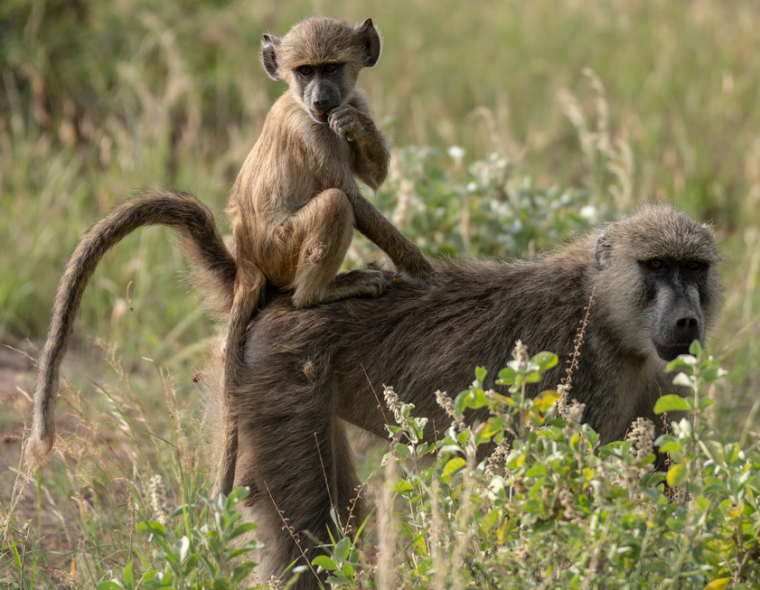
If you’re traveling with kids, they might particularly enjoy spotting the playful baboons and velvet monkeys that are commonly seen throughout the park.
Whether you’re focusing on large animals, birds, or smaller creatures, Lake Nakuru National Park offers a variety of sightings that will make your day Masai Mara Nakuru trip truly memorable.
What is the ideal itinerary for a 4-day Nakuru safari?
An ideal 4-day itinerary for a Nakuru safari is structured to ensure you experience the wildlife, landscapes, and cultural experiences the area has to offer while also giving you time to relax. Here’s a breakdown of what the trip could look like:
Day 1: Arrival in Nakuru and game drive
Start your day by traveling from Nairobi to Nakuru. It’s about a 2-3 hour drive (160 km/100 miles). Once you arrive, settle into your accommodation and have lunch. In the afternoon, head out for a short game drive in Lake Nakuru National Park, famous for its soda lake surrounded by wildlife like rhinos, lions, and flamingos. Enjoy the spectacular scenery and a lakeside sunset before heading back to your lodge.
Day 2: Full Day Game Drive in Lake Nakuru National Park
Dedicate this day to fully exploring the park. Start early, as early morning is the best time to spot wildlife. Look out for common sights like white and black rhinos, Rothschild giraffes, and large flocks of pink flamingos along the shores of Lake Nakuru. You might even spot predators like lions or leopards. Take breaks for meals and photography, and enjoy the changing landscapes, from dense forests to open savannahs.
Day 3: Explore Menengai Crater or Cultural Stops
On your third day, leave the park and explore other attractions around Nakuru. Visit Menengai Crater, a massive dormant volcanic crater with incredible views, hiking opportunities, and legends tied to its history. Alternatively, you could visit cultural sites like the Hyrax Hill Prehistoric Site, which offers insights into the region’s early human settlements. This day balances wildlife with culture and history.
Day 4: Final game drive and departure
Before leaving Nakuru, take one last early morning game drive or a nature walk along the lake to soak up the natural beauty of the area. Those interested in birdwatching could spend this morning identifying different bird species in the park. Afterward, begin your journey back to Nairobi.
This itinerary gives you a mix of wildlife, cultural exploration, and leisure, ensuring an unforgettable safari experience.
Are there any cultural or historical landmarks to visit in Nakuru?
Yes, Nakuru has several cultural and historical landmarks worth visiting in addition to its incredible wildlife. These sites add depth to your experience by showcasing the region’s heritage, history, and geological wonders. Here are some key ones:
1. Hyrax Hill Prehistoric Site
This is one of the most prominent historical landmarks in Nakuru. It’s an important archaeological site where remains of early human settlements, dating back thousands of years, have been discovered. You’ll find ancient tools, pottery, and burial sites, offering a glimpse into the lives of people who lived here long ago. There’s also a small museum on-site with engaging exhibits about the region’s history.
2. Lord Egerton Castle
Located a short drive outside Nakuru, this grand castle tells the fascinating story of Lord Egerton and his rather infamous personal life. The castle, built in the early 20th century, consists of elaborate rooms and architecture. It’s interesting to walk through the estate while learning about the peculiar tales tied to its construction.
3. Menengai Crater
While technically a natural landmark, Menengai Crater holds cultural significance for locals and is surrounded by myths and stories. The crater is one of the largest dormant volcanoes in the world. Some believe it is haunted by the spirits of warriors who battled in the area. You can visit the top for breathtaking views, go hiking, or even hear locals share some of the legends.
4. Local Markets and Communities
Visiting Nakuru town provides an excellent opportunity to explore local markets like the Wakulima Market. You can engage with the people, learn about their way of life, and sample local foods or crafts. Many safari tours also offer optional visits to nearby Maasai villages, where you can learn about their traditions, songs, and dances.
Adding these cultural and historical aspects to your trip complements the safari experience and offers a richer appreciation of Nakuru’s significance.
What types of accommodations are available during the safari (e.g., lodges, tented camps)?
During a Nakuru safari, a variety of accommodations cater to different preferences and budgets. Whether you’re looking for luxury, mid-range, or budget stays, there’s something for everyone. Here’s a breakdown of the main options:
1. Safari Lodges Lodges are permanent structures often located inside or near the national park. They offer comfortable rooms with en-suite bathrooms, restaurants, and sometimes luxury amenities like swimming pools. Examples of famous lodges in the area include Lake Nakuru Lodge and Sarova Lion Hill Game Lodge. These are ideal for those who want comfortable, hotel-like facilities while staying close to nature.
2. Tented Camps Tented camps provide a unique blend of adventure and comfort, offering a “glamping” experience. These are not your traditional camping tents but large, often luxurious tents built on raised platforms with proper beds, bathrooms, and other amenities. Famous examples include The Cliff and Flamingo Hill Camp. Tented camps immerse you in nature while still being safe and comfortable.
3. Budget Campsites For those traveling on a budget, there are basic campsites near the park where you can pitch a tent. These are more minimal, with shared facilities like toilets and showers. It’s a great option for adventure lovers and backpackers who don’t mind roughing it a bit.
4. Homestays and Guesthouses If you’re looking for affordable accommodations outside the park, consider guesthouses or homestays in Nakuru town. These are simple yet comfortable and often offer a chance to interact with locals. They may not have the panoramic views of the park, but they provide a cultural connection.
5. Luxury Resorts If you want to splurge, there are high-end resorts and boutique hotels that offer private cottages, spas, and personalized services. These include places like Elementaita Serena Camp, which is located near Lake Elementaita, just a short distance from Lake Nakuru.
Each type of accommodation has its charm, so consider your budget, desired level of comfort, and how close you want to be to nature when choosing where to stay.
What is the approximate cost of a 4-day Nakuru safari, and what does it include?
The cost of a 4-day safari trip in Nakuru can vary greatly depending on several factors, including the type of accommodation you choose, the mode of transportation, the season you’re traveling in, and whether you hire a guide or opt for a self-drive adventure. On average, you might spend $500 to $1,500 per person for a modest budget safari. For those considering a luxury Kenya safari at upscale lodges, the cost can escalate to $2,500 to $5,000 per person or more.
What’s Included in the Cost?
Typically, the cost of a safari trip includes several key things.
- Accommodation – Depending on your budget, this can range from basic campsites to luxury lodges.
- Park Entry Fees – Lake Nakuru National Park charges around $60 per adult per day for park access (as of recent data).
- Meals – Most packages are fully inclusive, meaning all meals are covered during your stay.
- Game Drives – The cost usually includes daily game drives with a guide in a 4×4 safari Jeep.
- Transportation – If you book a guided safari, transport to and from Nakuru (often from Nairobi or another city) is usually part of the price.
- Guide Services – A knowledgeable guide can vastly enhance your experience by pointing out animals, explaining behaviors, and helping you spot wildlife like rhinos, flamingos, or lions.
- Other Services – This might include drinking water, airport pickup, and drop-offs.
What’s Not Included?
Some things are often excluded, so it’s important to ask your tour operator about extras. Excluded costs might include:
- Tips for guides, drivers, or lodge staff (usually 10–15%).
- Alcoholic beverages or extra snacks.
- Travel insurance.
- Souvenirs and personal expenses.
As an example, a “budget” experience might cost $500–$700, include tent camping or an economy lodge, and use a minivan for game drives. In contrast, a luxury safari at $3,000 might involve chauffeur-driven transport in a private Jeep, a stay at an upscale lodge overlooking Lake Nakuru, and gourmet meals. Both are great, the choice depends on your budget and preferences.
What should I pack for a 4-day safari in Nakuru?
Packing for a day Masai Mara Nakuru safari is all about balancing comfort, preparedness, and practicality. The weather in Nakuru is generally mild but can vary depending on the time of year. Here’s a clear breakdown of what you should pack.
Key Packing Items
- Clothing:
- Neutral-Colored Clothes: Earth tones like khaki, beige, or olive green work best since they blend into the environment and won’t attract insects.
- Lightweight Layers: Mornings and evenings can be chilly, especially during game drives, but afternoons can get warm. Pack a lightweight jacket, a fleece, and long-sleeve shirts for layering.
- Sturdy Shoes: Closed-toe hiking shoes or comfortable walking boots are great for short walks, while casual sneakers work well for most of the time.
- Hat and Sunglasses: A wide-brimmed hat and UV-protective sunglasses will shield you from the strong Kenyan sun.
- Raincoat or Poncho: If you’re traveling during the rainy season (March–May or October–December), this is essential.
- Essentials:
- Bug Spray or Mosquito Repellent: To protect against insect bites, especially in the evening.
- Sunscreen: You’ll be outdoors a lot, and the sun can be strong even when it’s cloudy.
- Binoculars: Wildlife often stays at a distance, so binoculars will enhance your viewing experience.
- Camera: Capture all those amazing safari moments! Bring extra batteries and memory cards too.
- Personal Items:
- Prescriptions and Medications: Always pack essentials like motion sickness pills, pain relievers, or allergy medicine.
- Reusable Water Bottle: Staying hydrated is super important. Many lodges provide clean drinking water to refill your bottle.
- Snacks: Granola bars or trail mix can be helpful on long game drives.
Example Packing Scenario
Imagine this: You’re in a Jeep at dawn and it’s chilly, so you’ve got on a fleece jacket and scarf. By mid-morning, the sun’s warm and you’ve stripped down to your T-shirt. Later, you’re sipping water from your reusable bottle while using binoculars to spot a rhino grazing near the lake. Everything you packed just worked perfectly for these shifting conditions.
Travel light, but make sure you prioritize comfort and functionality. Overpacking can make traveling more stressful, so focus on what you’ll actually need.
Are guided safaris available, or can travelers opt for self-drive tours?
Yes, travelers in Nakuru can choose between guided safaris and self-drive tours, each offering unique advantages for a perfect safari adventure.
Guided Safaris
Guided safaris are the most popular and hassle-free option. You’ll travel with an experienced guide who has extensive knowledge about the park, its wildlife, and the best spots to visit.
Why Choose a Guided Safari?
- Expert Knowledge: Guides have a trained eye for spotting wildlife, which can make your experience far more rewarding. For instance, they’ll notice a lion lounging under a tree that you might miss entirely!
- Convenience: Everything is organized for you by the safari company, including park permits, game drives, and transportation to/from Nakuru.
- In-depth Experience: Guides provide educational insights about the animals, their behaviors, and the park’s ecosystem.
Example:
In a guided safari, you could be riding in a customized 4×4 Jeep with a pop-up roof designed for wildlife viewing. Your driver might stop and explain why flamingos flock to Lake Nakuru or point out a leopard camouflaged on a tree branch. Additionally, you can just relax and take in the scenery without worrying about navigation or safety.
Self-Drive Safaris
If you’re adventurous and prefer independence, you can rent a 4×4 car for a day Masai Mara Nakuru safari and explore Lake Nakuru National Park at your own pace.
Why Choose a Self-Drive Safari?
- Flexibility: You can create your itinerary, spending extra time at spots you love or leaving early if an area feels too crowded.
- Budget-Friendly: It’s typically cheaper since you’re not paying for a driver/guide or organized tours (though you will still need to pay park entry fees).
- Adventure: For some, navigating the park by themselves enhances the thrill of the trip.
Downsides of Self-Drive:
- Navigation can be tricky if you’re unfamiliar with the terrain.
- You’ll need to rely on maps or mobile apps (and some places may have limited connectivity).
- Without an expert, you might miss out on spotting certain animals or understanding animal behavior.
Final Thoughts:
If it’s your first time going on a safari, a guided tour is highly recommended because it ensures a stress-free, educational experience. However, for experienced travelers or repeat visitors, self-driving provides a great sense of freedom.
Whether you choose guided or self-drive, the important thing is to enjoy the beauty and magic of Nakuru at your own pace!
What safety precautions should be taken during a safari in Nakuru?
When going on a safari in Nakuru, safety should always be a priority because you’ll be in a natural environment with wild animals. To keep safe and have an enjoyable time, here are important precautions:
First, always follow the instructions of your safari guide. Safari guides are highly experienced and familiar with animal behavior, the park’s layout, and potential dangers. If they tell you to stay in the vehicle or keep quiet, listen to them. For example, during animal sightings, getting out of the car can provoke animals like lions or rhinos because they may feel threatened.
Next, never feed the animals. Feeding wildlife might seem harmless or fun, but it teaches them to associate humans with food. This can create dangerous situations for future visitors, as animals may become aggressive. For instance, baboons or monkeys are known to snatch food aggressively if they think you have something to eat. Keep food hidden and store it properly.
If you’re on a walking safari or hiking in designated areas, stay with your group and keep an eye on your surroundings. Wild animals can appear suddenly, so wandering off alone can be very dangerous. Always carry basic survival items like water, sunscreen, and a hat in case you’re outdoors for a long time.
You should also dress appropriately. Neutral-colored clothes like khaki, green, or brown are best because they help you blend into the environment and avoid attracting insects. Bright colors might also trigger unwanted attention from certain animals.
Lastly, don’t forget to stay safe from non-animal risks too. Wear insect repellent to avoid mosquito bites since Nakuru can be a malaria-prone area. Drink only bottled or purified water to avoid waterborne diseases, and carry a basic first aid kit just in case. By being prepared and mindful of these precautions, your safari can be a magical and safe adventure!
How accessible is Nakuru from major cities like Nairobi, and what transportation options are available?
Nakuru is very accessible from Nairobi, Kenya’s capital, and there are multiple transportation options depending on your budget and travel style.
By road, Nakuru is about 160 kilometers (100 miles) from Nairobi, and the drive typically takes about 2 to 3 hours via the Nairobi-Nakuru highway. Driving gives you freedom and flexibility because you can stop at scenic spots like the Great Rift Valley viewpoint along the way to take pictures or stretch. If you don’t have your own car, hiring a private driver or tour operator for your safari is a fantastic option. Most safari companies include transportation in their packages, which makes planning much easier.
If you’re on a tighter budget, you can use public transportation. Local buses (known as matatus) and shuttles run frequently between Nairobi and Nakuru. These options are affordable but can be less comfortable compared to private transport, especially if they’re crowded. For travelers who enjoy road trips, self-driving is also an option. However, keep in mind that Kenyan roads, while generally in good condition, may feature stretches with potholes or heavy traffic near Nairobi.
Alternatively, you can take a train from Nairobi to Nakuru. Kenya Railways offers scenic trips on its intercity train service, with affordable fares for both economy and first-class sections. Although the train is slower than a car (around 4-6 hours of travel), the views of the countryside can be breathtaking.
For high-end travelers, flying is another possibility. Domestic flights like those offered by Safarilink or other charter services can take you closer to Nakuru, landing at small airports like Naivasha or Wilson Airport. However, flights aren’t always necessary given the reasonable road travel time.
No matter what mode of transport you choose, traveling to Nakuru is straightforward and opens the door to an unforgettable safari experience.
Are there any additional activities, such as birdwatching or hiking, that can be included in the safari?
Yes, in addition to game drives, there are exciting activities like birdwatching, hiking, and more that can make your Nakuru safari even better.
Birdwatching is a must in Lake Nakuru National Park, as the park is a haven for over 400 bird species. Most famously, thousands of flamingos gather along the shores of Lake Nakuru, creating a spectacular pink-dominated view. You’ll also likely spot pelicans, African fish eagles, herons, and kingfishers. Bring binoculars and a good camera to make the most of these sightings! Birdwatchers love visiting between November and April since migratory birds from Europe and Asia are present during this period.
If you enjoy being active, hiking is an excellent addition to your safari. Although most safari activities are vehicle-based, nearby places in Nakuru offer hiking opportunities. For example, the Menengai Crater, one of the largest volcanic craters in Africa, is a short distance from the park. Hiking here offers stunning panoramic views of the landscape, including dotted farms and the distant lake. Another option is taking a guided walking tour to the nearby Makalia Falls inside the park, which is a serene waterfall surrounded by lush greenery.
For those interested in culture, you can visit local villages or markets to experience the daily life of the communities around Nakuru. You could also include a stop at the Hyrax Hill Prehistoric Site, a short distance from Nakuru town. This site allows you to learn about ancient settlements and enjoy views of the Great Rift Valley.
Finally, if you’re traveling with kids or looking for a laid-back activity, a boat ride in nearby Lake Naivasha (not in the park but close by) is a relaxing way to spot more animals like hippos and additional bird species.
These extra activities ensure there’s something for everyone to enjoy during their safari!
Lake Nakuru National Park is one of the most accessible wildlife areas for those on Kenya safaris, especially if you’re coming from Nairobi or passing through Naivasha, Masai Mara, or Amboseli. It’s a great option for a short day trip, a relaxed honeymoon, or a full family safari. The park is about three hours by road from Nairobi, and you can also fly in via the Nakuru airport. Many visitors prefer car hire to explore at their own pace. Lake Nakuru is famous for its seasonal display of flamingos, making it a favorite for birding safari lovers and those into photography.
Inside the park, you can stop at Baboon Cliff for open views of the lake and rolling hills beyond. Wildlife includes rhinos, zebras, giraffes, and baboons, with lucky visitors sometimes spotting tree climbing lions. The weather is usually mild and makes camping or self-drive tours very comfortable throughout the year. For those with more time, a visit to Menengai Crater adds a scenic contrast with its forested paths and crater views. If you’re heading back through Naivasha, a boat ride on the lake offers a relaxing way to wind down your safari with views of hippos and waterbirds.