What is the Menengai Crater, and where is it located?
The Menengai Crater is a massive volcanic crater located in Kenya, East Africa. Specifically, it is situated in the Great Rift Valley, a significant geological feature that stretches across Eastern Africa. This stunning caldera lies near the town of Nakuru, approximately 180 kilometers (or about 112 miles) northwest of Nairobi, the capital city of Kenya. The Menengai Crater is renowned for its beautiful Menengai crater, attracting both tourists and scientists alike.
To put it simply, a crater is a big, bowl-shaped hole in the ground formed from volcanic activity. Menengai Crater is one of the largest and most well-preserved calderas in the world. A caldera is created when a massive volcano erupts powerfully, causing the empty magma chamber to collapse, resulting in a large sunken area known as the caldera floor.
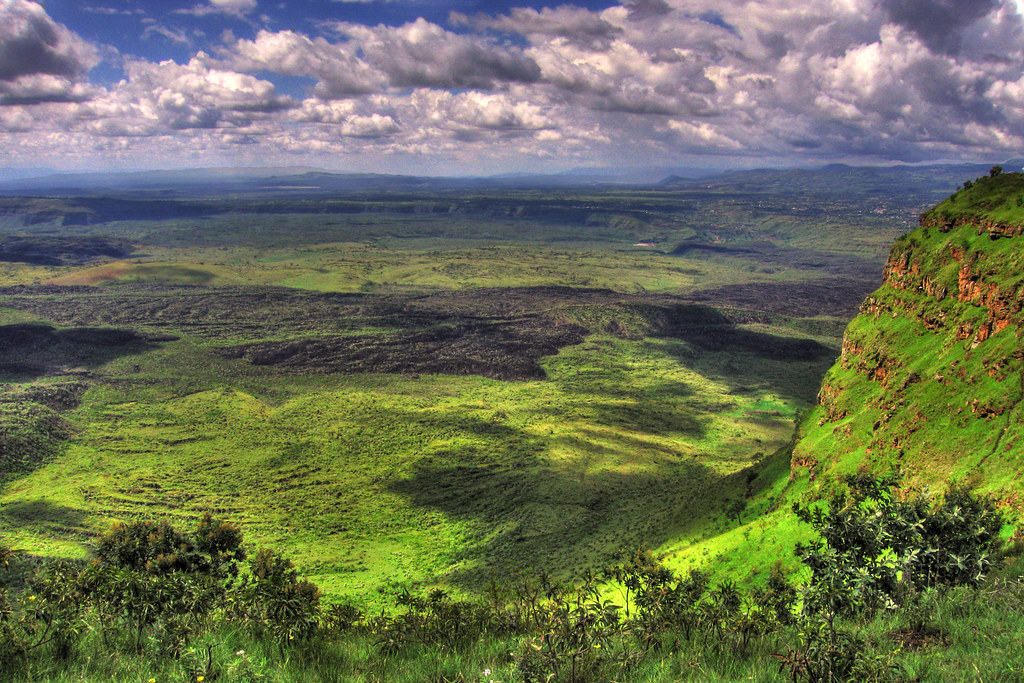
This crater is a popular destination for visitors due to its natural beauty, stunning views, and geological significance. It is surrounded by rugged cliffs and lush forests. Tourists can stand at the top of the crater and gaze at the vast land below, which includes Lake Nakuru and even Mount Longonot on a clear day, making it one of the top tourist attractions in the region.
Menengai Crater is not only a natural wonder but also holds cultural and historical value for the local Maasai communities. Beyond its breathtaking views, it is considered sacred by some local groups, enhancing its significance as more than just a geological site.
In summary, Menengai Crater is a remarkable volcanic feature in Kenya that is beautiful, historically significant, and geologically fascinating, offering both spiritual enrichment and an opportunity for exploration.
How was the Menengai Crater formed?
The Menengai Crater, located in the stunning Kenya Rift Valley, was formed as a result of volcanic activity occurring thousands of years ago. It’s important to know that Menengai is a shield volcano, which means it isn’t as steep as those dramatic cone-shaped volcanoes you might imagine. Instead, shield volcanoes are broader and made up of layers of caldera lava flows that erupted over time.
The formation of the Menengai Crater specifically happened because of a massive eruption. When a volcano erupts, magma (which is molten rock from beneath the Earth’s crust) is ejected onto the surface as lava. After a huge eruption, sometimes the magma chamber – that’s the underground “tank” where the magma comes from – is left empty. Without magma to support it, the ground above this hollow space collapses inwards. This process creates a caldera, which is exactly what happened in Menengai.
Scientists believe that the eruptions forming the Menengai Crater happened around 200,000 years ago, with the most significant collapses occurring about 8,000 years ago. The eruptions were powerful enough to blast out massive amounts of lava and ash, which spread over a large area in the region, including the adjacent farmland.
Today, Menengai still shows signs of its volcanic past. There are geothermal hot spots beneath the crater, indicating that there’s still heat and activity going on deep underground. However, it hasn’t erupted in recent history, so there’s no need to worry about lava flowing anytime soon.
In simple terms, Menengai Crater was formed through a massive volcanic eruption that left behind an empty magma chamber, causing the ground above it to collapse and form the huge, bowl-shaped caldera we see today, a true testament to the geological wonders of the Kenya Rift Valley.
What is the size and depth of the Menengai Crater?
The Menengai Crater is enormous! It’s one of the largest volcanic craters in Kenya’s Rift Valley and even ranks as one of the biggest intact calderas in the world. The crater is approximately 12 kilometers (7.5 miles) wide from edge to edge. That’s massive enough that you could fit multiple cities inside it!
In terms of depth, the floor of the crater lies about 500 meters (1,640 feet) below the rim. Imagine standing on the edge and looking down – it’s as if you’re staring down at something that’s 1.5 times as deep as the length of a skyscraper like the Empire State Building.
To visualize its size better, let’s compare it to something familiar. A typical soccer field is about 100 meters long. Now imagine 5 soccer fields stacked on top of each other – that’s how deep the crater is. And in terms of width, you could drive across the top of the crater’s rim for 12 kilometers, which would take you about 20 minutes in a car going at 60 kilometers (or 37 miles) per hour!
This large size makes the Menengai Crater a remarkable sight. It’s not just big; it’s also super well-preserved, meaning its shape hasn’t been eroded or changed much over thousands of years. You can still clearly see the steep walls of the caldera and the flat caldera floor below.
Thus, the Menengai Crater is not just significant for its geological history, but also for its sheer size and depth, which amazes anyone who visits or studies it. Its impressive caldera lava flows and geological features attract many visitors and researchers alike.
Are there any legends, myths, or historical significance associated with the crater?
Menengai Crater, located in the Kenya Rift Valley, is steeped in fascinating legends and myths, particularly from the Kikuyu people who live nearby. One of the most well-known stories involves a historical dispute between two Kikuyu clans. According to oral tradition, two rival clans engaged in a fierce battle on or near the crater’s rim. The conflict was so intense that it is said the defeated warriors were thrown into the crater, adding an eerie and somber element to its history. Even today, locals sometimes refer to the crater as a spiritually significant place, with some believing it is haunted by the spirits of the defeated soldiers.
The crater’s name, “Menengai,” is derived from the Kikuyu word “Menengai” or “Mene na gai,” which loosely translates to “the place of dead gods” or “a place where spirits reside.” Many locals believe spiritual entities inhabit the area. Some visitors have reported mysterious experiences, such as feeling a strong presence, getting disoriented, or witnessing what they describe as ghostly apparitions. These beliefs make the crater an object of both awe and caution for many people, particularly those drawn to the volcano caldera and its rich myths.
Religiously, Menengai Crater also has its own significance. Certain Christian groups in Kenya view it as a holy site for retreats, prayer, and fasting, believing that the solitude and natural beauty found on the caldera floor bring them closer to God. Pilgrims are often seen hiking into the crater to meditate and pray, seeking spiritual enrichment amidst the breathtaking scenery.
These myths and legends, combined with the mysterious and dramatic landscape, add a sense of wonder and mysticism to the area. Whether you believe in the legends or not, they form an important part of the narrative locals pass down about the crater, connecting them to their history and culture.
What type of volcanic activity has occurred at the Menengai Crater?
The Menengai Crater is the result of volcanic activity, specifically a massive eruption that led to the formation of a caldera. A caldera is a large, bowl-shaped volcanic depression that forms after a volcano’s magma chamber empties during an eruption and collapses in on itself. Menengai’s formation dates back about 200,000 years ago and is part of the volcanic system within the Kenya Rift Valley of East Africa. The volcano is classified as a “shield volcano,” which means that the eruptions it experienced were relatively calm and involved molten lava flowing out to form dome-like structures rather than violent explosive eruptions.
Over the years, Menengai Crater has experienced several eruptions, mainly characterized by caldera lava flows. The last known eruption occurred roughly 8,000 years ago. The lava flows from Menengai cover large areas around the crater and have contributed to the surrounding landscape.
Interestingly, volcanic activity beneath the surface continues to this day in the form of geothermal energy. This means that heat from molten rock is close enough to the Earth’s surface to produce steam and hot water, which can be harnessed for energy production. While this doesn’t mean lava is spewing out or the volcano is actively erupting, it indicates that Menengai is still geologically alive. This geothermal activity is key to Kenya’s energy industry.
To summarize, the volcanic activity at Menengai Crater involved massive lava flows and the creation of a caldera, with the most recent eruption thousands of years ago. Its current activity is more subtle, with geothermal heat bubbling under the surface rather than visible eruptions.
Is Menengai Crater considered an active or dormant volcanic site?
Menengai Crater, located in the Kenya Rift Valley, is considered a dormant volcanic site. A dormant volcano is one that has not erupted in a long time but still has the potential to erupt in the future because its magma chamber is not completely inactive. Menengai last erupted approximately 8,000 years ago, which is relatively recent in geological terms. Scientists consider it dormant rather than extinct because there is still significant volcanic activity taking place beneath the surface.
The presence of geothermal heat beneath the crater is a key indicator that Menengai still has an active magma system. While this doesn’t mean eruptions are imminent, it does suggest that the volcano is far from completely “dead.” The high heat and pressure underground have made Menengai a prime location for geothermal energy production, with many power plants in the area tapping into this resource.
Dormant volcanoes like Menengai are carefully monitored by geologists and volcanologists because they can potentially reactivate and erupt with suitable changes in pressure or other conditions. While such an event is unlikely anytime soon, scientists remain vigilant.
For tourists and locals, this dormancy means the crater is safe to explore, with little risk of any sudden volcanic activity. It’s a beautiful, serene site for hiking and sightseeing, but its dormant status reminds us of the immense forces that originally created this natural wonder. So while Menengai Crater currently slumbers, it maintains its position as a dormant but potentially active part of the Earth’s dynamic system.
What is the geological composition of the crater?
The geological composition of the Menengai Crater primarily reflects its volcanic origin. Located in the East African Rift Valley in Kenya, Menengai Crater is a large caldera formed by the collapse of land after a volcanic eruption. Its structure reveals layers of volcanic materials, such as solidified lava, ash, pumice, and other igneous rocks, that were created during its periods of eruption, showcasing the dynamic nature of active volcanoes in this region.
The outer walls of the crater mainly consist of basalt and trachyte rocks, typical of volcanic regions. Basalt is a dark, dense rock that forms when lava cools quickly, while trachyte is lighter in both color and density and contains more silica compared to basalt. These rocks were formed by the cooling of caldera lava flows that erupted from the volcano millions of years ago, contributing to its unique geological features.
Inside the caldera, you’ll also find deposits of volcanic ash and pumice. Ash, the fine powdery material ejected during volcanic eruptions, and pumice, a light, porous rock formed when gas escapes rapidly from lava, are spread across the landscape. This nutrient-rich soil supports local vegetation, even though the area still has a rocky and rugged terrain, which is characteristic of the rift valley floor.
Overall, Menengai Crater’s composition shows a history of explosive and effusive volcanic activities that created its shape. If you visit the site, you can see these geological materials firsthand, which give hints about the powerful forces that formed this dramatic landscape, making it one of the top tourist attractions in the region.
What kind of flora and fauna can be found in and around the crater?
The Menengai Crater, a stunning example of a style caldera, is home to a variety of plants and animals, thanks to its unique location and rich volcanic soil. The flora and fauna in the area are well-adapted to the environment, and the site features a mix of natural vegetation and wildlife that thrives both inside the crater and on its edges. This beautiful Menengai crater is surrounded by dry woodland and savanna-like vegetation, where acacia trees, shrubs, and grasses common in East African landscapes flourish.
Inside the crater and on its slopes, denser vegetation thrives due to better soil conditions and rainwater that collects in certain spots. The nutrient-rich volcanic soil supports plant growth, making the crater an important habitat for numerous plant species, even in an otherwise dry environment. Some areas of the crater contain medicinal plants used by local communities, showcasing the connection between the land and the Maasai clans that inhabit the region.
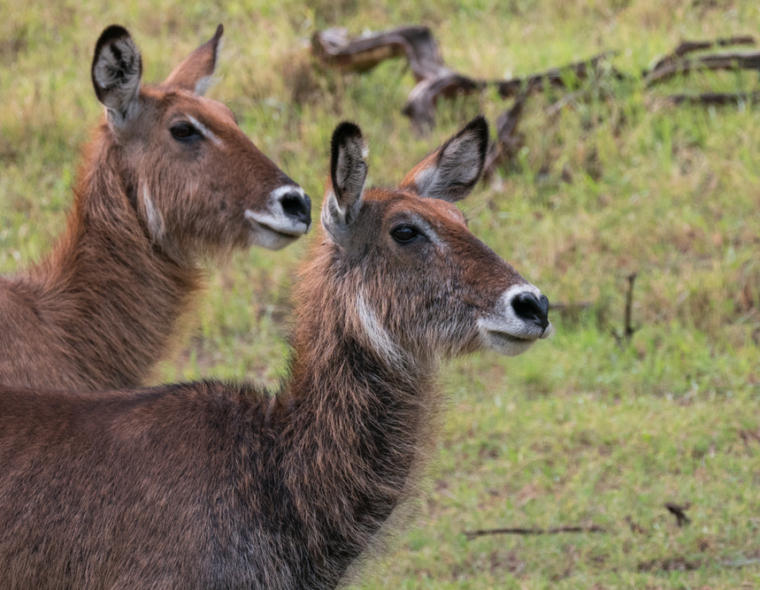
When it comes to fauna, you’ll find animals like monkeys, small antelopes, and a variety of birds. Birds are especially notable around Menengai; species like eagles, hawks, and other birds of prey use the crater’s cliffs and trees as nesting sites. Reptiles such as lizards can also be seen, basking on the rocky terrain. Larger animals are not as common within the crater, but surrounding areas may support wildlife from other parts of Kenya.
Although the iconic larger animals associated with Kenya, like lions or elephants, are not part of Menengai’s habitat, the crater still offers an important haven for smaller wildlife. The mix of living creatures reflects the crater’s role as a part of the larger East African ecosystem, contributing to the rich tapestry of life found in the Kenya Rift Valley.
Are there hiking trails or tourist activities in the Menengai Crater area?
Yes, Menengai Crater has hiking trails and offers several tourist activities that attract nature lovers, adventure-seekers, and even spiritual visitors. The crater is a popular hiking destination, thanks to its dramatic landscapes and wide views of the Kenya Rift Valley. The trails vary in difficulty, so both casual hikers and more experienced adventurers can find options that suit their preference.
One common hiking route involves trekking around the rim of the crater. The rim trail is stunning, offering expansive views of the surrounding landscape, including Lake Nakuru and sometimes even Lake Bogoria on clear days. Walking the rim gives you an up-close experience with the crater’s rugged edges while providing excellent opportunities for photography. For a more challenging adventure, some visitors hike down into the caldera floor to explore the crater floor. This allows for a closer look at the volcanic features and vegetation inside the crater.
Tourists can also enjoy activities like bird-watching and picnicking in designated areas. The cliffs and trees around the crater make it an ideal spot for spotting various bird species, including birds of prey.
For those interested in spirituality, Menengai Crater has a reputation for being a mystical site. Some local communities and religious groups view the crater as sacred and frequently visit for prayer and meditation retreats. Guides from the area can share stories about these spiritual traditions as well as local myths tied to the caldera lava flows.
To make the experience accessible, guides and tour operators in the nearby town of Nakuru often arrange trips to the crater, complete with information about its history, geology, and cultural significance. Whether you’re there for physical exercise, spiritual reflection, or just to enjoy nature, the Menengai Crater offers a memorable experience to all visitors.
What role does the Menengai Crater play in geothermal energy production?
The Menengai Crater plays a significant role in Kenya’s efforts to produce clean and renewable energy through geothermal power. This massive shield volcano is part of the East African Rift Valley, a tectonic plate boundary where molten rock (magma) comes close to the Earth’s surface. The crater is a geothermal hotspot because of its volcanic activity, making it an ideal site for geothermal energy production. Geothermal energy is created by tapping into the Earth’s internal heat, often found in areas like Menengai.
Currently, Menengai hosts a geothermal power project that is one of the largest in Kenya. The Geothermal Development Company (GDC), a Kenyan government initiative, has been drilling wells in the area to extract hot water and steam from deep beneath the caldera floor. This steam is then used to turn turbines, generating electricity. It’s estimated that the geothermal potential at Menengai could produce over 1,600 megawatts of electricity, enough to power millions of homes.
Not only is geothermal energy sustainable, but it is also a cleaner alternative to fossil fuels. By relying on geothermal power from places like Menengai, Kenya is cutting greenhouse gas emissions while addressing the growing energy needs of its population. This helps the country reduce reliance on less eco-friendly sources like coal or oil.
An example of Menengai’s importance is its contribution to Kenya becoming a leader in renewable energy in Africa. With geothermal plants in areas like Menengai and others (e.g., Olkaria), Kenya now generates around 40% of its electricity through geothermal energy. This success has drawn attention from other nations and organizations wanting to learn from Kenya’s model.
In summary, the Menengai Crater is a key player in Kenya’s green energy revolution, significantly contributing to an affordable, sustainable, and eco-friendly energy future.
How do local communities interact with or benefit from the Menengai Crater?
Local communities around the Menengai Crater interact with and benefit from it in several meaningful ways, ranging from economic opportunities to cultural and religious activities.
Economically, the Menengai geothermal project has created job opportunities for people living in the surrounding areas. Many locals are employed in drilling, maintaining, and operating the geothermal facilities. In addition, businesses like shops, guesthouses, and restaurants have sprung up around the crater to serve workers and tourists. The electricity generated at Menengai also provides stable and affordable power to nearby towns, improving quality of life and enabling small businesses to grow.
Culturally, the Menengai Crater holds a significant place in the lives of local communities. Some view the crater as sacred. For example, religious groups and individuals go to Menengai for prayer and fasting retreats. It’s believed by some that the crater has spiritual healing properties, and people seeking divine help often visit the site for meditation and reflection.
Tourism is another way the crater benefits locals. Visitors are drawn by the dramatic scenery, hiking opportunities, and stories about the area’s volcanic and cultural history. Local guides often lead tours, sharing their knowledge of the site for a fee, which helps them earn a living. Artisans also sell handcrafts, souvenirs, and traditional wares to tourists.
However, there are challenges. The large-scale geothermal project may lead to land disputes or concerns over environmental changes. Despite this, measures are being taken to ensure that communities receive compensation for land used and benefit from the development.
In short, the Menengai Crater offers both spiritual fulfillment and economic benefits, helping local communities thrive while tying them to Kenya’s clean energy ambitions.
What are some nearby attractions or landmarks around Menengai Crater?
The Menengai Crater, located in Nakuru County, Kenya, serves as a gateway to the stunning landscapes of the Kenya Rift Valley. Visitors can explore the beautiful Menengai crater and its surrounding attractions, making it an ideal base for discovering the unique vegetation and wildlife that characterize this region’s diverse ecosystems.
- Lake Nakuru National Park: Just a short distance from the crater, this park is famous for its stunning pink flamingos that flock to Lake Nakuru’s shores. The park also hosts a variety of wildlife, including rhinos, lions, leopards, and baboons, making it a must-see destination for safari lovers.
- Lake Naivasha: Another beautiful freshwater lake in the Rift Valley, Lake Naivasha is famous for its serene waters, abundant birdlife, and opportunities for boating. Visitors often see hippos lounging in the water and fish eagles hunting.
- Hell’s Gate National Park: Located southeast of Nakuru, this park offers incredible landscapes, including cliffs, canyons, and geothermal features like steaming vents. It’s also one of the few parks where visitors can walk or cycle, offering a unique way to experience the wildlife and scenery.
- Hyrax Hill Prehistoric Site: Close to Nakuru Town, Hyrax Hill is an important archaeological site that provides insight into the history of early human settlements in the Rift Valley. Visitors can see ancient tools, artifacts, and even burial sites while learning about Kenya’s rich prehistory.
- Thomson’s Falls: Situated a bit farther north, this stunning waterfall near Nyahururu is a popular stop for travelers. The 74-meter cascade and the surrounding scenery make it a great place for photography and picnics.
- Egerton Castle/Lord Egerton Castle: Located on the outskirts of Nakuru, this historic mansion offers insight into Kenya’s colonial past. It’s a great site to explore for history enthusiasts.
These nearby attractions make the Menengai Crater a perfect base for exploring the diverse landscapes, wildlife, and historical richness of Kenya’s Rift Valley.
Lake Nakuru National Park is a popular choice for travelers on Kenya safaris, especially those connecting from Nairobi to nearby destinations like Naivasha, Masai Mara, and Amboseli. Ideal for a relaxed family safari, romantic honeymoon, or a scenic day trip, the park is just three hours away from Nairobi by road, or a short flight via the Nakuru airport. With car hire options available in both Nairobi and Nakuru, reaching the park is convenient. The lake’s edge is often dotted with bright pink flamingos, making it a favorite spot for photography and an essential stop on any birding safari itinerary.
One of the park’s highlights is Baboon Cliff, a high point that offers wide, open views across the water and surrounding plains. Wildlife sightings include rhinos, giraffes, buffalo, and baboons, while reports of tree climbing lions, though rare, add an element of surprise. The weather remains mild throughout most of the year, allowing visitors to enjoy game drives, camping, and quiet stops at picnic sites. Those with extra time often explore Menengai Crater, a short drive from the park, offering scenic walks and volcanic views. Many also include a boat ride on Lake Naivasha, rounding out their safari with peaceful waterside wildlife viewing.