Where is Amboseli National Park located?
Amboseli National Park is located in Kenya, which is a country in East Africa. More specifically, it is situated in southern Kenya, near the border with Tanzania. It is easily recognizable due to its proximity to the famous Mount Kilimanjaro, which is actually in Tanzania but offers stunning views from Amboseli. The park is about 240 kilometers (around 150 miles) southeast of Nairobi, the capital city of Kenya.
Because of its location in southern Kenya, Amboseli is relatively easy to access by road or a short domestic flight from Nairobi. The park is in Kajiado County and covers an area of about 392 square kilometers (about 151 square miles), which makes it one of Kenya’s smaller national parks, but still packed with incredible scenery and wildlife.
A good way to think about its location is to imagine an open African savanna, dotted with acacia trees and natural watering holes, with the snow-capped peaks of Mount Kilimanjaro rising majestically in the distance. Amboseli is one of the most beautiful and popular parks in Africa because of this magical setting. It’s also a key area for conservation and serves as an important part of eco-tourism in Kenya.
To sum it up, Amboseli National Park’s location is in southern Kenya, near the Tanzanian border, with its iconic backdrop of Mount Kilimanjaro.
What is Amboseli National Park known for?
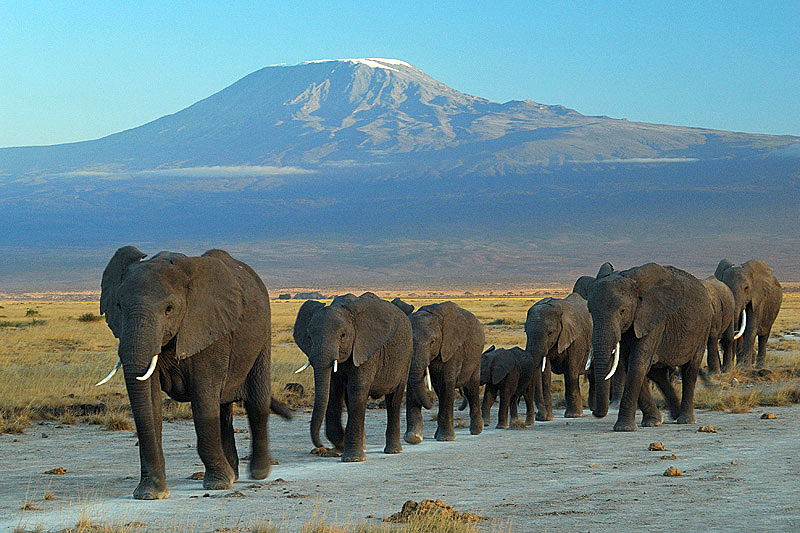
Amboseli National Park is famous for its incredible wildlife, especially its large herds of African elephants. In fact, it is often called the “Land of the Giants” because of the massive elephants that freely roam the park. These elephants are easily recognized by their large tusks and majestic presence, and Amboseli is one of the best places in the world to see them up close.
The park is also known for its breathtaking views of Mount Kilimanjaro, which provides a postcard-perfect backdrop for photographs. Mount Kilimanjaro, though located in neighboring Tanzania, towers over the landscape and creates a unique and iconic scene, especially during sunrise and sunset when the sky comes alive with color.
In addition to elephants, Amboseli has a wide variety of other animals including lions, cheetahs, zebras, giraffes, and wildebeests. The park is also home to over 400 species of birds, making it a paradise for birdwatchers. The wetlands and marshy areas within the park attract flamingos, herons, and pelicans, among other bird species.
Amboseli is also unique in that it is home to the local Maasai people, one of Kenya’s most well-known indigenous communities. Visitors often have the chance to learn about the Maasai culture and traditions, adding a rich cultural dimension to the experience.
In summary, Amboseli is known for its amazing elephants, stunning Mount Kilimanjaro views, diverse wildlife, rich birdlife, and Maasai cultural experiences.
What is the best time of year to visit Amboseli National Park?
The best time to visit Amboseli National Park is during the dry season, which runs from June to October and from December to February. During this time, the weather is generally sunny, and there is little to no rainfall, which makes it much easier to spot animals. The dry season forces animals to gather around the park’s water sources, like the swamps and watering holes, which makes them more predictable and easier to find.
If you visit during the dry season, you’ll often see herds of elephants cooling off in the marshes or zebras and giraffes wandering the open plains. The dry conditions also make the roads within the park easier to navigate, so game drives (safaris in vehicles) are usually smoother.
The wet season, which occurs from March to May and occasionally in November, comes with its own charm. While it’s harder to spot some animals due to the tall grass and thicker vegetation, this is the time when the park is lush and green, making the scenery absolutely stunning. Additionally, this is breeding season for many animals, so visitors might see baby animals, which is always a highlight. The wet season is also an excellent time for birdwatching, as many migratory bird species arrive in the park.
However, in the wet season, some roads may become muddy or harder to access. For ease of travel and maximizing your chances of seeing wildlife, the dry season is often considered the best time to visit.
So, to sum up, the best time to visit Amboseli depends on what you’re looking for: the dry season (June-October, December-February) is best for wildlife spotting and easy access, while the wet season (March-May, November) offers lush landscapes and birdwatching opportunities.
What types of wildlife can be seen in Amboseli National Park?
Amboseli National Park is famous for its incredible range of wildlife, especially its large and vibrant elephant population. You can see hundreds of African elephants, often wandering in herds, with Mount Kilimanjaro serving as a stunning backdrop. It is one of the best places in the world to observe elephants up close in their natural habitat, making it an especially thrilling experience for nature enthusiasts.
Apart from elephants, Amboseli is home to several other iconic African animals. Lions are relatively common here and can often be seen lounging in the shade or stalking their prey. Cheetahs, though harder to spot, also roam the park, using its open plains for hunting. You might also see hyenas scavenging for food and the occasional leopard hiding in trees.
Additionally, Amboseli hosts herbivores such as giraffes, zebras, buffalos, and wildebeests. Many antelope species call the area home, including impalas and gazelles. Avid birdwatchers will love Amboseli too, as it boasts over 400 bird species, including flamingos, pelicans, and martial eagles.
The park’s unique landscape, featuring swamps, open plains, and acacia woodlands, creates ideal conditions for this variety of animals. For example, hippos can be found cooling off in the swamps, and the lush vegetation attracts many grazers. This biodiversity makes a safari in Amboseli unforgettable, offering something fascinating at every turn.
Are there opportunities to see Mount Kilimanjaro during a safari in Amboseli?
Yes, the park is one of the most spectacular places to view Mount Kilimanjaro, Africa’s tallest mountain, even though Kilimanjaro itself is located just across the border in Tanzania. Amboseli National Park in Kenya offers an incredible view of Kilimanjaro’s snow-capped peaks rising dramatically in the background, creating a picture-perfect scene that attracts photographers and visitors from around the globe.
If you’re lucky, the best time to see Mount Kilimanjaro is usually early in the morning or late in the afternoon when the skies are clear. During these times, there are fewer clouds covering the summit, giving you a breathtaking view. For example, imagine watching a herd of elephants strolling across the plains with Kilimanjaro’s peak glowing in the sunrise light, it’s a once-in-a-lifetime moment!
However, weather conditions can affect visibility. During some months, the mountain might be shrouded in clouds, and it can take some patience to catch a clear view. But on a clear day, the sight of Kilimanjaro is nothing short of magical and is one of the main reasons people choose Amboseli for their safari.
What’s special is how the mountain pairs with wildlife. For instance, as you snap a photo of grazing zebras, Kilimanjaro looms in the backdrop, creating one of the most iconic safari images. If you love photography, this is an unbeatable opportunity to combine the beauty of African wildlife with incredible landscapes.
What are the accommodation options available near or within Amboseli National Park?
Amboseli National Park offers a variety of accommodation options to suit different preferences and budgets, ranging from luxurious lodges to budget-friendly campsites. Most of these options are either located inside the park itself or just outside its boundaries, making it easy to explore the park no matter where you’re staying.
If luxury is your priority, there are high-end safari lodges like Tawi Lodge and Ol Tukai Lodge, which offer comfortable rooms or cottages, gourmet meals, and activities like guided safaris or nature walks. These lodges often feature stunning views of wildlife and even Mount Kilimanjaro, so you can enjoy the scenery without leaving your accommodation. Many of them have swimming pools, spas, and other luxurious facilities, creating a pampering experience amidst the wilderness.
For a more mid-range option, tented camps like Kibo Safari Camp or Amboseli Sopa Lodge combine comfort and affordability. These camps provide permanent tents or rooms with private bathrooms and good food, while still giving you a chance to feel close to nature. Some of these camps also organize game drives for their guests.
Budget travelers have options too. There are public campsites in and around Amboseli where you can pitch your tent or rent a basic one. While these are more rustic and offer fewer amenities, they still provide a great way to immerse yourself in the wild. It’s best to be prepared for simpler living conditions if you choose this route.
No matter where you stay, the proximity to wildlife remains one of the highlights. It’s not uncommon to hear the calls of animals like zebras or lions from your camp or lodge. Whether you’re traveling in style, on a budget, or somewhere in between, Amboseli offers accommodations sure to make your visit memorable.
How can one get to Amboseli National Park?
Amboseli National Park, located in southern Kenya near the border with Tanzania, is relatively easy to get to. There are two main options: by road or by air.
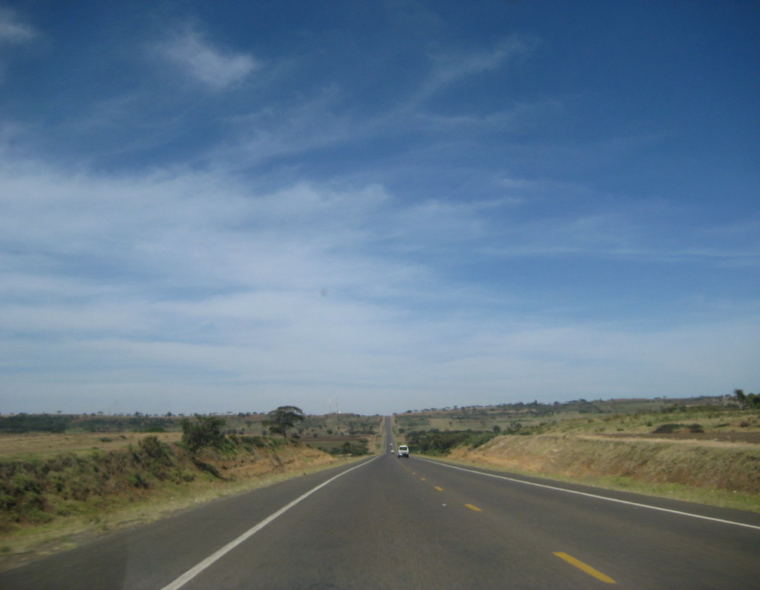
If you’re traveling by road, you can drive to Amboseli from Nairobi, Kenya’s capital city. The journey is around 240 kilometers (150 miles) and takes roughly 4-5 hours, depending on road conditions. The most common route is via Emali along the Nairobi-Mombasa Highway, then through Loitoktok. This drive gives you a glimpse of rural Kenya and beautiful landscapes, but keep in mind that some parts of the road can be bumpy and dusty, so a 4×4 vehicle is often recommended.
For faster travel, you can also fly into Amboseli. There are small domestic flights offered by local airlines, such as Air Kenya and Safarilink, that operate from Nairobi’s Wilson Airport to Amboseli’s airstrips. The flight takes about 30-40 minutes, making it a great option if you want to skip the long drive or have limited time for your safari.
Additionally, many safari tour operators include transportation to and from the park as part of their packages. They handle all the logistics, picking you up from your hotel or airport and driving or flying you directly to the park, which can make the trip more seamless and stress-free, especially for first-time visitors.
No matter how you get there, the journey to Amboseli is worth it for the breathtaking views of wildlife, wide-open savannahs, and the chance to see Mount Kilimanjaro in the background!
What safari activities are available in Amboseli National Park?
Amboseli National Park offers a variety of safari activities that highlight its incredible wildlife and iconic landscapes. Here are the most popular ones:
- Game Drives: The most common safari activity, game drives let you explore the park in a 4×4 vehicle with an experienced guide. Early morning and late afternoon drives are ideal, as animals are most active during these times. You can spot elephants, lions, cheetahs, zebras, giraffes, and even rare bird species. During the dry season, animals often gather around water points, making sightings even easier.
- Bird Watching: Amboseli is a bird lover’s paradise with over 400 bird species recorded. Some prominent ones include pelicans, kingfishers, and African jacanas. The park is especially great for birding during the rainy season when migratory birds arrive.
- Photographic Safaris: Amboseli is a dream for wildlife photographers because of its picturesque landscapes dominated by Mount Kilimanjaro. Whether it’s herds of elephants walking against the majestic backdrop of the mountain or flamingos in the wetlands, you’ll find plenty of stunning photo opportunities.
- Cultural Visits: Many safari operators also offer visits to nearby Maasai villages, where you can learn about the traditions, dances, and way of life of the Maasai people. It’s a fascinating way to combine wildlife viewing with cultural exploration.
- Nature Walks: While most of the park is explored via vehicle, some areas around lodges and camps offer guided nature walks. These aren’t about spotting large wildlife but appreciating the smaller plants, insects, and ecosystems that make Amboseli so unique.
- Observation Hill: You can climb this gentle hill within the park for some of the best panoramic views. From the top, you’ll see the different environments of Amboseli, including the swamps, open plains, and lakes, as well as herds of animals moving through the landscape.
These activities cater to all types of visitors, whether you’re a seasoned wildlife enthusiast or a curious first-timer. Always check with your safari organizer on what’s included in your itinerary!
How long should a typical safari in Amboseli National Park last?
The ideal length of a safari in Amboseli National Park depends on what you want to experience, but most people spend 2 to 4 days in the park. This amount of time is perfect for enjoying the major highlights without feeling rushed.
If you only have 1 or 2 days, you can still see a lot because Amboseli is a compact park (392 square kilometers or about 150 square miles). You’ll be able to go on a few game drives and see the “big ticket” sightings, like the famous elephant herds and views of Mount Kilimanjaro. However, with just a day or two, your time may feel limited, and your chances of spotting rarer animals like lions or cheetahs might reduce.
Spending 3 to 4 days allows you to fully immerse yourself in the park. You’ll have opportunities for multiple game drives at different times of the day to see how the animals behave in the morning, afternoon, and evening. You can also explore other activities, such as visiting Maasai villages or climbing Observation Hill. If you’re a photographer, the extra time gives you more chances to capture the perfect shot of wildlife or the Kilimanjaro backdrop.
For visitors on a longer safari through Kenya, you might pair Amboseli with nearby destinations like Tsavo National Parks or even cross into Tanzania for a combined Kilimanjaro experience.
Ultimately, the length of your safari depends on your interests, schedule, and budget. But with its rich wildlife and breathtaking scenery, spending a few days in Amboseli will surely leave you with unforgettable memories!
Are guided tours available, or can visitors explore the park independently?
Yes, both options are available for visiting Amboseli National Park. Guided tours and independent exploration cater to different preferences, so it depends on what kind of experience you’re looking for!
Guided tours: With guided tours, you’ll be with an experienced guide who knows the park inside out. These tours usually come as part of a safari package you can book beforehand. A guide takes you around in a safari vehicle, pointing out animals, plants, and geological features you might otherwise miss. They make the experience more enriching because they can explain animal behavior, answer questions, and even share stories about the park’s history. For example, if you spotted an elephant, a guide could explain how the elephants in Amboseli are famous for their large tusks and how they interact in herds. Guided tours are excellent if you’re new to safaris since they take care of planning and navigation for you.
Independent exploration: Visitors with vehicles are also allowed to explore the park on their own. Keep in mind, though, that you need a 4×4 vehicle for the dirt roads and a map of the park to avoid getting lost. This offers a more flexible experience, allowing you to decide your own pace, whether you’re spending an hour admiring a herd of wildebeests or waiting by a watering hole for a predator to appear. The downside is you’ll have to rely on your own knowledge, so it helps if you research wildlife and the best spots in the park beforehand.
To sum it up: guided tours are perfect for convenience and expert information, while independent exploration offers freedom but requires preparation. Many visitors even combine the two approaches!
What should I pack for an Amboseli safari?
Packing for an Amboseli safari requires thinking about the environment, climate, and activities. Amboseli can be hot during the day but chilly in the early morning and evening, so preparing for different conditions is key.
Here’s a breakdown of essentials:
Clothing:
- Lightweight, neutral-colored clothes like beige or khaki, which help blend into the environment (bright colors can scare away animals).
- A hat or cap for sun protection and sunglasses.
- A warm jacket or fleece for early morning and nighttime drives. The temperatures can drop significantly when the sun goes down!
- Comfortable shoes, especially if you plan to take walking tours or step out of the vehicle at designated places.
Gear for wildlife viewing:
- A good pair of binoculars so you can see animals up close if they’re far away.
- A camera with a zoom lens to capture amazing wildlife photos. Keep extra batteries and memory cards!
Personal items:
- Sunscreen, insect repellent, and lip balm because the sun can be strong and mosquitoes might be present.
- Reusable water bottles to stay hydrated throughout the day.
- Travel-sized toiletries and tissues. Wet wipes are helpful when you’re out in the wild!
Miscellaneous tips:
- Bring a field guide or app to help you identify animals and plants you encounter.
- Pack a small backpack for daytime use, such as carrying snacks or an extra layer of clothing.
- Don’t forget your passport, park entry fee (or prepaid receipt), and any medicines you need, including basic first-aid supplies.
Packing smart ensures you’re prepared for both the fun and challenges of a safari. You’ll enjoy the adventure much more by focusing on comfort and practicality!
Are there any special rules or regulations for visitors to Amboseli National Park?
Yes, like most protected wildlife parks, Amboseli National Park has specific rules to ensure the safety of visitors, animals, and the environment. Following these rules is crucial for maintaining the park’s natural beauty and the well-being of its wildlife.
- Respect wildlife: You’re not allowed to feed, touch, or harass the animals. Always remain in your vehicle unless you’re in designated areas where stepping out is allowed. This protects the animals and keeps you safe, after all, elephants and predators like lions are wild creatures that can be unpredictable!
- Stay on designated routes: Vehicles must stick to the established roads and tracks. Driving off-road can damage vegetation and disturb animals’ habitats. For example, some birds and smaller mammals nest in the grasses or bushes close to the ground, and driving over these areas could harm them.
- Obey speed limits: The speed limit in the park is usually about 40 km/h (25 mph). Driving too fast could injure animals crossing the road or ruin the peaceful atmosphere for other safari-goers.
- Limit noise and disturbances: Everyone wants to enjoy the quiet and serenity of the park, so loud music, shouting, or honking is prohibited. Animals are especially sensitive to noise, so staying quiet ensures they behave naturally.
- Waste management: Littering is strictly forbidden. Anything you bring into the park must be taken out with you. Leaving trash can harm the ecosystem or even attract animals to harmful items like plastic.
- Permits and entry fees: Visitors need to pay for a park permit upon entry. Make sure you keep your receipt as proof of payment throughout your visit.
- Photography and drones: Photography for personal use is welcomed, but commercial photography requires special permits. Drones are not allowed since they can scare animals and invade others’ privacy.
By sticking to these rules, you’ll have a safe and enjoyable time in Amboseli while helping keep the park pristine for future visitors!
Lake Nakuru National Park is a popular destination for travelers on Kenya safaris, offering a great stopover between Nairobi, Naivasha, Masai Mara, and Amboseli. It’s ideal for a day trip, a quiet honeymoon, or a relaxed family safari. Just a three-hour drive from Nairobi, the park is also accessible via Nakuru airport, with many visitors choosing car hire to explore at their own pace. The lake itself is known for its seasonal flocks of flamingos, which line the shoreline in pink, making it a top choice for photography and a rewarding spot for a birding safari.
Visitors can enjoy wide views from Baboon Cliff, where the lake and surrounding grasslands stretch out below. Common wildlife sightings include rhinos, giraffes, zebras, and baboons. While sightings of tree climbing lions are rare in this park, they are still occasionally reported by early morning drivers. The weather is generally mild throughout the year, allowing for comfortable camping and slow-paced game drives. Nearby, Menengai Crater offers a scenic detour with forested trails and panoramic lookouts. To round off the safari, many guests take a peaceful boat ride on Lake Naivasha, where hippos and birdlife can be seen from the water.
Lake Nakuru National Park is a key stop for anyone exploring Kenya safaris, located conveniently between Nairobi, Naivasha, Masai Mara, and Amboseli. Whether you’re planning a quick day trip, a peaceful honeymoon, or a family safari, this park offers easy access and a calm setting. It’s just three hours by road from Nairobi, and also reachable via a local airport in Nakuru. Many visitors prefer car hire to move freely through the park. Lake Nakuru is famous for its large flocks of flamingos, making it a favorite spot for photography and an excellent stop for those on a birding safari.
A visit to Baboon Cliff offers sweeping views across the lake and its wooded surroundings. Rhinos, giraffes, zebras, and baboons are commonly seen on game drives. Although tree climbing lions are not typical here, there have been occasional sightings that surprise lucky guests. The weather is usually mild, which makes it comfortable for camping, guided drives, or picnics in the open areas. Those with extra time often visit the nearby Menengai Crater, known for its volcanic features and scenic viewpoints. A relaxing boat ride on Lake Naivasha is also a popular extension, offering a different view of Kenya’s rich wildlife and birdlife.