Lake Nakuru Flamingos are the top attraction in Lake Nakuru National Park which is one of the top destinations for tourists on safari to Kenya. The pink birds are almost the first thing that you see when you get to the National Park and can be seen throughout the year. No one has a record of when the pink birds were first seen along Lake Nakuru and it is believed that they have always been there. There are about 6 different species of flamingos that are found all over the world with two of these found in Africa and these are the Lesser Flamingo and the greater flamingo. About eight years ago, Lake Nakuru’s water levels were on the rise and this led to the migration of many of the birds to other salty or alkaline Lakes because Nakuru was losing its alkalinity. They are however currently back and tourists can see them at any time of the year.

What is Lake Nakuru, and where is it located?
Lake Nakuru is a stunning lake located in Kenya, East Africa, renowned for its breathtaking landscapes. Situated within Lake Nakuru National Park, which is part of the Great Rift Valley, the lake is one of the famous soda lakes, characterized by its high salinity due to abundant salts and minerals. The name ‘Nakuru’ derives from the Maasai word ‘Nakurro,’ meaning ‘dusty place,’ likely referring to the dry areas surrounding the lake during the hot season.
Approximately 164 kilometers (102 miles) northwest of Nairobi, the bustling Kenya capital, Lake Nakuru can be reached by a drive of about 2.5 to 3 hours. The lake has no natural outlet, causing the water that flows into it to either evaporate or be absorbed, contributing to its unique ecosystem.
Although not as large as Lake Victoria, Lake Nakuru covers about 40 square kilometers (or 15 square miles), depending on rainfall. This combination of saltwater and shallow depth creates a perfect habitat for various wildlife species, particularly flamingos, making it a top destination for wildlife enthusiasts.
In summary, Lake Nakuru is an iconic destination in Kenya, famous for its picturesque landscape and diverse wildlife. Its location in the Rift Valley enhances its appeal, making it an essential stop for tourists embarking on African safari adventures.
What makes Lake Nakuru famous as a safari destination?
Lake Nakuru is famous as a safari destination because it offers a stunning combination of breathtaking natural beauty and incredible wildlife. One of the main reasons people visit is for the opportunity to see the iconic flamingos, which often gather by the thousands (or even millions!) on the shorelines of the lake. These vibrant birds create a magical pink hue against the turquoise blue waters of the famous soda lake, which is an unforgettable sight for most visitors.
Lake Nakuru National Park is also a protected area, and it is one of the best places to see many of Africa’s most famous animals. For instance, the park is a sanctuary for rhinos, particularly the endangered black and white rhinoceros. This means visitors have a good chance of spotting these gentle giants in their perfect habitat. The lake’s ecosystem is a vital part of rhinoceros conservation efforts, making it an essential destination for wildlife enthusiasts.
Another reason Lake Nakuru stands out is because of its accessibility. Being just around a 2-3 hour drive from Nairobi makes it more reachable than many other Kenyan safari destinations. This means even tourists on a tight schedule can experience a world-class safari here. It’s also a relatively small national park, so visitors can explore it in a day or two without missing out on the highlights.
The scenic landscapes within the park also make it special, with acacia forests, grassy plains, and rocky cliffs providing a variety of backdrops for wildlife viewing and photography. The lake’s shimmering waters attract abundant wildlife like buffalo, giraffes, zebras, and even predators like lions and leopards. Essentially, Lake Nakuru offers the whole package, combining amazing wildlife, stunning scenery, and great accessibility.
What is the best time to visit Lake Nakuru for a safari?
The best time to visit Lake Nakuru for a safari tour is during the dry season, which generally falls between June and February. This period is ideal because the weather is more predictable, with little or no rainfall, and animals tend to gather around the lake and other water sources, making them easier to spot. The diverse wildlife in the area becomes more visible, enhancing your safari experience.
Let’s break it down further. The dry season generally has two phases: June to October and December to February. During these months, the roads in Lake Nakuru National Park are in better condition, as muddy paths can be a problem during the wet season. It’s also easier to explore since you won’t have to worry about heavy rainfall interrupting your plans, making it a perfect habitat for photographers and wildlife enthusiasts alike.
The clarity of the dry season also ensures better photography opportunities. For example, the iconic flamingos are much easier to view and photograph under clear skies, and you’ll also get stunning views of the breathtaking landscapes surrounding the lake.
The wet season, from March to May, brings heavier rains to the Great Rift Valley. Some tourists still visit Lake Nakuru during this time to enjoy the lush greenery and possibly fewer crowds. However, rainfall can make driving through the park challenging, and there’s a chance that flamingo numbers might be lower, depending on the lake’s water level. Flamingos prefer shallow, salty waters, which can shift due to rain, affecting their visibility.
To summarize, if you’re planning for the easiest, most enjoyable safari experience at Lake Nakuru, visiting during the dry season is your best bet. You’ll see more animals, experience good weather, and enjoy the park’s beauty at its best. However, the wet season also has its unique, lush appeal if you don’t mind unpredictable weather.
What kind of wildlife can be seen during a Lake Nakuru safari?
Lake Nakuru, located within the Great Rift Valley, is home to an exciting array of wildlife, making it one of the top safari destinations in Kenya. This stunning lake serves as a sanctuary for many different animals, creating a perfect habitat for nature lovers and wildlife enthusiasts alike. The park’s diverse ecosystem is a major draw for those interested in experiencing the breathtaking landscapes and abundant wildlife.
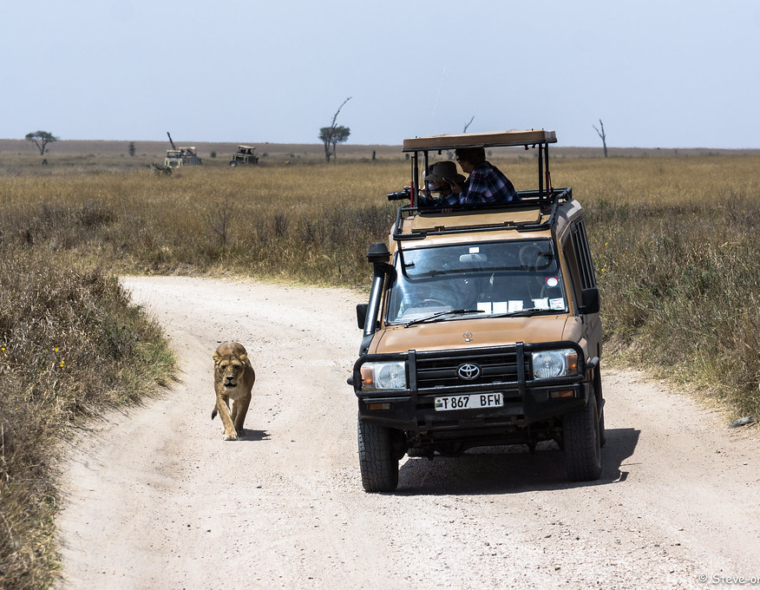
One of the biggest highlights of a Lake Nakuru safari is the presence of white rhinos and black rhinos. These beautiful creatures are threatened across much of Africa, but at Lake Nakuru National Park, they are protected and can often be seen grazing around the areas near the lake. Alongside the rhinos, you may also spot lions and leopards. Leopards are notoriously shy and elusive in many parts of Africa, but visitors report regular sightings here, making it a great spot for big cat enthusiasts.
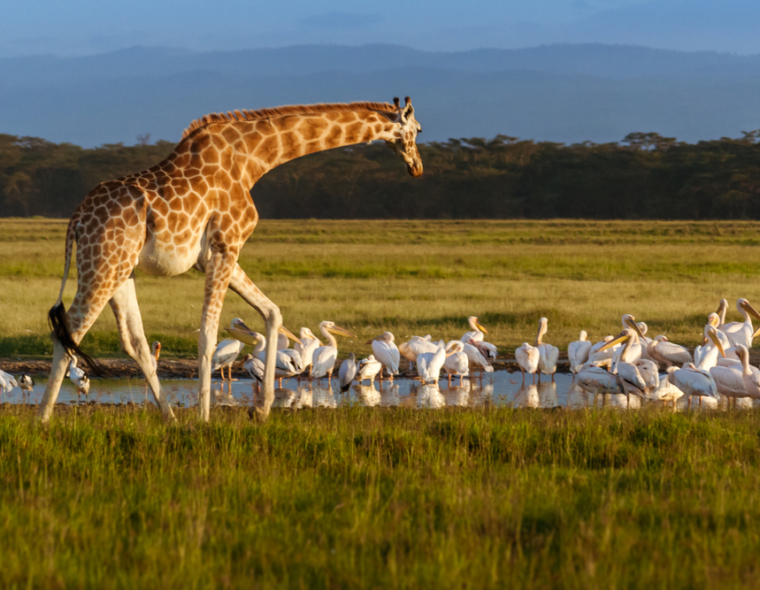
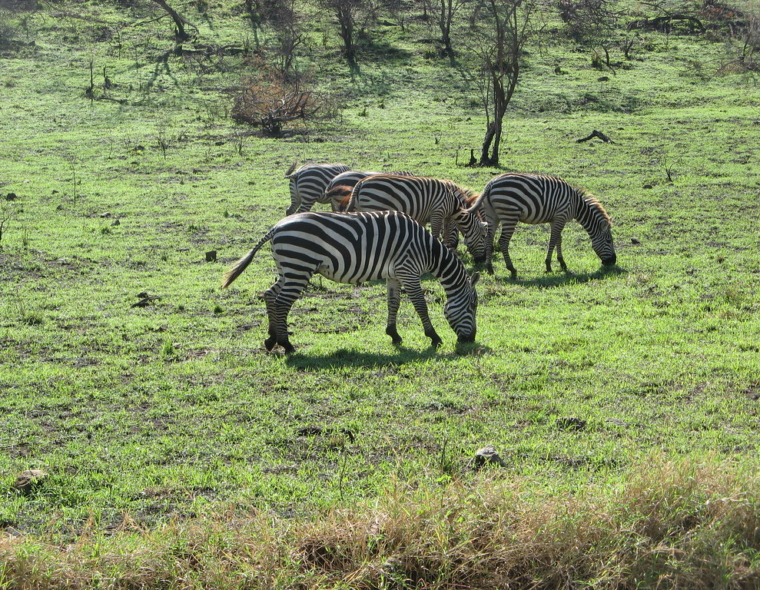
Another incredible sight is the large populations of Rothschild giraffes, an endangered subspecies. Watching these tall, graceful animals walk across the savannah is an unforgettable experience. Additionally, zebras, waterbucks, impalas, and cape buffalo are commonly observed during a visit to the park, enriching the safari tour experience.
If you’re lucky, you might even spot hippos in the lake and monkeys, including olive baboons, among the trees. For those who love something a bit more hidden, there are smaller species like jackals, hyenas, and mongoose you can keep an eye out for as well. Lake Nakuru really provides a well-rounded safari experience because it allows you to see both large, iconic animals and smaller, fascinating creatures all in one place. It’s a microcosm of Kenya’s wider biodiversity.
Why is Lake Nakuru known for its bird population, particularly flamingos?
Lake Nakuru is world-famous for its bird population, especially the massive numbers of flamingos that often gather there along the shores of the lake. The reason for these gatherings lies in the lake itself and the unique ecosystem it provides. Lake Nakuru is a saline (salty) lake, which makes it perfect for attracting algae. This algae is the favorite food of flamingos.
Thousands, sometimes even millions, of greater and lesser flamingos flock to the lake because its waters are full of their preferred food. The sight of these birds creates an incredible “pink carpet” effect along the edge of the lake. It’s one of the most iconic wildlife spectacles in the world and a top reason why photographers and travelers from all over visit Lake Nakuru.
Apart from flamingos, the lake is home to over 450 species of birds, making it a paradise for birdwatchers. You might see pelicans, African fish eagles, cormorants, and kingfishers, among others. Different habitats around the lake, like open water, wooded areas, and cliffside environments, attract diverse species, creating a rich birding experience.
However, it’s worth noting that the number of flamingos at Lake Nakuru can vary depending on water levels and other environmental factors. In recent years, flooding in the lake has reduced salinity levels, which has made it less ideal for flamingos, causing them to migrate elsewhere. But even without massive flamingo numbers, the sheer variety of other birdlife ensures that a visit to the park remains a birder’s dream.
Are there any unique ecosystems or landscapes within Lake Nakuru National Park?
Lake Nakuru National Park, known for its stunning wildlife, has a fascinating variety of ecosystems despite being relatively small compared to other parks in Kenya. This diverse ecosystem makes it unique and worth exploring. Of course, the lake itself is the center of attention. It’s a Rift Valley soda lake, meaning it’s shallow, saline, and has no outlets. The saltiness of the water supports algae growth, which, in turn, attracts vast numbers of birds. The color of the lake sometimes changes based on algae density and flamingo activity, making it a dynamic and beautiful centerpiece of the park.
Surrounding the lake are grasslands and open savannahs. These areas support grazing animals like zebras, antelopes, and buffalos. You might see herds dotted across the plains, enjoying the open spaces. Alongside this, there are patches of acacia forests within the park. These wooded areas provide shelter for primates like baboons and some of the park’s predators, such as leopards, making it a perfect habitat for diverse wildlife.
Surrounding the lake are grasslands and open savannahs. These areas support grazing animals like zebras, antelopes, and buffalos. You might see herds dotted across the plains, enjoying the open spaces. Alongside this, there are patches of acacia forests within the park. These wooded areas provide shelter for primates like baboons and some of the park’s predators, such as leopards.
Lastly, the park also boasts rocky cliffs and escarpments, especially in the western parts. These cliffs offer a home to birds of prey like eagles and serve as great vantage points for visitors to take in panoramic views of the lake and the surrounding countryside. Together, these ecosystems create a varied and stunning environment to explore during your safari tour, making it a highlight for wildlife enthusiasts.
Overall, Lake Nakuru National Park is a remarkable destination for nature lovers and a must-visit when exploring the great Rift Valley lakes in Kenya.
What are the accommodation options available near Lake Nakuru?
If you’re planning a trip to Lake Nakuru, you’ll find a range of accommodation options suitable for different budgets and preferences. These include lodges, tented camps, and budget-friendly hotels, all located within or near Lake Nakuru National Park. For those who prefer convenience and natural scenery, staying within the park is a great option. Lodges such as Sarova Lion Hill Game Lodge or Lake Nakuru Lodge are popular choices. These lodges are well-equipped with comfortable amenities like spacious rooms, dining services, and stunning views over the lake , perfect for relaxing after a day of exploring the vibrant wildlife of this stunning lake.
For travelers seeking a more rustic, close-to-nature experience, tented camps like Flamingo Hill Camp offer luxurious “glamping” setups where you sleep in a tent but still enjoy comforts like a cozy bed, great food, and ensuite bathrooms. These camps often feel more connected to the natural environment, allowing you to truly immerse yourself in the safari tour experience, especially amidst the breathtaking landscapes of the Great Rift Valley.
Budget travelers also have options in towns near the park, such as Nakuru town. Here you will find guesthouses and smaller hotels at more affordable prices. While these accommodations may not provide the same level of luxury or direct access to the park as the lodges, they’re a practical solution if you’re keeping costs low or just stopping briefly, making it easier to enjoy the diverse ecosystem.
Whether you choose a luxury lodge or a simple guesthouse, it’s important to book your accommodation in advance, especially during peak safari seasons (July to October and December). This ensures a smooth trip, as these options can fill up quickly due to Lake Nakuru’s popularity as a safari destination.
What activities and safari experiences can one enjoy at Lake Nakuru?
Lake Nakuru offers a variety of activities to make your visit exciting, adventurous, and memorable. The most popular activity is, of course, game drives. These safari tours allow visitors to explore the park’s diverse ecosystems and spot iconic African wildlife such as lions, rhinos, zebras, giraffes, and plenty of antelopes. Game drives usually take place in the morning or late afternoon, as animals are more active during these cooler parts of the day. Professional guides will lead the way, helping you spot and learn about the animals while ensuring a rewarding Lake Nakuru national park experience.
Another incredible experience is birdwatching. Lake Nakuru is a paradise for bird lovers, with over 400 bird species found here. The highlight for many is watching thousands of flamingos feeding along the edges of the famous soda lake. The sight of pink birds blanketing the shoreline is unforgettable, and other birds like pelicans, storks, and kingfishers add to the spectacle.
You can also enjoy scenic viewpoints like “Baboon Cliff,” which provides breathtaking views of the lake and surrounding park. It’s a fantastic spot to take photos, have a picnic, or just soak in the beauty of the area. Additionally, nature walks and hiking tours are possible in areas like the forests or grasslands, allowing you to explore on foot and appreciate the smaller details of the park’s ecosystem, making it a perfect habitat for wildlife enthusiasts.
Lastly, cultural experiences are sometimes offered as part of Lake Nakuru safaris. You might have the chance to visit nearby communities or engage in activities that give you a glimpse into local Kenyan life, traditions, and hospitality.
How long does a typical Lake Nakuru safari take, and is it part of a larger Kenya safari circuit?
A typical Lake Nakuru safari can take anywhere from half a day to a full day, depending on how much time you have and how thoroughly you want to explore the park. Since the park is relatively small compared to others in Kenya (about 188 square kilometers), it’s possible to cover much of it in just one or two game drives. Many travelers choose to spend one or two nights in the area, giving them more time to enjoy the sights, relax, and take in all the stunning wildlife and scenic beauty.
If you’re on a larger Kenya safari circuit, Lake Nakuru is often included as a stop because of its central location and unique offerings. It’s relatively close to other popular parks like the Masai Mara, famous for its wildebeest migration, and Amboseli National Park, known for its views of Mount Kilimanjaro. Additionally, it’s near Nairobi, the bustling Kenya capital, making it an easily accessible destination even for those short on time.
For example, a common safari circuit might start in Nairobi, head to Lake Nakuru for one or two days, then continue on to Masai Mara or further down to Amboseli or Tsavo National Park. This way, visitors get a mix of wildlife experiences: Lake Nakuru is perfect for birdwatching and seeing rhinos, while other parks might focus on big cats or elephants, showcasing the diverse wildlife of the region.
Whether you include Lake Nakuru as a standalone destination or part of a longer safari, it’s a worthwhile visit. It adds variety and a unique ecosystem to your Kenyan adventure, providing a well-rounded view of the country’s natural treasures, including its breathtaking landscapes and vibrant birds.
What are the park fees or entry requirements for visiting Lake Nakuru National Park?
Lake Nakuru National Park is one of Kenya’s famous safari destinations, and like most national parks, visitors need to pay an entry fee to access it. As of recent updates (though check for the latest rates as they can change), the park fees are typically categorized based on residency status (citizens, residents, or international visitors) and age (adults or children). For international visitors, the entry fee is generally higher because the revenue helps manage and conserve the park. Current rates range between 35 to 60 USD for international adult visitors, while children usually pay about half of that. Kenyan citizens or residents, however, often have discounted rates compared to foreign tourists, typically paying in Kenyan Shillings.
Entry requirements include carrying identification, such as passports for international visitors and national IDs for locals, to confirm your residency status. Most entry payments are made electronically (via cards or mobile payments like M-Pesa), as many national parks in Kenya are doing away with cash transactions for security and efficiency.
Additionally, you may need to consider vehicle fees if you’re entering the park by car. These are also charged based on the type of vehicle you’re using (e.g., safari vans or private SUVs). Visitors are required to follow strict park rules, such as obeying the speed limits inside the park for wildlife safety, staying in designated areas, and keeping noise levels low to avoid disturbing animals.
It’s a good idea to book your trip through a tour company or guide since they often manage entry formalities and factor the park fees into your package. Always double-check the specific entry fees and payment methods closer to your visit, as they may vary.
Are there any conservation efforts or challenges associated with Lake Nakuru and its wildlife?
Lake Nakuru and its surrounding ecosystem face several conservation challenges, but significant efforts are in place to preserve its unique wildlife and breathtaking landscapes. One of the major challenges is pollution. Industries and human settlements near the lake often produce runoff, which finds its way into the water, threatening aquatic life and the balance of the freshwater ecosystem. For example, the increase in pollutants has occasionally led to the decline in food sources for the iconic flamingo population, which is a highlight for wildlife enthusiasts on safari tours.
Another challenge is climate change. Changes in rainfall patterns have caused periodic flooding and the shrinking of Lake Nakuru, a famous soda lake. Flooding often destroys the habitats of animals and birds, even forcing the park’s management to relocate species. On the other hand, if the water levels drop too low, it can lead to salinity concentration, which affects the lake’s algae – a major food source for flamingos, vital to the lake’s diverse wildlife.
To counter these challenges, numerous conservation efforts are underway. The Kenya Wildlife Service (KWS) is actively involved in protecting the national park by regulating human activities in the surrounding areas and conducting regular patrols to prevent poaching. They also work on educating local communities about sustainable practices to minimize pollution and address human-wildlife conflicts, ensuring the area remains a perfect habitat for endangered species.
Another example is the collaboration with international conservation organizations. These groups provide funding for anti-poaching technology, research, and rehabilitation programs for the park’s ecosystem. Efforts to restore forests and plant trees around the park also help to combat environmental degradation, enhancing the picturesque landscape.
Conservationists sometimes focus on tourism to provide funding. Every visitor entry fee partly goes into maintaining the park. So, when you visit Lake Nakuru responsibly, you are directly contributing to its conservation efforts, ensuring that future generations can enjoy the stunning wildlife and vibrant birds that call this place home.
How can one prepare or plan a trip to Lake Nakuru for a safe and fulfilling safari experience?
Planning a trip to Lake Nakuru involves several steps to ensure you have a safe, enjoyable, and memorable safari tour experience. Start with research: know what you want to see and when to visit. Lake Nakuru is famous for its flamingos, rhinos, and other wildlife, and the best time to visit is typically during the dry season (July to October) when animals gather around water sources. However, the wet season (November to May) is great for bird-watching, especially for vibrant birds that thrive in this freshwater ecosystem.
Logistics are key. Decide whether you’ll go with a tour operator or plan the trip independently. Tour operators are ideal for first-timers as they handle accommodation, park entry fees, guides, and transport within the park. If you’re driving yourself, ensure your car is suitable for the terrain (a 4×4 is best) and familiarize yourself with the park rules, particularly those that protect the diverse wildlife.
Packing the right items will enhance your experience. Essentials include lightweight, neutral-colored clothes (to blend with the environment), comfortable walking shoes, sunscreen, insect repellent, a wide-brimmed hat, binoculars for spotting birds, and a good camera for capturing wildlife. Carry plenty of water and snacks, as well as personal medications if needed, especially during your Lake Nakuru national park experience.
Safety is important during the trip. Follow park regulations, like staying in your vehicle, avoiding feeding animals, and keeping noise levels low. While Lake Nakuru is fenced to reduce human-wildlife conflict, animals still roam freely, and respecting their space is crucial.
Lastly, budget accordingly. Factor in transport, accommodation, entry fees, and tips for guides or rangers. By planning carefully and remaining respectful of nature, you’ll maximize your chances of having a fulfilling safari experience at Lake Nakuru!
Lake Nakuru National Park is a popular highlight on Kenya safaris, located conveniently between Nairobi, Naivasha, Masai Mara, and Amboseli. Whether you’re planning a relaxed family safari, a quiet honeymoon, or just a short day trip, this park is easy to reach by road, just three hours from Nairobi, or via the local Nakuru airport. Many travelers opt for car hire to explore freely and take in the best views, including the well-known Baboon Cliff. The lake is famous for its seasonal pink cover of flamingos, attracting visitors for photography and making it a key destination for a birding safari.
Wildlife is plentiful, with regular sightings of rhinos, giraffes, zebras, and baboons. While rare, some guests have reported seeing tree climbing lions, especially in early morning hours. The weather is generally pleasant throughout the year, offering ideal conditions for camping and unhurried game drives. Those with extra time often visit Menengai Crater, known for its dramatic scenery and panoramic viewpoints. Many visitors also extend their trip with a relaxing boat ride on Lake Naivasha, adding a peaceful ending to a nature-filled day in one of Kenya’s most accessible and wildlife-rich parks.