What are the main differences between Lake Naivasha and Lake Nakuru in terms of size and location?
Lake Naivasha and Lake Nakuru are both located in Kenya, specifically in the Rift Valley, but their sizes and locations differ significantly. Lake Naivasha is much larger than Lake Nakuru, with an area of approximately 139 square kilometers (about 54 square miles). In comparison, Lake Nakuru is smaller, covering about 45 square kilometers (around 17 square miles). This makes Lake Naivasha over three times larger in size.
Geographically, Lake Naivasha is situated at a higher elevation, about 1,884 meters (6,181 feet) above sea level, near the town of Naivasha in Nakuru County. It is roughly 90 kilometers northwest of Nairobi, Kenya’s capital city. On the other hand, Lake Nakuru is slightly to the west of Lake Naivasha and is located at a lower altitude of around 1,754 meters (5,755 feet). It lies just outside Nakuru city, making it more accessible to urban visitors.
Because of its larger size and open surroundings, Lake Naivasha feels more expansive, with an open, scenic landscape, while Lake Nakuru is situated within a protected national park, the Lake Nakuru National Park, surrounded by forests and cliffs. The proximity of Nakuru town to Lake Nakuru also means there’s more human development around it compared to the more tranquil, rural feel of Lake Naivasha.
In summary, the key differences are that Lake Naivasha is larger and at a higher elevation, offering a more expansive, open environment, while Lake Nakuru is smaller, located closer to a city, and surrounded by a protected national park.
What type of lakes are Lake Naivasha and Lake Nakuru?
Lake Naivasha is a freshwater lake, while Lake Nakuru is a saline (alkaline) lake. This is one of the most fundamental differences between the two lakes and has a huge impact on their ecosystems and the types of wildlife they support.
Lake Naivasha’s freshwater status means that it is fed by rivers, underground springs, and rainfall, with relatively low salt content. This gives rise to a rich variety of plants and animals, as freshwater ecosystems tend to be more diverse. Humans also draw heavily on Lake Naivasha for water, irrigation, and fishing due to its freshwater qualities. For example, the flower farming industry, which produces flowers for export, uses water from Lake Naivasha to sustain its operations.
Lake Nakuru, conversely, is a saline or alkaline lake because it has no natural outlet, meaning water comes in but does not flow out. Over time, the water evaporates, leaving behind minerals like salts and carbonates, which make the lake alkaline. Due to its salinity, it mostly supports specialized organisms, such as algae, which in turn feed thousands of flamingos that flock to the lake to eat.
While Lake Naivasha is suitable for activities like fishing and irrigation due to its freshwater, Lake Nakuru is not ideal for such purposes due to its salinity. However, Lake Nakuru’s unique ecosystem makes it irreplaceable for species like flamingos, pelicans, and other waterbirds that rely on the algae and fish present in the lake.
In short, Lake Naivasha is a freshwater lake supporting a range of biodiversity and human activities, while Lake Nakuru is a saline lake known for its specialized ecosystem, particularly its role in hosting flamingos.
What is the significance of each lake in terms of biodiversity and wildlife?
Both Lake Naivasha and Lake Nakuru are incredibly important for biodiversity, but they play very different roles due to their distinct ecosystems.
Lake Naivasha, being a freshwater lake, is home to a wide variety of plant and animal species. The lake supports numerous species of fish, frogs, aquatic plants, and even hippos, which are often seen lounging in its waters. The shoreline has a mix of acacia trees, papyrus swamps, and open wetlands that serve as habitats for many creatures. Birdlife is remarkably diverse here, with over 400 bird species recorded, such as African fish eagles, kingfishers, and cormorants. The biodiversity of Lake Naivasha makes it a critical habitat for wildlife, but its freshwater also makes it a key resource for humans, especially for irrigation and flower farming, so balancing the needs of both nature and people is important.
Lake Nakuru, on the other hand, is world-famous for its immense bird population, particularly its hundreds of thousands of flamingos. The algae growing in the lake is the main food source for these birds, and their vibrant pink color creates stunningly beautiful scenes. Besides flamingos, the lake supports other waterbirds such as pelicans, herons, and storks. The surrounding Lake Nakuru National Park also offers protection for larger animals like rhinos, buffaloes, and lions, making it a hotspot for wildlife tourism.
In conclusion, Lake Naivasha plays a significant role as a freshwater biodiversity hub with multiple bird, plant, and aquatic species, while Lake Nakuru’s importance lies in its specialized ecosystem, supporting vast numbers of flamingos and other bird species, as well as larger mammals within its national park setting. Each lake is vital for the balance of nature in its own unique way.
Which bird species are commonly found in Lake Naivasha and Lake Nakuru?
Both Lake Naivasha and Lake Nakuru are well-known for their incredible birdlife, but they each offer unique bird species because of the differences in their ecosystems. Let’s break this down:
At Lake Nakuru, the lake is especially famous for being a sanctuary for vast flocks of flamingos, particularly the lesser flamingos. These birds are attracted to the lake because of its high alkaline levels, which create the perfect conditions for algae growth, their main food source. Imagine seeing a sea of pink stretching across the lake! Additionally, Lake Nakuru is home to other bird species such as pelicans, cormorants, and African fish eagles. It’s part of a national park designated as an Important Bird Area, meaning the space is critical for bird conservation.
In contrast, Lake Naivasha is a freshwater lake and is home to a different type of birdlife. You’ll often spot African fish eagles swooping over the water to catch fish, it’s almost like watching a hunting show in nature! Other bird species commonly found around this lake include herons, kingfishers, and ospreys. Lake Naivasha’s surrounding vegetation (like papyrus and acacia trees) also provides a habitat for smaller birds such as weaver birds and warblers.
The key difference is that Lake Naivasha supports freshwater-loving birds attracted by fish and vegetation, while Lake Nakuru thrives with salt-tolerant species like flamingos, whose diet needs algae from alkaline conditions. Together, these lakes create an ideal birdwatching experience for tourists and ornithologists. It’s like having two contrasting bird ecosystems not far from each other in Kenya!
What are the primary attractions for tourists around Lake Naivasha and Lake Nakuru?
Both lakes are major tourist destinations, but their attractions differ slightly due to their unique environments and ecosystems.
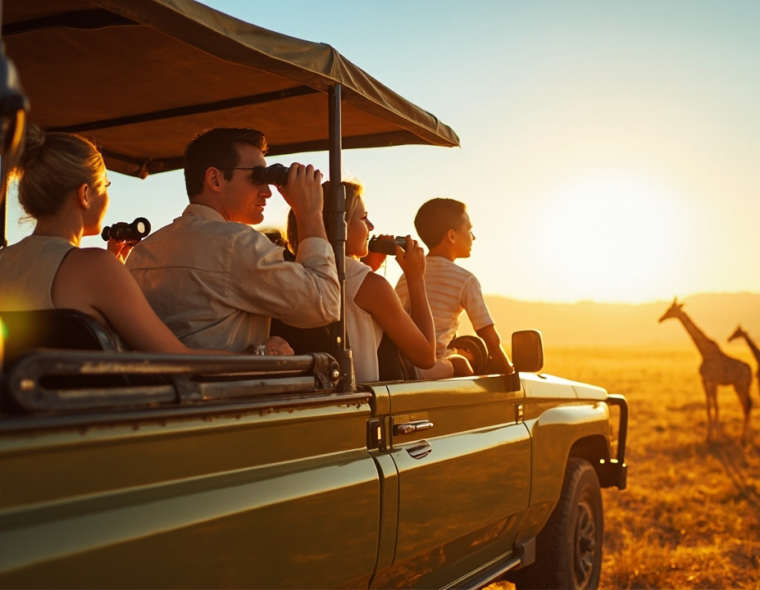
At Lake Nakuru, the main attraction is the Lake Nakuru National Park, which surrounds the lake. This is a protected area that offers incredible safari experiences. The park is famous for the iconic flamingo populations that create a picturesque “pink carpet” along the shores. Apart from the birds, the park is also a haven for wildlife enthusiasts because it’s home to diverse animals like lions, leopards, buffalo, zebras, and endangered black and white rhinos. A safari drive in the park often yields unforgettable wildlife encounters.
In addition, tourists are drawn to Baboon Cliff, which provides panoramic views of the lake and the surrounding landscape. Another favorite attraction for visitors is birdwatching, as Lake Nakuru is considered a top site for bird enthusiasts from all over the world.
Meanwhile, Lake Naivasha is more community-centered and offers a mix of nature and activities. A popular tourist activity here is boat rides on the lake, where visitors can see hippos popping out of the water and spot fish eagles hunting. Tourists also visit Crescent Island, which is a private sanctuary teeming with herbivores like giraffes, zebras, and antelope, making it great for walking safaris.
Around Lake Naivasha, there are other notable attractions like Hell’s Gate National Park, where tourists can hike, bike, or even explore gorges. If you’re a fan of gardens and plants, there’s Elsamere Conservation Centre, the former home of Joy Adamson, the author of “Born Free.” This lake offers more hands-on activities compared to Nakuru, which is focused on safaris and birdwatching.
How do the ecosystems of Lake Naivasha and Lake Nakuru differ?
The ecosystems of Lake Naivasha and Lake Nakuru differ primarily because one is a freshwater lake (Naivasha) and the other is a saline, alkaline lake (Nakuru). These fundamental differences affect the types of plants, animals, and birds that thrive in and around each lake.
Lake Nakuru’s Ecosystem:
Lake Nakuru is a shallow, salty lake that supports an alkaline ecosystem. The high salt content creates conditions ideal for microorganisms like blue-green algae, which serves as food for lesser flamingos. This makes it one of the world’s most spectacular bird habitats. However, salty water limits the diversity of fish and other aquatic animals in Nakuru. The surrounding dry grasslands, dotted with acacia forests, support animals like lions, rhinos, leopards, and herds of grazing animals.
Additionally, the entire ecosystem is contained within a national park, protecting it from overuse or large-scale human activity. The ecosystem here is more specialized and dependent on the balance between the lake’s alkalinity and the surrounding flora and fauna.
Lake Naivasha’s Ecosystem:
Lake Naivasha’s ecosystem is completely different because it’s a freshwater lake, which can support a much wider variety of aquatic life. Fish like tilapia and black bass thrive in the lake, feeding larger predators like fish eagles, herons, and osprey. Hippos are common residents in the water, while giraffes, zebras, and buffalo can be spotted in the surrounding bushlands.
The freshwater ecosystem also means diverse plant life grows at the edges of the lake, from papyrus reeds along the waterline to acacia trees further out. However, this diversity has invited human activity, like flower farming, which alters the natural ecosystem. Wildlife at Naivasha tends to be more abundant and varied because of the availability of fresh water and vegetation.
In short, Lake Nakuru’s ecosystem is more specialized for salt-tolerant species and algae-eating birds, while Lake Naivasha supports a much broader range of freshwater species, including fish, plants, and mammals. Both are critical ecosystems, but they’re like two very different worlds existing relatively close to one another in Kenya!
What are the economic activities surrounding Lake Naivasha and Lake Nakuru?
The areas surrounding Lake Naivasha and Lake Nakuru support different types of economic activities, most of which are tied to the natural resources of each lake and its surroundings. Let’s break it down:
For Lake Naivasha, one of the most significant economic activities is floriculture, the farming of flowers. This lake is known for being at the heart of Kenya’s flower industry, and large greenhouses along the shores of the lake grow flowers like roses and carnations, most of which are exported to Europe. The flower industry gives many locals jobs in greenhouses, transportation, and flower packaging.
Another major economic activity around Lake Naivasha is fishing. Being a freshwater lake, it supports species such as tilapia and crayfish, which are caught for commercial and subsistence purposes. However, fishing needs to be carefully managed to avoid overfishing or collapsing fish populations.
Tourism around Lake Naivasha also contributes significantly to the economy. Tourists visit the lake for its serene environment, boat rides, and wildlife viewing opportunities. Hotels, lodges, and tour companies along the lake benefit from this traffic as well.
For Lake Nakuru, the primary economic driver is tourism due to its proximity to the Lake Nakuru National Park. The park’s famous flamingos and abundant wildlife (like rhinos, lions, and zebras) attract both domestic and international tourists. This has led to the growth of hotels, businesses, and souvenir shops in nearby Nakuru town.
Fishing is less prominent in Lake Nakuru because it is a saline lake and doesn’t support fish in the way freshwater lakes do. However, people may collect natural soda ash deposits from the lake, which can sometimes have small-scale economic benefits. The conservation of Lake Nakuru also employs many individuals, particularly in jobs related to the national park or community efforts to protect the biodiversity.
So in summary:
- Lake Naivasha centers around floriculture, fishing, and tourism.
- Lake Nakuru relies heavily on tourism and conservation-related activities.
What conservation efforts are in place for each lake?
There are several ongoing conservation efforts around both lakes because they face environmental challenges like pollution, habitat destruction, and overuse of resources.
For Lake Naivasha, conservation efforts are focused on balancing human activities, such as floriculture and fishing, with environmental protection. Organizations like the Lake Naivasha Growers Group (LNGG) work with flower farms to ensure they follow environmental standards, such as limiting water use and treating wastewater. This is important because flower farms rely heavily on water from the lake.
The Kenya Wildlife Service (KWS), together with local groups, also works to conserve the area’s rich biodiversity. Initiatives include reforesting areas around the lake to reduce soil erosion, maintaining buffer zones to protect the lake from agricultural runoff, and monitoring fish populations to prevent overfishing. There is also a push to promote sustainable tourism, making sure visitors enjoy the lake without disturbing the fragile ecosystem.
For Lake Nakuru, most conservation efforts are connected to the Lake Nakuru National Park, managed by KWS. The park provides a structured framework to protect the lake’s ecosystem, its wildlife, and the famous flamingos. Conservation efforts here focus on anti-poaching initiatives, particularly for endangered species like rhinos, which live in the park.
Efforts are also being made to manage pollution flowing into the lake from nearby Nakuru town. For example, local governments and environmental groups are working to regulate the untreated waste and pesticide runoff that gets into the lake through rivers. Community education programs also help locals understand how human activities impact the lake and wildlife.
Both lakes benefit from regional conservation organizations and partnerships, such as the Ramsar Convention on Wetlands, which recognizes these lakes as important ecosystems that need international protection.
In short: Lake Naivasha’s conservation efforts revolve around sustainable agriculture and keeping water clean, while Lake Nakuru focuses on wildlife protection and managing pollution.
How are the water quality and environmental health of Lake Naivasha and Lake Nakuru?
The water quality and environmental health of both lakes have faced challenges over the years due to various human and natural factors.
For Lake Naivasha, the biggest concern is the deterioration of water quality due to agricultural runoff. Fertilizers, pesticides, and untreated wastewater sometimes make their way into the lake, increasing nutrient levels. This can lead to algae growth, which reduces oxygen in the water and harms fish. The large-scale flower farming in the area also poses a significant risk because it demands a lot of water from the lake, which can lower water levels and affect its balance. Overfishing and the introduction of non-native fish species have also stressed the lake’s ecosystem. Despite these issues, efforts like regulating farming practices are helping improve the situation gradually.
Lake Nakuru has more severe water quality challenges because it is a saline lake and sits in a closed basin (meaning no outflows). Nutrient and salt levels accumulate over time, making the lake hypersaline. Pollution from Nakuru town and nearby agricultural lands has also degraded its water quality. Industrial and sewage waste entering the lake has particularly affected its environmental health, with declining flamingo populations being one of the indicators of the lake’s woes.
Both lakes face challenges related to climate change as well. Unpredictable rainfall patterns and prolonged droughts lead to fluctuating water levels, which put pressure on the lakes’ ecosystems. For example, in Lake Nakuru, a rise in water levels in recent years has caused flooding, affecting wildlife habitats and reducing the flamingos’ feeding areas.
In conclusion, while water quality issues exist in both lakes due to human activities and natural factors, ongoing conservation and restoration work offer hope for their recovery.
What challenges, such as pollution or human activity, are affecting each lake?
Both Lake Naivasha and Lake Nakuru face significant challenges due to human activities and environmental issues, which threaten their ecosystems. These challenges differ slightly for each lake based on their characteristics and surrounding uses, but they share some common problems.
Lake Naivasha faces pollution from agricultural runoff and flower farms in the area. The Naivasha region is a hub for horticulture, particularly flower farming, which uses large amounts of pesticides, fertilizers, and water. When it rains, chemicals from farms often wash into the lake, polluting it and harming aquatic life. In addition, over-abstraction of water for irrigation has caused concerns about the water levels in Lake Naivasha, especially during dry seasons. Pollution from urban waste and sewage from nearby towns, such as Naivasha town, also threatens the lake’s health. Human settlement and population growth in the area mean more waste ends up in the lake, which can deplete oxygen levels and harm fish and plant species.
Lake Nakuru, a saline lake, faces similar but distinct challenges. One of the biggest issues is pollution from urban areas, as the city of Nakuru is located nearby. Industrial runoff and untreated sewage often find their way into the lake, increasing pollution levels. In addition, deforestation and land degradation in the catchment areas around Nakuru result in sedimentation. When forests are cleared, soil erosion increases, and sediment builds up in the lake, reducing its depth and harming the habitat for its famous flamingos. The decreasing water levels of the lake due to changes in rainfall patterns, climate change, and increasing water use are also significant challenges.
An example of human activity affecting both lakes is invasive species. In Lake Naivasha, invasive fish species and plants such as the water hyacinth disrupt natural ecosystems, impacting native fish and bird populations.
In summary, both lakes are struggling with pollution, invasive species, and the impact of human activities like agriculture, urban development, and deforestation. These challenges highlight the urgent need for sustainable management to protect the biodiversity of both lakes.
Which nearby national parks or reserves are associated with Lake Naivasha and Lake Nakuru?
Each lake has nearby national parks or reserves that protect wildlife and serve as tourist attractions.
Lake Naivasha is surrounded by several important conservation areas. The most notable is Hell’s Gate National Park, located near the lake. This park is famous for its dramatic landscapes, including towering cliffs, gorges, and geothermal hot springs. Hell’s Gate is home to animals like zebras, giraffes, and buffaloes, as well as many bird species found near the lake. For tourists, it’s a remarkable experience because it’s one of the few parks where walking and cycling are allowed. Another nearby reserve is the Crater Lake Game Sanctuary, a small but beautiful area centered around a jade-green volcanic crater lake. It’s home to antelopes, flamingos, and other bird species, making it popular for hiking and nature walks.
In contrast, Lake Nakuru National Park surrounds Lake Nakuru itself, making it inseparable from the lake. This park is famous for its spectacular flamingos, which feed on the lake’s algae, painting the shores pink. It is also home to a variety of large mammals, including white and black rhinos, lions, leopards, and buffaloes. This makes it a key destination for both birdwatchers and safari visitors. The park’s conservation efforts, like its rhino sanctuary, make it a critical area for protecting endangered species.
In summary, Lake Naivasha’s nearby protected areas focus on diverse landscapes and smaller wildlife habitats, while Lake Nakuru’s national park is centered around hosting large wildlife and protecting the lake itself.
How do the seasons and climate influence the conditions of Lake Naivasha and Lake Nakuru?
The seasons and climate have a significant impact on both Lake Naivasha and Lake Nakuru by affecting their water levels, biodiversity, and surrounding ecosystems. Both lakes are located in Kenya’s Rift Valley, where they experience a pattern of wet and dry seasons.
For Lake Naivasha, rainfall during the wet seasons helps replenish the lake’s freshwater supply. This is crucial for maintaining its ecosystems and supporting activities like flower farming and fishing. However, if rainfall is too heavy, it can lead to flooding, which may harm nearby farmlands and settlements. In dry seasons, the water level often drops significantly because of evaporation and overuse for irrigation. This impacts aquatic plants, fish, and the animals that depend on the lake as a water source. Bird species that rely on the lake for fish, like fish eagles, are also affected when fish populations decline during the dry season.
Lake Nakuru, being a saline lake, is even more sensitive to seasonal changes because it depends entirely on rainfall for its water supply. During wet seasons, rainfall increases both the water levels and nutrient loads in the lake, supporting the growth of the algae that flamingos feed on. However, excessive rainfall can dilute the salinity of the lake, which can negatively affect the algae and, consequently, the flamingos. In dry seasons, the water levels may drop drastically, sometimes exposing vast stretches of the lakebed. This can result in fewer feeding areas for flamingos and lead to bird populations temporarily leaving the lake. Climate change, which causes erratic rainfall patterns, is worsening these challenges by making water levels less predictable.
Both lakes demonstrate the delicate balance between seasons and biological systems. Wet seasons often bring life and abundance, while dry seasons stress ecosystems and threaten biodiversity. These seasonal effects show the urgent need for sustainable water management and climate change adaptation to protect these natural treasures.