The National Park has about 7 operational camping sites and these are located in different parts of the National Park. All the camping sites within and outside the National park have unique features and are all different from each other making your camping safari a good and enjoyable one. Note that Lake Nakuru National Park is cooler during the night and you should pack some warm clothes. There are several activities are carried out in the National Park like birding, game drives and camping. A few things that you should put into consideration when choosing a campsite include the services offered and the location of the camp.
What is Nakuru camping safaris, and what makes them unique?
Nakuru camping safaris are outdoor adventures where people set up camp and stay in or around Nakuru, a beautiful region in Kenya. This area is renowned for its stunning natural landscapes, particularly the shallow alkaline Lake Nakuru National Park, which is home to incredible wildlife and breathtaking scenery. These budget safaris allow you to immerse yourself in nature, away from city life, giving you a chance to experience Kenya’s wildlife, landscapes, and local culture up close.
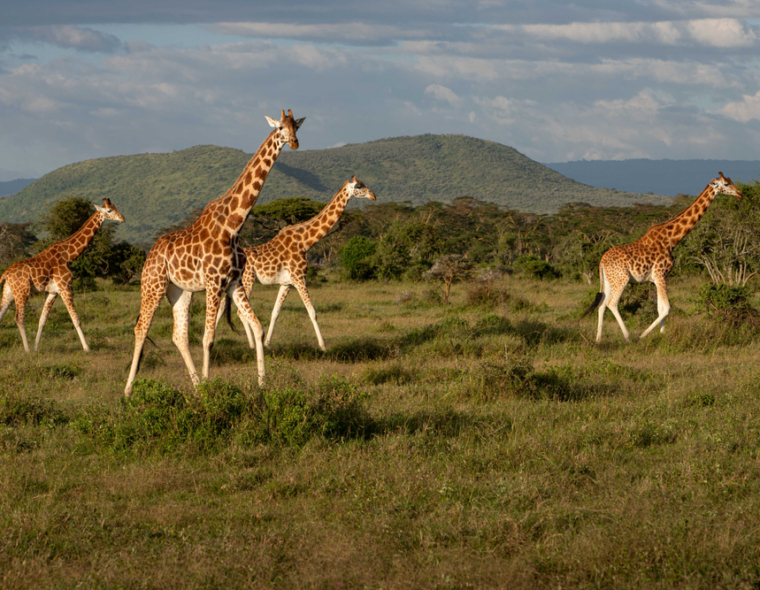
What makes these safaris unique is the wide variety of things you can see and do. For starters, Nakuru is home to Lake Nakuru, a UNESCO Heritage Site known for its vast flocks of flamingos that turn the lake pink when they gather there. It’s also a great place to see other wildlife, like endangered black rhinos, lions, giraffes, buffaloes, and even leopards. You will encounter dramatic landscapes like savannahs, forests, and cliffs, such as the famous Baboon Cliff, enhancing your safari experience.
Another unique feature of Nakuru camping safaris is the balance between accessibility and a true wilderness experience. It’s not too far from big cities like Nairobi, which makes it easier to travel to, yet once you’re there, it feels like you’re stepping into a completely different world. Whether you’re a beginner camper or an experienced adventurer, Nakuru has something for everyone , from fully guided luxury camping trips to self-guided budget safari options.
In short, Nakuru camping safaris stand out because they combine incredible wildlife, breathtaking views, and flexibility in planning a trip, all within a stunning location that feels like an outdoor paradise. The chance to see species like the Rothschild giraffe and enjoy the spectacular views of the rift valley lakes makes this experience unforgettable.
What is the best time of year to go on a camping safari in Nakuru?
The best time to go on a camping safari in Nakuru is during the dry seasons in Kenya, which are typically from June to October and late December to February. These periods offer the best weather conditions for camping, wildlife viewing, and outdoor exploration.
During the dry season, the weather is generally sunny and warm during the day. The dry conditions make it easier to set up camp, explore hiking trails, and drive on safaris without worrying about muddy roads. This is also when animals are more gathered around water sources like Lake Nakuru, so it becomes much easier to spot them.
On the other hand, the wet season, which occurs from March to May (long rains) and partly in November (short rains), might not be ideal for camping. The rains can make the ground muddy and slippery, and some animals may spread out into bushier areas that are harder to access. However, the wet season has its own appeal: it’s when the landscape becomes lush and green, and you might spot baby animals since it’s a major breeding period for wildlife.
For example, if you’re hoping to witness the iconic flamingos at Lake Nakuru, you’re more likely to see big flocks during the dry season when the lake’s water levels are lower, creating the perfect environment for them. The dry season also aligns with peak tourist times, so if you prefer fewer crowds, you might choose the shoulder months (right before or after the dry season) for a more peaceful experience.
To summarize, while dry seasons are the premium time to visit Nakuru for a camping safari due to favorable weather and good wildlife visibility, some may still enjoy the quieter and greener experience the rainy season brings , if they don’t mind the challenges of wet camping.
Which are the top camping locations or sites in Nakuru?
Nakuru offers several fantastic camping locations, each with its own charm. Here are some of the top camping sites you can explore:
- Lake Nakuru National Park This is one of the most popular spots for camping in Nakuru. You can camp right in or near the park, surrounded by incredible wildlife like zebras, gazelles, and rhinos. It’s also close to Lake Nakuru, where you can enjoy birdwatching, especially the iconic flamingos. Campsites here, like Naishi Campsite, are basic but allow you to immerse yourself in nature completely.
- Elementaita Campsites Lake Elementaita, another beautiful soda lake near Nakuru, is a more tranquil spot for camping. It offers stunning views, and it’s great for birdwatching too, as it hosts flamingos and pelicans. Camping here gives a quieter experience compared to the more crowded Lake Nakuru National Park, making it ideal for people seeking solitude in nature.
- Hyrax Hill Prehistoric Site This location combines camping with a bit of history. Hyrax Hill is an archaeological site where you can learn about ancient Kenyan civilizations while enjoying a camping experience overlooking Nakuru Town. It’s unique because it’s both educational and scenic.
- Campsites Around Menengai Crater The Menengai Crater is a massive, dramatic volcanic formation near Nakuru. Camping here allows you to take in the stunning views of the crater and embark on hiking adventures along its rim. It’s also rich in cultural stories and local folklore, making it a fascinating option for campers who want to explore more than just nature.
- Private Campsites and Lodges If you’re looking for a camping spot with a bit more infrastructure, private campsites like Punda Milias Nakuru Camp offer well-kept grounds, access to running water, and amenities like restaurants. These sites are perfect for beginners or families who want a less rugged camping experience but still want to enjoy Nakuru’s outdoors.
In conclusion, whether you’re looking for a wild and immersive camping trip within Lake Nakuru National Park, or a more organized and peaceful experience at Lake Elementaita or private campsites, you’ll find something that fits your preference and budget in Nakuru.
What wildlife and natural attractions can one expect to see during a Nakuru camping safari?
Lake Nakuru is one of Kenya’s most popular tourist destinations, and for good reason! If you embark on a lake nakuru budget safari, you can expect to see a variety of wildlife and stunning natural scenery. One of the most iconic sights is the flamingos that gather around Lake Nakuru. In the past, the lake was famous for its millions of pink flamingos, although their numbers can vary depending on water levels and conditions. Still, the sight of these birds feeding or flying together is breathtaking.
You’ll also have a chance to spot other birds since Lake Nakuru is home to over 400 bird species. These include kingfishers, African fish eagles, and pelicans. It’s truly a bird lover’s paradise!
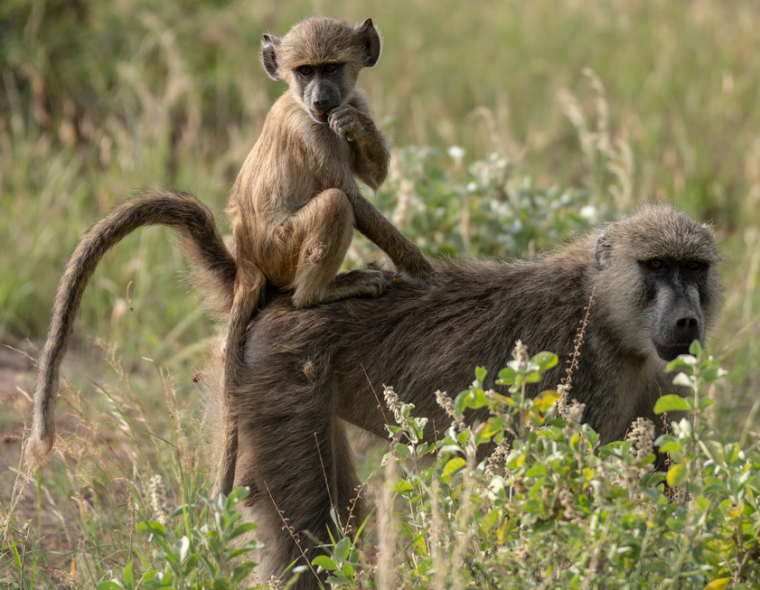
In terms of animals, Nakuru’s national park is known for its rhinos. Both white and black rhinos live in the park, and it’s one of the few places in Kenya where you can expect to see them up close. There’s also a good chance you’ll encounter lions, zebras, giraffes, buffalos, and leopards. If you love monkeys, look out for baboons and vervet monkeys in the forests near the lake.
For natural attractions, Lake Nakuru itself, with its calm waters and surrounding acacia trees, is incredibly beautiful and peaceful. The surrounding cliffs and viewpoints, like Baboon Cliff, offer amazing panoramic views of the park and lake. You may also come across Makalia Falls, a lovely spot located in the park where many visitors stop for photos or short hikes.
Overall, budget safaris in Nakuru are perfect for seeing a mix of wildlife, birds, and stunning natural landscapes.
What types of camping options are available, such as luxury, budget, or self-camping?
When it comes to camping options in Nakuru, you’ll find something for every type of traveler, whether you’re seeking a budget safari or a luxurious campsite experience.
Luxury camping:
If you love the idea of camping with style and comfort, luxury camping, or “glamping”, might be for you, especially when considering options like a budget safari at Lake Nakuru. Luxury camping includes spacious tents that feel more like hotel rooms, often found at various camp sites. These tents typically have real beds, private bathrooms, and even cozy seating areas, making it ideal for those seeking an authentic camping experience without sacrificing comfort.
Budget camping:
If you’re traveling on a tight budget, there are budget safaris with simple campsites around Nakuru where you can pitch a tent or rent basic facilities. These campsites often include shared toilets, showers, and basic cooking areas, providing an authentic camping experience. Most budget campsites are located near popular spots like Lake Nakuru National Park, making them affordable yet still close to the action of your safari experience.
Self-camping:
This is for the adventurous souls who like to plan everything themselves! You can bring your own camping gear and set up your tent at various budget safari campsites, including the scenic Makalia Falls campsite. It’s one of the cheapest ways to camp, but you’ll need to make sure you carry all the essentials, such as a tent, sleeping bags, food, water, and cooking equipment for an authentic camping experience.
Hybrid camping:
This is a mix of budget and guided camping. Some campsites provide pre-set tents that are already pitched, with bedding and basic supplies provided. While they may not be luxurious, they’re super convenient because you don’t need to bring your own heavy equipment.
Each option has its perks! Luxury tents are great for relaxing after a long day of exploring, while budget or self-camping offers a true outdoor experience for those who love adventure.
What essential items and equipment should one pack for a Nakuru camping safari?
Packing the right gear is important to make sure you’re comfortable and prepared during your Nakuru camping safari. Here’s a breakdown of must-have items:
- Clothing: Pack light, comfortable clothing in neutral colors like khaki, tan, or olive (bright colors can scare animals). Bring layers, as mornings and evenings can be chilly while afternoons may get hot. A lightweight jacket or fleece will help in case it gets cold or rains. Don’t forget a hat and sunglasses to protect yourself from the sun.
- Camping gear: If you’re doing self-camping, bring a sturdy tent, sleeping bag, and sleeping mat. Make sure the tent is waterproof in case it rains. If you’re glamping or renting, check what’s provided to avoid overpacking.
- Footwear: Comfortable hiking shoes or boots are essential since you’ll spend a lot of time outdoors. Sandals or slip-ons are handy for relaxing around the campsite.
- Food and water: Carry enough food for your duration if you’re self-camping. You might want to bring snacks like granola, dried fruit, and nuts. Pack plenty of bottled water to stay hydrated, as well as a portable water filter just to be safe.
- Cooking equipment: A small camping stove, cooking utensils, matches or a lighter, and lightweight pots will come in handy if you’re preparing your own meals. Don’t forget a cooler for storing food.
- First aid kit: Include basics like bandages, antiseptic wipes, painkillers, allergy medication, and any prescription meds. Add insect repellent and sunscreen to protect your skin.
- Other essentials: Pack binoculars for bird or animal spotting, a flashlight or headlamp with extra batteries, a pocket knife, a good-quality travel camera, and a power bank for charging your smartphone or devices. Bring a guidebook if you like to identify animals or plants on your own.
- Important documents: Don’t forget your park permits, ID, passport, and any booking confirmations.
With this gear, you’ll be ready for an unforgettable trip!
Are there guided safari tours available, or is it possible to camp independently?
Yes, both options are available for camping safaris in Nakuru. You can choose a guided safari tour or opt to camp independently, depending on your preferences, budget, and level of experience with camping and wildlife safaris.
Guided safari tours are an excellent option for first-time campers, those unfamiliar with the area, or anyone who wants a hassle-free experience. These tours are typically organized by professional companies or tour guides who handle all the logistics, permits, transportation, meals, and equipment. A professional guide will also accompany you to share their deep knowledge of the local wildlife, landscapes, and history. For example, in Lake Nakuru National Park, a guide can point out interesting behaviors of flamingos, rhinos, or lions and ensure you stay within safe areas.
On the other hand, independent camping requires you to be self-reliant and plan extensively. This means securing your own camping permits, packing all necessary supplies (like tents, food, and cooking gear), and understanding park regulations. While this option can be more affordable and adventurous, it requires a good understanding of the local environment. For instance, you’ll need to know how to store food safely to avoid attracting animals like baboons or hyenas to your campsite.
Each option has its pros and cons. Guided tours offer convenience, safety, and expert knowledge, while independent camping gives you more freedom to customize your experience. It’s important to assess your skills and the risks involved before choosing independent camping. If you’re new to the area or unsure about local wildlife and terrain, guided tours are generally the safer and more enriching option.
What are the costs associated with Nakuru camping safaris, including permits and park fees?
The costs for a Nakuru camping safari depend on factors like the park or area you’re visiting, the type of camping (luxury vs. budget), and whether you’re going with a guided tour or camping independently.
For Lake Nakuru National Park, visitors are required to pay a park entrance fee. As of recent updates, the entrance fee for foreign visitors is approximately $35–60 USD per adult per day, while local residents pay a much lower rate. These fees help support conservation efforts in the park. If you’re using a campsite within the park, such as the Naishi or Makalia Falls campsites, there are additional camping charges of around $20–$25 USD per night per person for basic facilities.
For guided camping safaris, the costs are generally higher since they include services like transportation, camping gear, meals, and guiding fees. These tours can range from $100–$500 per person per day, depending on whether it’s a budget tour or a more luxurious package. A luxury camping experience might even include private chefs, comfortable tents with beds, and hot showers. For example, glamping setups near Lake Nakuru might cost $200–$400 per night and often cater to tourists seeking comfort.
If you’re camping independently, costs can be kept low. However, you’ll still need to factor in transportation (car rentals or public transport), camping permits, food, and equipment. Fuel for game drives can also add up, especially if you’re visiting multiple parks in the region.
Lastly, consider unexpected costs, such as hiring a guide for a day, renting equipment, or paying penalties if you breach park rules unintentionally. Be sure to budget carefully and double-check prices, as they can vary between operators and change over time due to conservation policies.
What safety tips should be followed while camping in Nakuru, especially regarding wildlife?
Safety is crucial when camping in Nakuru since you’ll be in areas with wildlife like lions, rhinos, and baboons. Here are some key safety tips to follow for a safe and enjoyable trip:
- Always Stay in Designated Campsites: National parks like Lake Nakuru have designated camping areas to ensure the safety of campers. These sites are positioned strategically to minimize encounters with wildlife and ensure accessibility to park rangers in case of emergencies.
- Store Food Safely: Food can attract animals like hyenas, baboons, and warthogs, so proper storage is essential. Keep food locked away in secure, animal-proof containers or inside your vehicle. Avoid leaving any leftovers around your campsite as this can attract scavengers at night.
- Don’t Feed the Wildlife: Feeding animals may seem harmless, but it can make them more aggressive toward humans over time. Baboons, for example, are clever and can snatch food directly from people’s hands if they associate humans with meals.
- Follow Park Rules: Park authorities often provide safety guidelines, such as staying inside your vehicle during game drives. Always follow their advice, as it’s based on a deep understanding of the behavior of wildlife in the area.
- Stay Alert After Dark: Many animals, including predators, become more active at night. If you’re camping, avoid wandering around after dark, and always use a flashlight. Keep your tent fully zipped to prevent small animals or insects from entering.
- Travel in Groups: Solo camping increases risks. It’s always safer to travel with a group or register with a tour company. When exploring around the camp during the day, stay close to other people.
- Emergency Numbers: Know the park’s emergency contact numbers and the location of the nearest ranger station. In case of close wildlife encounters or other emergencies, they can assist you.
For example, if you hear unusual noises at night, it’s best to stay inside your tent and avoid investigating. Most animals will move along if unprovoked. Patience and calm behavior are your best tools for ensuring safety while camping in the wild.
Are there any cultural or local experiences to explore during a Nakuru camping safari?
Yes, there are plenty of cultural and local experiences to enjoy during a budget safari in Nakuru! Nakuru is not just about wildlife and scenic beauty; it’s also a region rich in Kenyan culture, history, and traditions. One of the most popular cultural experiences in Nakuru is interacting with local communities, especially the Kikuyu and Maasai people. These communities have lived in the area for generations and offer visitors a glimpse into their way of life, traditions, and practices.
For example, you can visit a Maasai village near Nakuru and learn about their distinctive traditions, such as how they build their homes (called manyattas), their unique clothing (bright, beaded patterns and shukas), and their traditional dances. If you’re lucky, you might get to participate in some of these dances – they’re full of energy and often involve jumping competitions. This vibrant cultural experience can be a highlight of your safari experience.
Another exciting cultural experience is exploring Nakuru Town or the neighboring villages, where you can shop for handmade crafts, such as beadwork, carvings, and woven baskets. You can also enjoy the delicious local cuisine. For instance, try nyama choma (roasted meat), ugali (a maize-based dish), and chapati (a type of flatbread). Some campsites and guides can arrange for locals to cook traditional food, giving you an authentic taste of Kenyan flavors.
Additionally, you can explore historical and cultural sites, such as Hyrax Hill Prehistoric Site, just a few kilometers outside of Nakuru Town. This area is an archaeological treasure, showcasing ancient settlements and giving insight into the lives of people who lived here thousands of years ago. There are also museums and guided tours available to make the experience even richer.
In conclusion, while the natural beauty and wildlife in Nakuru are a big draw, you shouldn’t miss out on the cultural experiences and interactions with local people. It adds depth and meaning to your budget safaris and gives you a chance to better understand Kenya’s fascinating heritage.
What is the accessibility of Nakuru, and are there transportation services to camping sites?
Nakuru is highly accessible, making it an excellent destination for camping safaris. Located just about 160 kilometers (approximately 100 miles) northwest of Nairobi, Kenya’s capital city, you can easily reach Nakuru by road or other transportation options.
The most common way to get to Nakuru is by road. You can rent a private car or hire a driver, as the drive takes approximately 2–3 hours via the Nakuru-Nairobi Highway (A104). The road is well-paved, and the journey is smooth. Having a private vehicle is often the preferred option for tourists because it offers flexibility and convenience, especially when visiting various camping sites and attractions around Nakuru.
If you don’t want to drive, there are also buses and matatus (shared minivans) that operate daily routes from Nairobi to Nakuru. These are cheaper but less comfortable, as they are often crowded, and the schedules can be unpredictable. However, they are a good option for budget travelers and those looking for a more authentic local transport experience.
For added convenience, some safari tour operators provide transportation services as part of their packages. This means they’ll pick you up from Nairobi or even directly from the airport and take you to your camping site in Nakuru. This is especially useful for first-time visitors who may not be familiar with the area.
Once in Nakuru, most camping sites are found in and around Lake Nakuru National Park or other nearby reserves. These areas are also accessible by road. If you’re camping inside the park, vehicles are needed to navigate between campsites, viewpoints, and wildlife areas. If you prefer eco-friendly options, some tours even offer bicycles to explore the area, though this is less common.
In summary, Nakuru is easy to access via road from Nairobi, and various transport services, including private cars, buses, and safari tours, can take you to the specific camping sites. Whether you’re traveling on a budget or seeking a luxury safari experience, getting to Nakuru and commuting between camping spots is convenient and manageable.
Rules and regulations while camping in Lake Nakuru National Park
Just like any other park, there are a few rules and regulations that you are supposed to follow while camping and these include the following:
Do not move out of your camp during the night alone. It is a safety precaution for the guests and this is because animals keep on moving around the National Park and you do not want to be outside alone when you meet one of them.
You should keep the flap of the tent closed at all times to keep the wild animals away. If you are to move out at night, make sure you carry a torch with you and with an armed ranger and tour guide.
After cooking, put the fire out as it might cause injuries to the animals that keep on moving around the National Park at different times of the night.
Camping fees
There are two main camps within and around Lake Nakuru National Park and these are special and public campsites. These are paid for daily and below is what you should expect to pay if you are planning on going camping but note that this might change at any one point and you should contact us before booking to make sure that you have the right pricing. These fees only work for campsites found within the National point, and you should contact us before booking to ensure the different fees for the campsites.
Public camping sites EAC citizens adults 250kshs
Children 200kshs
Foreign residents adults 600kshs
Children 300kshs
Foreign non-residents adults $30
Children $25
Special camps foreign non-residents adults $50
Children $25
Foreign residents adults 600kshs
Children 350kshs
EAC citizens adults 500kshs
Children 250kshs
Lake Nakuru National Park camping sites
There are several camping sites located within the National Park. Camping is one of the best activities that give a tourist the chance to experience the wilderness with animals roaming around the sites and staring at the stars during the night. Some of the famous campsites that are found in the National park include the following:
Punda Milias Nakuru Camp
Punda Milias is 5 kilometers away from Lake Nakuru National Park and is located along the Nakuru-Nairobi highway. It is located in a private area where guests get to enjoy a calm and peaceful camping experience while on a safari to the National Park. The facilities at the camp are always clean, offer privacy to the guest and are extremely comfortable. It is surrounded by bushes giving it a wild look and some of the activities that are offered at the Punda Milias include guided nature walks, birding and game drives to the Lake Nakuru National Park.
Rhino campsite
The Rhino campsite is a budget facility and known to be the most popular campsite within the National Park. Some of the activities that you can carry out while here include game viewing, birding and a great view of the black and white Rhinos. It might not be a luxurious campsite but it offers some of the best authentic camping experience while on a safari to the Lake Nakuru National Park.
Lakira camp
The Lakira camp is a luxurious camping site that is surrounded by trees and is located right at the edge of Lake Nakuru. Its location gives it the serene environment that makes camping worthwhile and some of the things that you get to see while camping here include birding, you can take guided nature walks around the tents and you also get a clear view of the animals around the National Park.
Flamingo Hill Tented camp
The Flamingo Hill Tented Camp is a luxurious camp with 25 rooms that is located within the Lake Nakuru National Park. The camp has great views of Lake Nakuru, the different bird species that are around the Lake, the unique wildlife around the Park and the beautiful scenery around the National Park. The rooms are extremely comfortable and you will have 244/7 reception service while at this luxurious camp.
Mbweha camp
Mbweha camp is located in the southern part of Lake Nakuru National Park and is one of the most luxurious camping sites around the National Park. Surrounded by beautiful scenery, the camp is situated outside the Park making it the perfect place for tourists to carry out activities like Nature walks, Game drives through the National Park, birding and Mountain biking. The camp has 25 fully furnished rooms with some of the best services offered at the camp. Mbweha camp was named after the African Jackal because this is where you are going to find the three different types of Jackals that is the side-striped jackal, the Golden jackal and the silver-backed jackal. If you are into animal viewing and birding, this is the best place for you to book while on your safari to Lake Nakuru National Park.
Lake Nakuru National Park is a rewarding addition to many Kenya safaris, perfectly positioned between Nairobi, Naivasha, Masai Mara, and Amboseli. Whether you’re on a romantic honeymoon, planning a family safari, or taking a relaxed day trip, the park is easy to reach, just three hours from Nairobi by road or via the Nakuru airport. Most travelers choose car hire for flexibility while exploring, stopping at scenic viewpoints like Baboon Cliff. The lake is known for its sweeping flocks of flamingos, which draw photography lovers and make it a hotspot for any birding safari.
Game drives offer sightings of rhinos, giraffes, zebras, and baboons, while some lucky visitors catch glimpses of tree climbing lions, especially in the early hours. The weather is typically mild, allowing for relaxed game drives and comfortable camping throughout the year. A short drive from the park, Menengai Crater provides forested trails and sweeping views of the Rift Valley. If you’re passing through Naivasha, a peaceful boat ride on the lake offers a different kind of wildlife viewing, with hippos and birdlife close to the water’s edge, a calm way to end your safari journey.