What is the best time of year to visit Kenya for wildlife safaris?
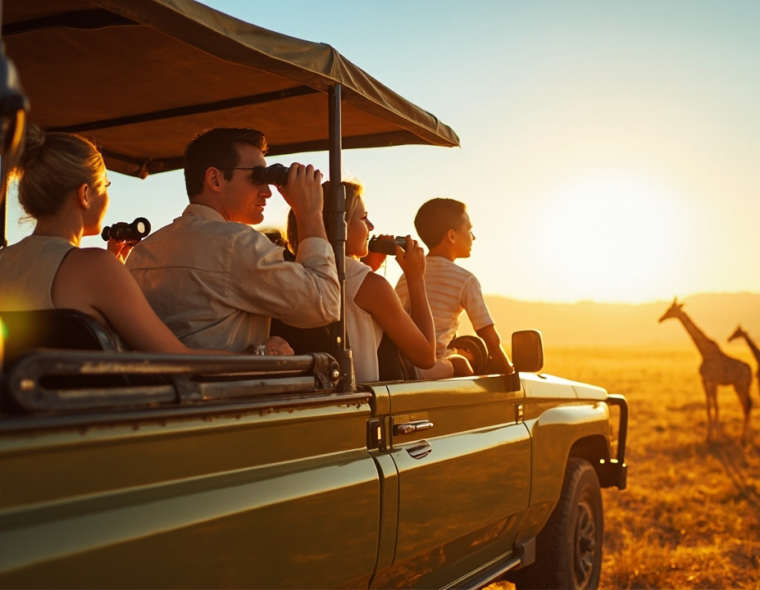
The best time to visit Kenya for wildlife safaris is during the dry season, which usually runs from June to October. This period is often regarded as the best months for an African safari for several reasons. First, during the dry months, there is very little rain, so water sources like rivers, watering holes, and dams become limited. Consequently, animals tend to gather around these few remaining sources of water, making it easier for safari-goers to spot a variety of animals in one place.
Another reason why the dry season is ideal is that the vegetation is much thinner compared to the rainy season. Without dense foliage, animals are not hidden from view, allowing travelers to easily see lions, elephants, giraffes, and many other animals in their natural habitat. Additionally, the roads are much easier to traverse during the dry months, so getting to the game reserves and national parks (like the Maasai Mara or Amboseli National Park) is less challenging, especially for those planning a Kenya trip.
An incredible highlight of visiting during this time is the Great Migration. This is when millions of wildebeest, zebras, and other animals migrate from Tanzania’s Serengeti to Kenya’s Maasai Mara, offering breathtaking scenes of animals crossing rivers and savannas. Visitors can enjoy prime viewing in August and September, which is considered the peak of the migration season.
While the dry season is popular due to these advantages, it is also a busy time for tourism. Accommodations can be more expensive and crowded, and safaris need to be booked well in advance. However, the unbeatable wildlife experience during this time of year makes it well worth the effort for many travelers.
Lake Nakuru National Park is a key stop on many Kenya safaris, especially for those traveling between Nairobi, Naivasha, Masai Mara, and Amboseli. Whether you’re planning a honeymoon, family safari, or a short day trip, the park offers an easy escape into nature. Located about three hours from Nairobi by road, it’s also reachable via a small airport in Nakuru. Most visitors choose car hire for flexibility, making it easy to reach scenic spots like Baboon Cliff, where you can enjoy panoramic views of the lake and wildlife below. The area is famous for its large flocks of flamingos, making it perfect for photography and birding safari trips.
Wildlife sightings include rhinos, giraffes, zebras, and baboons, with the occasional surprise of tree climbing lions, rare, but not impossible. The weather stays fairly mild, which makes camping and game drives pleasant throughout the year. Many travelers also extend their visit with a stop at Menengai Crater, one of the deepest volcanic features in the region, offering forest walks and hilltop views. Nearby boat rides on Lake Naivasha provide a peaceful contrast to the dry plains, giving you the chance to see hippos and birdlife from the water.
How does the Great Migration affect the timing of a safari in Kenya?
The Great Migration is one of the largest and most famous wildlife spectacles on Earth, significantly influencing when people choose to book safaris in Kenya. This massive movement involves over 1.5 million wildebeest, along with thousands of zebras and gazelles, migrating in search of fresh grazing lands. The migration takes place between Serengeti in Tanzania and the Maasai Mara in Kenya, making it one of the main draws to the region for an African safari experience.
In Kenya, the best months to see this incredible event are between July and October, when the herds are in the Maasai Mara. A particularly famous sight is the river crossings, often at the Mara River, where animals risk their lives to reach greener grass. Wildebeest and zebras must navigate steep riverbanks and waters filled with hungry crocodiles while predators like lions and cheetahs lurk on land. This dramatic and unpredictable spectacle makes for breathtaking wildlife safari experiences.
If your goal is to see the Great Migration, timing is everything. It’s important to note that the migration doesn’t follow an exact schedule, as it depends on factors like rainfall and food availability. For instance, if the rains end early in the Serengeti, the herds might arrive in Kenya earlier than expected, while unpredictable Kenyan weather could slightly delay their movement in other years.
Travelers interested in the migration should plan their trip during the key months and stay near the Maasai Mara Reserve. Some travelers even choose mobile camps that move with the herds to maximize their chances of witnessing the best parts of the migration. Planning and flexibility are key to fully experiencing the magic of this world-famous event.
What are the different seasons in Kenya, and how do they impact safari experiences?
Kenya experiences two main seasons: the dry season and the rainy season, both of which have a significant impact on safari experiences.
- Dry Season (June to October and January to February): The dry season is generally regarded as the best time for safaris. The weather is sunny and dry, making it pleasant for outdoor activities. Wildlife is easier to spot because animals gather around water sources, and the vegetation is less dense, reducing hiding spots. This season coincides with the Great Migration (July to October), so visitors flock to places like the Maasai Mara during this time. However, it’s also the high season, meaning larger crowds and higher accommodation prices.
- Rainy Season (March to May and November to December): The rainy season can be split into two parts: the long rains (March to May) and the short rains (November to December). During the long rains, heavy daily downpours can make some roads muddy and hard to navigate, and certain lodges in remote areas may close. However, this period is known as the low season, and safari prices are usually lower with fewer tourists. Additionally, the scenery during the rainy season is lush and green, making for beautiful landscapes and photography. The short rains in November are less intense and still offer good game viewing, especially in places like Amboseli, where animals are plentiful.
For birdwatchers, the rainy season is the best time to visit, as migratory birds flock to Kenya during these months. Additionally, the rains bring about the calving season, when many animals like zebras and antelopes give birth, attracting predators like lions. This offers visitors the chance to witness dramatic predator-prey interactions.
In conclusion, both seasons have unique advantages, and the “best” time really depends on travel priorities: whether it’s maximizing wildlife sightings, avoiding crowds, or benefiting from more affordable prices.
What is the dry season in Kenya, and why is it considered ideal for safaris?
The dry season in Kenya, which typically falls between June and October, is widely regarded as the best months for an African safari. During this period, the climate is cooler and less humid, resulting in very little rainfall compared to the rainy seasons. This lack of rain causes water sources such as rivers, ponds, and watering holes to become essential for wildlife, leading animals to gather around these spots. Consequently, this behavior makes it much easier for safari-goers to engage in wildlife spotting, as they don’t need to search extensively to find them.
Moreover, during the dry season, grass and vegetation become shorter and thinner, enhancing visibility for game viewing. Predators like lions, leopards, and cheetahs are also more easily observed as they hunt animals congregating near water sources. The dry conditions allow safari vehicles to access more regions, as the reliable dirt roads reduce the chances of getting stuck in mud, making it ideal for safari travel.
For instance, if you visit during this time, you might see an elephant herd gathering at a waterhole or spot a lioness hiding in short grass while stalking her prey. Parks such as Masai Mara, Amboseli, and Lake Nakuru are renowned for their incredible wildlife during this season, attracting many tourists eager to experience the wonders of East Africa.
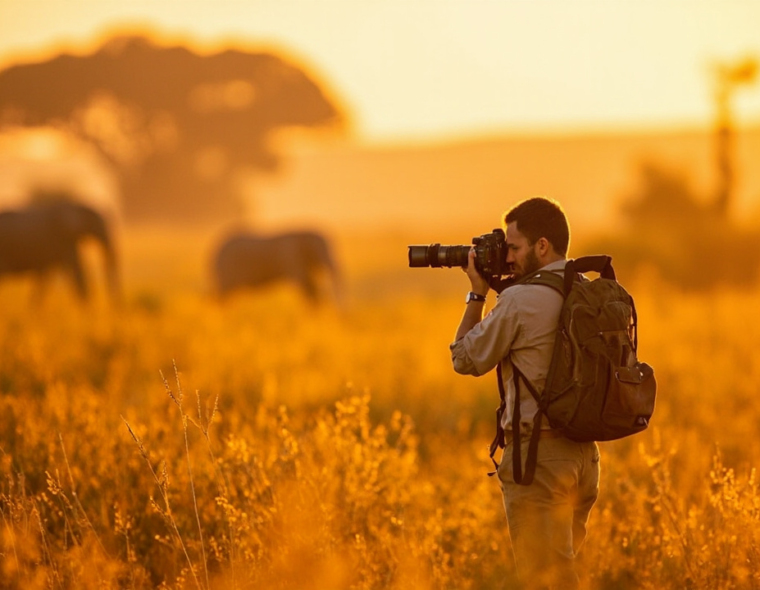
Additionally, the lack of rain benefits photography, as clear skies, abundant wildlife, and golden sunlight create the perfect conditions for fantastic photos. June through October also coincides with the Great Migration in the Masai Mara, where millions of wildebeest and zebras cross crocodile-infested rivers, making the dry season even more exceptional for wildlife safaris.
How does the rainy season affect game viewing and safari accessibility in Kenya?
Kenya’s rainy seasons occur during March to May (long rains) and November to December (short rains), which present both challenges and opportunities for an African safari. Heavy rains can make dirt roads muddy and difficult to navigate, meaning some areas become inaccessible to safari vehicles. Additionally, the lush, tall vegetation that flourishes during the rainy season can hinder wildlife spotting, as animals have more cover to hide in. For example, a leopard lounging in a tree or a lion stalking prey might be concealed behind long grass or thick bushes in the African bush.
Rain can also disrupt safari schedules, with unpredictable downpours potentially delaying game drives or complicating photography. Some travelers might find their overall experience less enjoyable if they’re caught in heavy rain while out in the open. However, the rainy season brings unique advantages too, especially for bird lovers. The landscapes during this time are incredibly lush and vibrant, providing a stunning green backdrop for photos. It’s also a great time for birdwatchers, as many migratory birds arrive in Kenya, making it a prime period for birding enthusiasts.
On the bright side, the rainy season brings unique advantages as well. The landscapes during this time are incredibly lush and vibrant, providing a stunning green backdrop for photos. It’s also a great time for birdwatchers, as many migratory birds arrive in Kenya. Moreover, it’s calving season for animals like wildebeests and zebras, so you might see adorable baby animals along with exciting predator-prey interactions as predators take advantage of the high number of vulnerable young.
Despite its challenges, the rainy season offers remarkable experiences for travelers who don’t mind a little unpredictability. Those who embrace the elements might find that the lush scenery and vibrant wildlife create unforgettable memories on their Kenya safari adventure.
Is it better to visit Kenya during the high season or the low season for safaris?
Whether the high season or low season is better depends on your priorities. The high season, which generally coincides with the dry season (June to October), offers ideal conditions for wildlife viewing, making it one of the best months for an african safari. It’s also when the Great Migration occurs, particularly in the Masai Mara region. Game is abundant, and spotting animals is easier due to the thinner vegetation and the tendency of animals to cluster around waterholes. However, the high season is also the busiest time. Popular parks and lodges can become quite crowded, and prices for accommodations and tours are higher.
The low season, which aligns with the rainy months (March-May, November-December), provides a more intimate safari experience. Fewer tourists mean quieter parks and lower prices for accommodations and packages, making it ideal for budget-conscious travelers who don’t mind the occasional rainfall. Additionally, the lush landscapes during this time are stunningly beautiful, and bird watching opportunities are at their peak. The low season is also the time to see baby animals during calving season, which can lead to fascinating predator-prey interactions, particularly in regions like Uganda.
For example, visiting during the high season might mean watching a lion chase a herd of wildebeests from the comfort of your safari vehicle in Masai Mara, while being surrounded by a few dozen other tourists. In the low season, you might enjoy the same experience without the crowds but under overcast skies and with the risk of muddy terrain.
Ultimately, the “better” season depends on what matters most to you: optimal game viewing and weather (high season) or quieter experiences and lower costs (low season) during your travels in Africa.
What are the peak months for safari tourism in Kenya?
Peak safari tourism months in Kenya are typically during the dry seasons of the year, particularly from June to October and January to February. These months are favored for African safari experiences because they offer ideal conditions for game viewing due to weather patterns and wildlife behavior. During the dry seasons, water sources like rivers and watering holes become scarce, forcing wildlife, including lions, elephants, zebras, giraffes, and many others, to congregate around these areas, making them easier to spot. The less dense vegetation improves visibility, and the clear skies create breathtaking photographic opportunities.
The period from June to October coincides with the arrival of the Great Migration in the Masai Mara. This migration is one of the world’s most incredible wildlife spectacles, where millions of wildebeest, zebras, and other animals move from Tanzania’s Serengeti into Kenya’s Masai Mara in search of greener pastures. The river crossings during this time, particularly over the Mara River, provide dramatic scenes of animals braving crocodile-filled waters, making it a prime time for wildlife spotting.
The period from June to October coincides with the arrival of the Great Migration in the Masai Mara. The Great Migration is one of the world’s most incredible wildlife spectacles, where millions of wildebeest, zebras, and other animals move from Tanzania’s Serengeti into Kenya’s Masai Mara in search of greener pastures. The river crossings during this time, particularly over the Mara River, provide dramatic scenes of animals braving crocodile-filled waters.
Regardless of when you visit during these peak months, this is also the most expensive and busiest time in Kenya for tourism. Safari lodges and camps may be fully booked months in advance, and prices for accommodation and tours can be significantly higher. Therefore, planning early is essential to secure availability for your Kenya trip.
In summary, the best months for an African safari in Kenya are during the dry season, where wildlife congregates around limited water sources, enhancing your chances of seeing spectacular wildlife. Whether you choose to visit during the Great Migration or the short dry season, you are sure to have an unforgettable experience in this renowned safari destination.
Are there specific regions in Kenya where the safari experience is better during certain times of the year?
Yes, different regions in Kenya offer better safari experiences depending on the time of year. This variation is directly tied to wildlife migrations, weather patterns, and local ecosystems.
One prime example is the Masai Mara National Reserve, which is best visited during the dry season months of July to October. During this time, the reserve becomes the stage for the Great Migration, where over a million wildebeest, accompanied by zebras and gazelles, make their dramatic river crossings. The scene is unparalleled in terms of drama and numbers. However, outside of these months, the Masai Mara is still home to excellent wildlife viewing all year round, as it has one of the highest concentrations of predators like lions, leopards, and cheetahs.
Another important region is Amboseli National Park, located near Mount Kilimanjaro. Amboseli is famous for its large elephant herds and stunning views of Kilimanjaro. The best time to visit Amboseli is during January-February and June-October, as animals tend to gather in the open swamps during the dry months, making them easier to spot.
In Lake Nakuru National Park, home to incredible birdlife like flamingos, the best viewing occurs during the wetter months when the water levels in the lake are higher. However, wildlife such as rhinos, lions, and leopards can be seen here year-round.
For a more off-the-beaten-path experience, consider Samburu National Reserve in northern Kenya. This semi-arid reserve is known for its unique species like Grevy’s zebras, reticulated giraffes, and gerenuks. It’s a good year-round destination, but wildlife viewing is particularly rewarding in the dry season (June-October), when animals gather near permanent water sources.
In summary, while Kenya offers exceptional safari experiences throughout the year, specific regions shine brighter at certain times, so planning based on the season and your goals is key to maximizing your trip.
How does the weather in Kenya influence wildlife behavior and visibility?
Weather in Kenya plays a big role in how wildlife behaves and how easy it is for safari-goers to spot animals. Because Kenya lies on the equator, it doesn’t experience the same four seasons as many other countries. Instead, it has wet (rainy) and dry seasons, which significantly influence wildlife movements, visibility, and overall safari experiences. The best months for an African safari in Kenya align with these seasonal changes.
During the dry seasons (June-October and January-February), water sources like rivers, lakes, and watering holes shrink. This forces animals to congregate in specific areas to drink, making it easier for safari-goers to spot a wide variety of animals in one place. Additionally, the dry season makes the landscape less green and dense, improving visibility. For predators like lions, cheetahs, and leopards, this season offers ample hunting opportunities, so chances of witnessing a hunt increase.
In contrast, during the rainy seasons (March-May and November-December), water is plentiful, and animals spread out across wider areas, moving away from the crowded waterholes. This can make wildlife harder to find. Also, with the rains, the vegetation grows lush and thick, which makes spotting animals more challenging. However, the scenery is breathtaking during the rains, with green landscapes and flowers in bloom, and it’s also the best time to see baby animals, as many species give birth after the rains.
The rainy weather also affects roads and accessibility in some parks, making it tricky to navigate muddy areas. Despite this, the wet season is excellent for birding, as migratory birds arrive in droves. For bird lovers, this is the perfect time to enjoy the beauty of nature.
In summary, dry seasons are better for easy wildlife visibility and accessibility, while rainy seasons are better for lush landscapes, birdwatching, and baby animals, though animals are harder to spot. Always consider how weather aligns with your safari priorities and plan your Kenya trip accordingly!
When and where is the best time to witness the wildebeest migration in Kenya?
The best time to witness the wildebeest migration in Kenya is between July and October, during the dry season. This migration is an incredible natural spectacle often dubbed “The Greatest Show on Earth.” It takes place within the Maasai Mara National Reserve, where millions of wildebeest, zebras, and other animals cross the Mara River from Tanzania’s Serengeti as they search for fresh grazing land. This event is a highlight of any African safari, showcasing the spectacular wildlife of the region.
The migration’s highlight is the dramatic river crossings at the Mara River, which are thrilling to watch. Wildebeests must face strong currents, steep riverbanks, and hungry predators, such as crocodiles and lions, in their effort to survive. These crossings are unpredictable, so visitors often spend hours observing a crossing waiting to unfold. However, patience pays because the sight is both breathtaking and unforgettable, making it a favorite for wildlife spotting enthusiasts.
This period is ideal because not only is wildlife abundant, but the dry season creates excellent conditions for safaris. The lack of rain ensures that the plains are not muddy, getting around is easier, and animals frequently congregate around rivers and waterholes, making them easier to spot. The Maasai Mara also has open landscapes, meaning visibility is exceptional for those on an African safari travel guide.
Keep in mind that due to this event’s popularity, it’s considered peak tourist season, so you’ll need to book safaris and accommodations well in advance. If you’d like a quieter experience, visiting either during June as the migration begins or November as the herds leave Kenya may be less crowded, allowing for a more intimate connection with nature.
Are there any events or festivals in Kenya that add to the safari experience during specific times of the year?
Yes, Kenya has several cultural events and festivals that can enhance your kenya safari experience, offering a deeper connection to the country’s traditions and lifestyle. One of the most notable festivals is the Lamu Cultural Festival, usually held in November. This takes place on Lamu Island, a UNESCO World Heritage Site, showcasing traditional Swahili music, poetry, dhow racing (traditional sailing boats), and a general celebration of coastal traditions. If your safari trip extends to Kenya’s coastline, this festival offers an excellent opportunity to combine wildlife experiences with rich cultural heritage, especially during the best months for an African safari.
Another prominent event is the Maasai Mara Marathon, which occurs annually in August around the Maasai Mara region. It is both a sporting and cultural event, allowing participants to run through the picturesque savannah while raising funds for local communities and conservation initiatives. This could be a fun addition to your safari experience if you’re interested in mixing adventure with social causes, particularly during the migration season when wildlife spotting is at its peak.
Kenya also celebrates Jamhuri Day on December 12th, marking its independence. During this time, you’ll witness parades, cultural performances, and parties across the country, reflecting the Kenyan spirit. If you plan your trip in early December, you could combine a safari in Maasai Mara, Amboseli, or Tsavo National Parks with these vibrant national celebrations.
Lastly, specific communities like the Maasai and Samburu also host traditional ceremonies, such as coming-of-age rituals, which can sometimes be arranged for tourists to attend. While these are not scheduled regular events, experiencing one during your safari offers unparalleled insight into Kenya’s indigenous cultures.
By planning your safari to coincide with these festivals, you get to enjoy Kenya not only through its wildlife but also through its people, traditions, and celebrations. Make sure to research dates and confirm events beforehand to ensure your itinerary aligns with what you want to experience during your travels.
How do accommodation prices and availability vary during different safari seasons in Kenya?
Accommodation prices and availability in Kenya vary significantly depending on the safari season, which is influenced by weather and wildlife activity. Generally, the year can be divided into high season (peak), shoulder season, and low season.
- High/Peak Season (July to October): This period coincides with the Great Migration and the dry season, making it the most popular time for safaris. Prices for lodges, tented camps, and even airfare are at their highest because demand greatly outweighs supply. Luxury accommodations in the Maasai Mara, for instance, are often fully booked months in advance. However, while costly, the benefits include excellent wildlife sightings and great weather conditions.
- Low Season (April to June): This season occurs during Kenya’s long rains. Strong and consistent rains make travel on muddy roads challenging and may also limit visibility during game drives. Due to lower tourist numbers, camps and lodges often offer substantial discounts, sometimes up to 50% less than during the peak season. However, options for accommodations may be limited as some camps close temporarily due to flooding. For budget-conscious travelers, this season could be an affordable way to experience Kenya if you’re willing to endure occasional rain interruptions.
- Shoulder Seasons (November and early December, March): Shoulder seasons are quieter and more affordable than the peak season but still offer great game viewing. Many animals remain active on the savannah, and the landscape is lush after rains. Accommodations are reasonably priced, and many lodges offer promotional deals to attract travelers. Availability is generally better than during the peak season, meaning you can find good options without months of planning.
In summary, for the best deals, visit during the low or shoulder seasons when crowds are fewer and prices lower. If you’re visiting during the peak season for events like the Great Migration, book early to secure accommodations at your preferred lodges.