What is a Kenya family safari, and what does it typically involve?
A Kenya family safari is essentially a vacation where the family explores Kenya’s natural landscapes and incredible wildlife together. Safaris focus on visiting game reserves, national parks, and other protected areas to see wild animals like lions, elephants, giraffes, zebras, and more in their natural habitat. It’s both an adventurous and educational trip, giving kids (and adults, too!) a chance to learn about wildlife conservation, different cultures, and the beauty of nature.
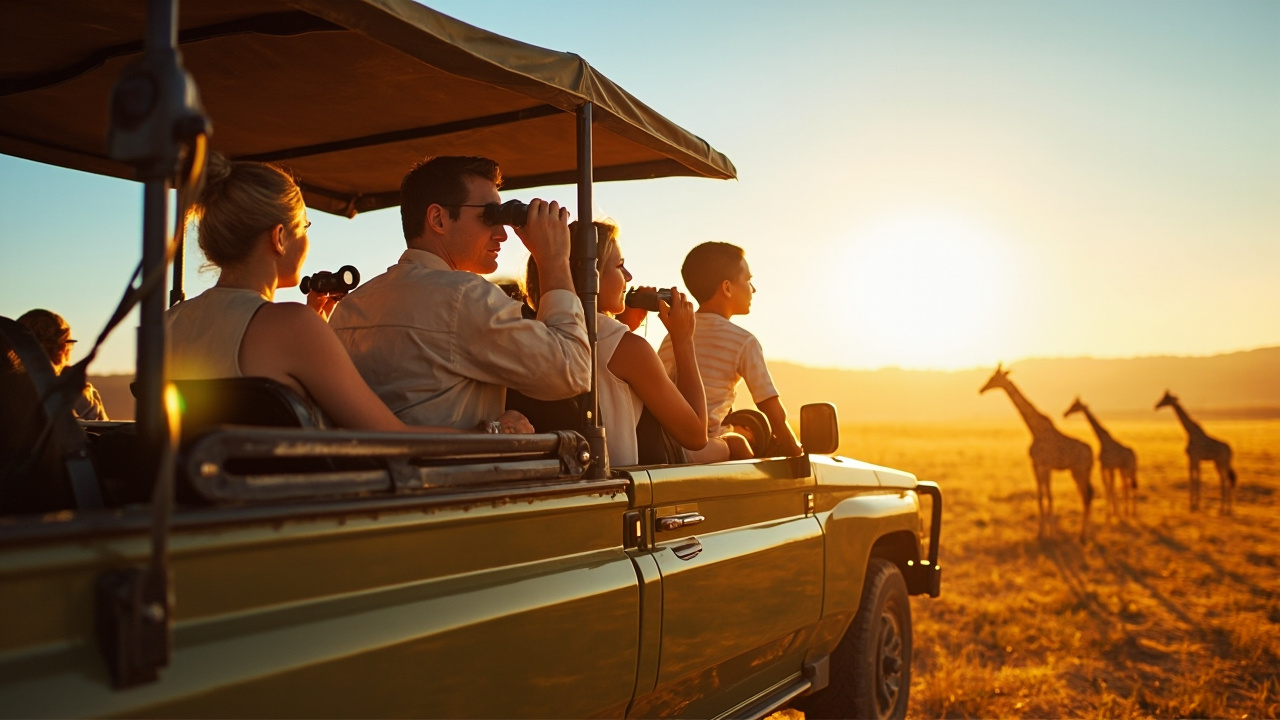
Typically, a Kenya family safari involves guided game drives. These are like road trips through the parks, but the goal is to spot wildlife in their natural environment. Families usually ride in specially designed safari vehicles with pop-up roofs so you can safely look out and take photos. There are also opportunities for bush walks with expert guides, which allow for a closer look at smaller creatures and plants that you might not notice during a drive.
Cultural experiences are also a big part of many family safaris. Families can visit local communities, such as the Maasai people, to learn about their traditions, dances, and ways of life. It’s a chance for children to connect with different cultures and understand the relationship between communities and wildlife.
Accommodations are family-friendly and often range from luxury lodges to tented camps. Trips can be customized to suit the preferences of young kids, teens, or adults. For example, lodges close to a park might work better for families with small kids to reduce travel time. Safaris also prioritize safety, making them accessible even for younger children.
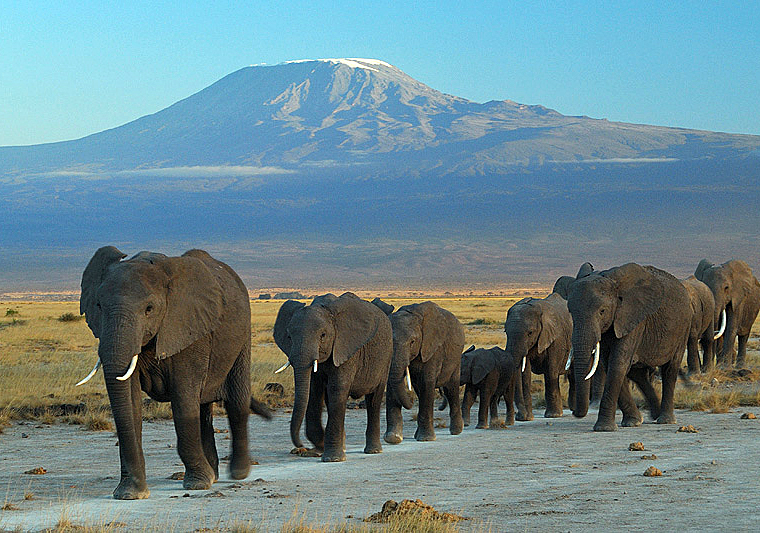
Imagine watching a herd of elephants cross the savannah at sunset with your family, it’s these magical moments that make a Kenya family safari unforgettable!
What are the best destinations in Kenya for a family-friendly safari?
Kenya is full of fantastic destinations for a family-friendly safari, and some are particularly well-suited for families with kids due to safety, accessibility, and the diversity of experiences. Here are three of the top spots:
- Masai Mara National Reserve: This is one of the most famous safari parks in the world. It’s an excellent place for families because of how plentiful the wildlife is, especially during the Great Migration. Every year, millions of wildebeests and zebras move across the savannah, followed by predators like lions, leopards, and cheetahs. The open grasslands of the Masai Mara make it easy to spot animals, so younger kids don’t have to wait too long to see something exciting.
- Amboseli National Park: This park is famous for its breathtaking views of Mount Kilimanjaro, Africa’s tallest mountain. Families can enjoy watching large herds of elephants up close, which is one of the highlights of Amboseli. The park also has wetlands and birdlife, so kids can see flamingos and pelicans. Amboseli is relatively easy to access and smaller, which makes it perfect for shorter safari trips with children.
- Lake Naivasha and Hells Gate National Park: If you’re worried about sitting in a vehicle all the time, this area offers a chance to get out and stretch your legs. Families can take boat rides on Lake Naivasha to see hippos and waterbirds, or explore Hells Gate National Park, where it’s safe to ride bicycles or take a walking safari. This makes it an active and engaging option for older kids and teens.
Other great destinations include the Samburu National Reserve for rare species like the Grevy’s zebra and giraffe, and Nairobi National Park, which is next to the capital city and offers safari experiences without requiring long drives into the wilderness.
What is the best time of year to go on a family safari in Kenya?
The best time to go on a family safari in Kenya is generally during the dry seasons, which occur from June to October and January to February. These months offer the best wildlife viewing and family-friendly conditions.
From June to October, Kenya experiences cooler, dry weather. This coincides with the annual Great Migration in the Masai Mara, where millions of wildebeests, zebras, and other animals migrate across the plains. It’s the ultimate safari experience and a hit with families because the chances of seeing predators like lions or cheetahs hunting are high. The dry season also means animals gather around waterholes, making them easier to spot. Plus, the lack of rain means roads are easier to navigate, which is an important factor if you’re traveling with kids.
The January to February time frame is another great option. The weather is generally warm and dry, and wildlife remains abundant. This is also a popular time for families on winter break or holiday vacations.
The rainy seasons, which occur from March to May (long rains) and November to December (short rains), are considered low season for safaris. While it’s true that wildlife can still be seen, the heavy rains make the roads muddy and harder to travel on. Families traveling with younger kids might find the rainy season inconvenient. However, if you’re on a budget, this off-peak season tends to have lower costs for accommodations and tours.
For an unforgettable family experience, plan your safari to align with school breaks or holidays during these dry times. This ensures you avoid bad weather and maximize wildlife sightings for an adventure your family will cherish forever!
Are safaris in Kenya safe for children, and what precautions should be taken?
Yes, safaris in Kenya can be safe for children, but certain precautions are necessary to ensure everyone in the family has a safe and enjoyable experience. Safari operators in Kenya are very experienced and often cater to families, offering child-friendly accommodations and guides trained to work with young travelers. However, keep in mind that safaris take place in the wild, so preparation and mindful supervision are key.
First, choose child-friendly safari lodges or camps, as these locations often have safety features like fenced perimeters or designated family areas. Some even have special programs designed for kids, such as wildlife education games or shorter game drives tailored to their attention spans.
Second, consult with your safari operator beforehand to select regions or parks that are more family-oriented. For example, some areas have seasonal malaria risks, so it might be better to stick to lower-risk destinations like Laikipia or the Aberdare region.
Vaccinations and medication are non-negotiable; ensure your children take the required malaria prophylactics. Use insect repellent, wear long-sleeved clothing in the evenings, and sleep under mosquito nets.
On game drives, follow guidelines strictly. Keep kids seated in the vehicle and remind them not to make sudden loud noises, as this can provoke wild animals like elephants or lions. A good guide will always ensure that you stay at a safe distance from wildlife.
Lastly, pack essentials such as snacks, water, sunscreen, and hats for your children. Safaris can involve long drives, and kids can sometimes get restless or hungry. Portable entertainment, like books or games, can also help.
With thorough preparation and choosing the right operators, safaris in Kenya can be a thrilling and safe educational adventure for children.
What wildlife experiences can a family expect during a Kenya safari?
A Kenya safari offers a treasure trove of wildlife experiences that are breathtaking for people of any age, including children. Families will have the chance to see animals up close in their natural habitats, bringing the wildlife stories from books and movies alive in unforgettable ways.
One of the highlights for families is witnessing the Big Five, lions, leopards, rhinos, elephants, and buffalo. For example, in the Maasai Mara, you might see lion prides lounging under trees or elephants walking in groups with their adorable calves. Kids often find these moments mesmerizing, and guides make it even better by sharing fun facts about the animals.
If you visit during the Great Migration (July to October), your family can see thousands of wildebeests, zebras, and antelopes crossing rivers while dodging crocodiles, a scene that feels like something straight out of a nature documentary.
Another exciting experience is spotting giraffes, which are fun and easy for kids to recognize, thanks to their long necks. Parks like Amboseli are also famous for large herds of elephants, often seen against the stunning backdrop of Mount Kilimanjaro.
For bird-loving families, Lake Nakuru or Lake Naivasha is ideal, with thousands of flamingos painting the shores pink and other bird species like pelicans and kingfishers.
Some safaris offer immersive experiences such as walking safaris (in safe, controlled areas) where kids can follow tracks or learn about smaller creatures like insects and plants, making it more hands-on and educational.
Through all of this, the guides play a big role in making things exciting for kids. They share animal stories and help children use binoculars to find their favorite animals in the wild. Whether it’s watching baby animals play or listening to hippos grunt by a waterhole at night, each safari day brings new and thrilling wildlife stories for families.
What types of accommodations are available for families on a Kenya safari?
Kenya offers a range of accommodations that cater to families, from luxurious lodges to budget-friendly tents. These accommodations are designed to provide comfort while blending seamlessly into the natural environment, making the safari experience both exciting and relaxing for everyone, including children.
For families seeking comfort and convenience, luxury safari lodges are a great option. These lodges often have spacious family suites or connecting rooms to allow for privacy. They are typically fenced or in safe areas, and many offer swimming pools, Wi-Fi, and special kids’ menus. Some examples include Serena Lodges and Sarova properties, which are known for excellent hospitality.
For families looking for something more adventurous, tented camps offer a unique experience. Tented camps are essentially very comfortable, fully-equipped tents that allow you to sleep under the stars while still having modern amenities like proper beds, bathrooms, and even electricity. Many tented camps are family-friendly and offer larger tents specifically for groups. Examples are Elewana Sand River and Kicheche Camps.
If your family prefers privacy, private safari houses or villas are available in some regions, especially in Laikipia or Maasai Mara. These are perfect for larger families or multi-generational trips. These houses often come with private chefs and guides, so you can create a custom schedule that suits everyone’s needs.
Budget-conscious families also have options in the form of self-catering cottages or campsites available in numerous parks. These may not be as luxurious but offer an authentic safari experience. For example, the Kenya Wildlife Service manages a variety of budget-friendly accommodations like bandas and campsites.
Many family-friendly accommodations also offer child-specific features, such as babysitting services, nature walks for kids, and shorter game drives to suit their schedules. Whatever your preference or budget, Kenya’s diverse safari accommodations ensure that all families can enjoy an unforgettable adventure.
How can one plan a Kenya family safari itinerary that suits different age groups?
Planning a Kenya family safari itinerary that caters to different age groups can be a fun yet challenging task, as you’ll want to ensure the experience is enjoyable and appropriate for young children, teens, parents, and even grandparents. Here’s how to do it step by step:
First, think about the ages of everyone in the group and what they can realistically handle. For young kids, plan shorter game drives that don’t last more than a few hours to prevent boredom or discomfort. Many safaris offer morning and late-afternoon drives, which work well for breaking up the day. For teenagers and adults, you can incorporate longer drives and activities that require more patience, like birdwatching or following specific animals.
Include a mix of activities that appeal to all ages. For instance, younger kids might enjoy hands-on activities like visiting animal sanctuaries (such as the David Sheldrick Elephant Orphanage in Nairobi), while teens and adults might prefer walking safaris or cultural visits to local Maasai villages. Be sure to balance the adventurous aspects with some downtime for relaxation, especially if younger kids or grandparents are involved.
When choosing accommodations, opt for family-friendly lodges or camps that cater to kids. Some locations offer activities specifically for children, like junior ranger programs or kid-friendly nature walks. For larger age groups, look into private safari vehicles so you can customize the game drive times and stops without having to share with other travelers.
Finally, work with a reputable safari operator to help you design an itinerary that fits your family’s interests, schedules, and energy levels. They can arrange transportation between parks (flying or driving), book accommodations suitable for families, and make sure the activities you select are engaging for everyone. Don’t forget to budget in travel breaks, on long travel days between parks, it’s helpful to have a rest stop or an enjoyable activity planned to keep everyone happy.
What are the costs associated with a family safari in Kenya, and are there budget options?
A Kenya family safari can range from affordable to luxurious, depending on your choices for accommodations, transportation, and activities. On average, expect to spend anywhere from $150 to $500 per person per night, but there are ways to make it work for different budgets.
Basic safaris for families often include staying in 3-star accommodations or campsites. These options are value-oriented but still very comfortable, with meal plans and guided game drives included. A budget option might cost $150 to $200 per person per day, and some camps even allow children to stay for free or at discounted rates. Keep in mind basic safaris may involve shared vehicles or group tours with other families.
If you’re looking for more flexibility and privacy, mid-range packages cost roughly $250 to $400 per person per day. These often include private vehicles, family lodges, or glamping-style tents that are spacious and kid-friendly. Many mid-range lodges offer special kid-friendly programs for a more enriched experience for children.
For luxury safaris, which can cost upwards of $500 per person per night, expect exclusive lodges or camps, completely private game drives, and added perks like personal chefs or expert guides. These are great if you’re planning a big family milestone trip or want a once-in-a-lifetime experience.
Don’t forget the additional costs like park entry fees (usually $60–$80 per adult per day and lower fees for children), tips, and optional activities like hot air balloon rides or cultural visits. Flights to Kenya and internal travel (like domestic flights between parks) also need to be included in your budgeting.
If you’re looking to save money, consider traveling during the “low season” (typically March to June) when accommodations and safaris offer discounts. Self-drive safaris are also a budget-friendly option for families who feel comfortable driving. Some lodges offer family packages with discounts for kids or added amenities to make it more affordable.
Are there any age restrictions or recommended minimum age for children on a safari?
Yes, there are some age considerations when bringing children on a safari. Most safari lodges and operators recommend a minimum age of 6 to 8 years old for game drives, while some camps and private lodges may even set the bar higher at 12 years old, especially for certain activities like walking safaris.
Why the restrictions? Safaris often involve long periods of sitting still in vehicles, and younger children might struggle with the patience or quiet required for game viewing. Additionally, wildlife encounters can be unpredictable, and operators prioritize safety, which is harder to guarantee with very young children.
However, there are family-friendly safaris designed for younger kids. For example, some lodges have shorter, kid-focused game drives or special child-centered activities like storytelling, nature walks, or animal-themed craft sessions. These allow younger children to engage with nature in ways that suit their age and attention spans. Many high-end lodges also provide childcare services so parents can participate in longer or more demanding activities without worrying about the kids.
If you’re traveling with a baby or toddler, some lodges accommodate families but might restrict young kids from specific game drives for safety reasons. In such cases, you might explore options like staying in family villas or combining light safari activities with stays in areas that offer other kid-friendly attractions, such as close proximity to Nairobi’s Giraffe Centre or Lake Naivasha’s boat rides.
If you have older kids (teens), the options really open up. They can participate in almost every activity, from guided walks to cultural village visits, and even longer game drives. Just make sure everyone understands safety rules, as curiosity can sometimes lead teens to push boundaries. Always communicate with the safari operator to ask about age-specific restrictions or accommodations before planning your adventure!
What activities, beyond wildlife viewing, are available for families in Kenya?
Beyond wildlife viewing, families visiting Kenya can enjoy a wide variety of activities that offer immersive cultural, adventurous, and educational experiences. These activities ensure that even when families take a break from game drives, there are plenty of ways to explore and connect with the country’s rich heritage and scenery.
One popular activity is visiting a local Maasai or Samburu village. This cultural experience allows families to learn about Kenya’s Indigenous communities, their way of life, traditional dances, beadwork, and even engage in meaningful conversations. Children especially may enjoy the opportunity to interact with Maasai children, trying local dances, or learning about traditional dwelling structures called manyattas.
For those who love being active, families can go on bush walks or nature hikes. These guided walks, often led by experienced naturalists, give insight into small creatures, plants, and the intricacies of nature that might be missed from a safari vehicle. For example, you might learn how certain plants serve as natural medicine or identify animal tracks and droppings in the wild.
If you’re near the Kenyan coastline, beach activities are a must! Destinations like Diani Beach or Watamu offer opportunities for snorkeling, swimming, dolphin watching, and even relaxing boat rides in the turquoise waters of the Indian Ocean. These trips provide a break from dusty savannas and allow children to experience a completely different side of Kenya.
Families can also visit conservation centers, such as the David Sheldrick Wildlife Trust or the Giraffe Centre in Nairobi. At Sheldrick’s, kids can watch baby elephants being fed and even adopt one as part of a conservation program. The Giraffe Centre allows close interactions, like hand-feeding giraffes, which can be unforgettable for young visitors.
Lastly, hot-air balloon safaris over the Maasai Mara provide a breathtaking experience for families with older children. Floating above the vast plains, spotting herds of animals from the sky, and capping it off with a bush breakfast is truly magical.
With these and more, Kenya offers enriching and exciting activities beyond just spotting wildlife, ensuring a trip full of lifelong memories.
What clothing, gear, and essentials should families pack for a Kenya safari?
Packing for a Kenya safari requires careful thought because you want to be prepared for the varying weather and activities while staying comfortable, especially as a family. Safaris usually involve early mornings, warm afternoons, and cool evenings, so layering is key.
Starting with clothing, opt for lightweight, neutral-colored clothes like khaki, brown, or green. These colors keep you cooler and blend in during game drives without alarming the animals. Long-sleeved shirts and pants are essential to protect against sunburn, mosquito bites, and scratches from bushes. A wide-brimmed hat and sunglasses are must-haves to shield your face from the sun.
For shoes, comfortable closed-toe walking shoes or hiking boots are ideal for bush walks. You might also want sandals for relaxing at your lodge or camp. For chilly mornings and evenings, pack a warm jacket or fleece, especially if you’re visiting during Kenya’s cooler season (June to August).
In terms of gear, binoculars are a crucial item for spotting wildlife far away. Families may also want to bring a good camera to capture stunning moments, along with extra batteries and memory cards. A small daypack for each family member can help carry essentials like water bottles, snacks, sunscreen, and a first-aid kit during outings.
Don’t forget essential toiletries and medications. Sunscreen, insect repellent, lip balm, and wet wipes are incredibly useful. If anyone in your family takes prescription medication, bring enough for the trip. It’s also good to pack anti-malarial medicine and basic over-the-counter remedies like painkillers or upset stomach relief.
Lastly, activities like visiting local villages or schools may require modest clothing to respect local customs. A scarf or shawl can come in handy here.
By packing light yet smart, families can ensure comfort, safety, and readiness to fully enjoy their Kenyan adventure.
How can families ensure a sustainable and responsible safari experience in Kenya?
Ensuring a sustainable and responsible safari experience in Kenya means making choices that protect the environment, support local communities, and minimize negative impacts on wildlife. As a family, this teaches important lessons to younger travelers about respecting nature and being mindful global citizens.
Firstly, choosing eco-friendly accommodations is a great start. Many lodges and camps in Kenya prioritize sustainability, using solar power, eco-friendly waste disposal, and water-saving methods. For example, some lodges are built with local materials, support nearby conservation projects, and employ locals to provide economic benefits to the community. By staying at these places, families can directly support sustainable tourism.
When on safari, families should follow wildlife-viewing rules to avoid disturbing animals. This means keeping a safe distance, staying quiet, and not feeding wild animals. Feeding animals can disrupt their natural behaviors or even make them dependent on human food, which can be dangerous for them in the long run. Talk to children about how these guidelines protect the animals they’re so excited to see.
Additionally, families can support local communities by participating in ethical tourism activities. Buying crafts directly from artisans, such as beadwork from Maasai women, helps provide income to communities. Visiting schools or villages (when invited) can contribute to deeper cultural understanding, but it’s important to visit respectfully, without treating local people as “attractions.”
A key part of being responsible is reducing waste. Avoid single-use plastics, carry reusable water bottles, and leave no litter behind. Kenya banned plastic bags in 2017, so families should also pack reusable bags for shopping or carrying items.
Lastly, consider supporting reputable conservation organizations, either by visiting them or donating. For example, the David Sheldrick Wildlife Trust takes care of orphaned elephants, and donations help continue this work.
By making mindful choices, families can enjoy a meaningful safari that protects Kenya’s natural beauty and cultural heritage for future generations.
Lake Nakuru National Park is a favorite stopover for those on Kenya safaris, whether you’re planning a honeymoon, a short day trip from Nairobi, or a longer family safari combining nearby parks like Masai Mara, Naivasha, and Amboseli. Known for its rich wildlife and scenic lake views, it’s especially popular for bird lovers thanks to its flocks of flamingos and vast birding safari opportunities. You can reach the park by road in under three hours from Nairobi or fly into the nearby airport in Nakuru town. Many travelers prefer car hire to move around the park freely and stop at key viewpoints like Baboon Cliff, where the lake stretches out below in calm colors.
Besides birdlife, Lake Nakuru offers sightings of white and black rhinos, buffalo, waterbucks, and baboons. While tree climbing lions are rare here, visitors often report surprises on early morning drives. If you’re extending your trip, a visit to the nearby Menengai Crater is well worth adding for its panoramic views. The weather is mild most of the year, making it ideal for camping, game drives, and photography. You can also enjoy a relaxing boat ride on nearby Lake Naivasha to round out your stay with a different view of Kenya’s lake country.