The Masai Mara National Reserve, often simply referred to as the Masai Mara or “the Mara,” is one of the most renowned wildlife reserves in the world, making it a premier Kenya safari location. Nestled in the southwestern region of Kenya, it shares a border with Tanzania, and is an extension of the Serengeti National Park. Together, these parks create a vast area of connected ecosystems where extraordinary wildlife can roam freely, showcasing the best of Africa’s natural beauty.
Named after the Maasai people, a local community celebrated for their vibrant culture, the term “Mara” translates to “spotted” in the local dialect. This name aptly describes the landscape, where acacia trees and bushes punctuate the open grasslands, giving it a spotted appearance from afar. The Masai Mara spans approximately 1,500 square kilometers (580 square miles) and offers an incredible opportunity for safari adventures, featuring an abundance of wildlife, including lions, giraffes, hippos, and zebras.
The Mara River, which flows through the park, is particularly famous for the Great Migration, where wildebeests traverse the plains in large herds, often leaping through crocodile-infested waters. Safari goers from around the world flock to the Masai Mara to witness this breathtaking spectacle and experience the unmatched beauty of Africa’s wilderness.
What makes the Masai Mara National Park special compared to other safari destinations?
The Masai Mara is special because it offers one of the most iconic and dramatic wildlife experiences in the world, particularly through its famous Masai Mara safari tours. If you’ve ever seen a documentary about lions, cheetahs, or the Great Migration, chances are it was filmed in the Masai Mara! One reason it stands out is the sheer variety of animals you can see in one place. It’s home to the ‘Big Five‘ animals that people dream of seeing: lions, elephants, rhinos, leopards, and buffalo. However, it’s not just about the Big Five, zebras, wildebeests, cheetahs, giraffes, and hundreds of bird species also thrive here, making it a top wildlife destination.
What really makes it unique is the phenomenon called the Great Migration. Every year, millions of wildebeests, zebras, and gazelles migrate from Tanzania’s Serengeti into the Masai Mara National Reserve in search of food and water. This journey is popular among tourists because it involves dramatic scenes like river crossings, where the animals risk their lives to escape hungry crocodiles. No other safari destination offers something quite like this, especially for those seeking extraordinary wildlife sightings.
Another reason the Masai Mara is special is how close you can get to the action. Guides in the park are incredibly skilled, so you often find yourself just a few meters away from lions lounging in the grass or elephants walking past your jeep. The wide-open landscapes also make it easy to spot animals from far away, enhancing your safari adventure experience.
Lastly, the Masai Mara isn’t just about the wildlife; it’s also about the people. Visitors can meet the Maasai communities who live nearby, experiencing their traditional ways of life, their jumping dances, and their bright red clothing. This makes the Masai Mara a place where culture and nature combine in a way that feels magical.
What is the best time of year to visit Masai Mara National Park?
The best time to visit the Masai Mara is during the dry season, which runs from July to October. This period coincides with the Great Migration, making it the most popular time for tourists seeking a Masai Mara safari experience. During the migration, millions of wildebeests, zebras, and gazelles cross from Tanzania into Kenya while being pursued by predators like lions and crocodiles. If you’ve ever seen videos of animals leaping into a river full of crocodiles, that’s the Masai Mara during this thrilling time!
Since it’s the dry season, there is less water in the park, leading to animals gathering around rivers and waterholes, which makes it easier for safari goers to find and observe them. The shorter grass also enhances wildlife spotting, allowing visitors to see magnificent creatures such as cheetahs and African bush elephants more clearly.
For those looking to avoid the crowds yet still experience abundant wildlife, visiting during the shoulder seasons, either June (just before the migration starts) or November (right after it ends), is a great option. During these quieter times, the park remains vibrant with wildlife, offering a unique perspective on the African wilderness.
While July to October is the most famous travel window, the Masai Mara is a year-round destination. Kenya’s wet season, from March to May, is called the “green season.” This is when the park is lush and beautiful, and it’s an excellent time to see birds and baby animals, as many species give birth during this time. However, it can rain heavily, which might make some roads muddy or hard to drive on.
In summary, July to October is ideal for witnessing the Great Migration and abundant wildlife, but each season in the Masai Mara offers something unique depending on your interests.
What types of wildlife can be seen during a safari in the Masai Mara?
The Masai Mara is one of the most famous wildlife destinations in the world, and the variety of animals you can see here is incredible. The park is located in Kenya and is part of the larger Serengeti ecosystem, meaning it supports a huge range of wildlife species in their natural habitat. One of the park’s main attractions is the “Big Five”: lions, leopards, elephants, rhinos, and buffalos. These five animals are considered the most “iconic” African safari animals, and the Masai Mara is one of the best places to spot them.
Besides the Big Five, you’ll also encounter many other exciting animals. Cheetahs, for example, are often spotted in the grassy plains where they hunt their prey. Grazing animals like zebras, giraffes, wildebeests, and gazelles are everywhere, and they provide food for the many predators in the park. Hippos and crocodiles can often be seen in the Mara and Talek Rivers, particularly during the wildebeest river crossings that happen during the Great Migration.
The birdlife here is just as impressive, with over 500 species recorded. You can see everything from the massive ostrich to colorful birds like lilac-breasted rollers or majestic raptors like eagles and vultures.
If you’re lucky, you might even spot some rare creatures such as servals (a type of wild cat), pangolins, wild dogs, or honey badgers. The wide-open savannas and expert guides make it easy to spot all kinds of animals, ensuring that every safari in the Masai Mara feels like a special adventure.
What is the Great Migration, and how does it relate to the Masai Mara?
The Great Migration is one of the most amazing natural events in the world and a huge reason why the Masai Mara is so famous. Every year, millions of animals, mostly wildebeests, but also zebras and antelopes, travel across the Serengeti ecosystem in search of fresh grass and water. This migration creates a giant loop between Tanzania’s Serengeti National Park and Kenya’s Masai Mara National Reserve, making it a premier Kenya safari location.
What makes the Great Migration truly spectacular is its scale. Imagine seeing a massive line of thousands of animals stretching as far as your eye can see! These animals are constantly on the move because they’re following the rains. In the Masai Mara specifically, the migration usually happens between July and October. During this time, the animals move to the Mara in search of fresh grazing, as this area has lush grass and water during the dry season, attracting many safari goers eager for extraordinary wildlife sightings.
One of the most dramatic parts of the Great Migration happens in the Masai Mara: the river crossings. This is when herds of animals cross the crocodile-filled rivers like the Mara River. It’s incredibly intense and dangerous for the animals. Not all of them make it because crocodiles are waiting, and the strong currents can pull some of them underwater, showcasing the raw beauty of the African wilderness.
For visitors, the Great Migration is a must-see event. Watching so many animals in motion, along with the interactions between predators like lions, cheetahs, or hyenas and their prey, offers unforgettable memories. This migration shows the struggle of nature on a massive scale, and the Masai Mara gives you a front-row seat to all the action, making it one of the top wildlife destinations in Africa.
What types of safari experiences are available in the park (e.g., game drives, walking safaris, hot air balloon safaris)?
The Masai Mara offers an amazing variety of safari experiences, each one providing a unique way to explore the park and see its wildlife. Whether you want to watch animals up close, enjoy the view from the sky, or learn about the environment on foot, there’s something for everyone.
One of the most popular options is the game drive. This is when you travel through the park in a safari vehicle with a guide, searching for animals. Game drives usually happen early in the morning or late in the afternoon, which are the best times to see wildlife because animals are more active. These drives can last a few hours, and guides know where to find the animals, from lions lounging in the grass to elephants wandering through the savanna.
Another exciting option is a hot air balloon safari. Imagine floating high above the plains at sunrise, looking down on herds of animals as they graze or roam. The views are breathtaking, and it’s a chance to see the Masai Mara from a completely different perspective. At the end of the ride, many tours include a special breakfast in the bush.
For a more immersive experience, you can try a walking safari. These are guided hikes where you explore the park on foot, often in smaller, less crowded areas. A walking safari is not about seeing the big predators up close but more about learning how the ecosystem works, spotting birds, plants, and maybe smaller animals such as antelopes. It’s a quieter, more personal way to connect with nature.
Other activities include night safaris (in private conservancies around the park), where you can see nocturnal animals, and birdwatching tours for those who love spotting unique bird species. Some safari packages also offer cultural tours where you visit nearby Maasai villages to learn about the local culture.
Each experience gives you a different way to appreciate the beauty of the Masai Mara, making your visit truly unforgettable.
How do I get to the Masai Mara National Park?
Getting to the Masai Mara National Park is fairly straightforward, but it requires some planning. Masai Mara is situated in Kenya, East Africa, and you typically start your journey in Nairobi, Kenya’s capital city. Nairobi is where most international flights land, specifically at Jomo Kenyatta International Airport (NBO).
From Nairobi, you have two main options to get to the Masai Mara: by air or by road.
Option 1: Flying to the Masai Mara
The quickest and most convenient way to reach the park is by plane. Small regional airlines, such as Safarilink or AirKenya, operate flights from Nairobi’s Wilson Airport (separate from the international airport) to one of the small airstrips in or near the Masai Mara. The flight takes about 45 minutes to 1 hour and provides breathtaking views of the Kenyan savannah.
Once you land at the airstrip, your safari lodge will usually arrange for a transfer to their property. Many lodges are located just 15–30 minutes from the airstrips.
Option 2: Driving to the Masai Mara
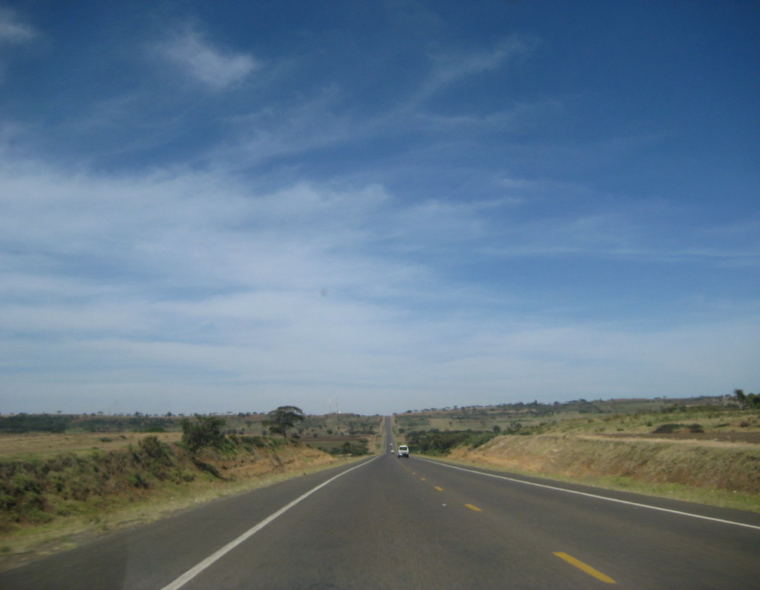
If you prefer a more budget-friendly or adventurous option, you can drive from Nairobi to the park. The road distance is approximately 240 kilometers (150 miles), but driving takes about 5 to 6 hours due to rough and bumpy roads in the area near the park.
The drive is worth it because you get to see Kenyan countryside landscapes along the way. Typically, you’ll either hire a private driver, take part in a guided tour, or drive yourself if you’re confident. However, self-driving is not recommended unless you’re experienced, as the roads can be challenging to navigate.
Example of Planning:
Let’s say you’re visiting for a 4-day safari and staying at a luxury lodge. You could catch a morning flight from Nairobi, get picked up at the airstrip by the lodge’s SUV, and begin exploring the park within hours.
Ultimately, the choice of transport depends on your time, budget, and sense of adventure.
What accommodation options are available within or near the park (lodges, camps, etc.)?
Masai Mara offers a wide range of safari accommodation options, whether you’re seeking luxury, a comfortable mid-range stay, or a budget-friendly option. You can choose to stay within the Masai Mara National Reserve or just outside its gates. Let’s break down the options.
1. Luxury Lodges and Camps
These are high-end accommodations with all the comforts you’d expect from a fancy hotel, like cozy beds, gourmet meals, private bathrooms, and sometimes even private plunge pools. They’re great if you want to experience the wilderness without giving up modern amenities.
Examples:
- Angama Mara: Offers breathtaking views from its hilltop location and luxurious tents.
- Mara Serena Safari Lodge: Known for its beautiful design inspired by the Maasai culture.
2. Mid-range Lodges and Tented Camps
If you want comfort without a hefty price tag, mid-range lodges or permanent camps are ideal. They often have en-suite bathrooms, delicious food, and professional staff, but tend to be simpler than luxury options.
Examples:
- Basecamp Explorer: Environmentally friendly with tents along the Talek River.
- Fig Tree Camp: Offers treehouse-style accommodations and a riverside vibe.
3. Budget Campsites and Basic Lodges
If you’re traveling on a budget, there are basic camping options. These could involve bringing your own tent, staying in a simple rental tent, or staying in minimalist lodges outside the park. Basic options don’t sacrifice the thrill of waking up to the sounds of nature!
Examples:
- Mara Springs Safari Camp: A basic but clean and comfortable camp.
- Miti Mingi Eco Camp: A no-frills budget option close to the Sekenani gate.
Why Stay Inside the Park vs. Outside?
- Inside the park: Costlier but saves time as you’re closer to the action. Early morning game drives are more convenient.
- Outside the park gates: More affordable and offers cultural experiences with local villages, but getting to the park each day might take longer.
In short, there’s something for every traveler in the Masai Mara safari, whether you want extravagance, comfort, or simplicity.
Are safaris in the Masai Mara suitable for families and children?
Yes, safaris in the Masai Mara National Reserve can absolutely be suitable for families and children, but it depends on how well the safari itinerary is planned to ensure extraordinary wildlife sightings.
Child-Appropriate Activities
Many safari lodges and camps in the Maasai Mara offer family-friendly activities designed specifically for kids.
- Junior Ranger Programs: Kids can learn about wildlife, track animal footprints, or spot birds.
- Cultural Visits: Children can meet Maasai people, learn beadwork, or join in traditional dance.
- Nature Walks (Safe Ones): Some lodges offer short, safe nature walks to teach kids about plants and small animals.
Age Restrictions on Safaris
Most traditional game drives involve long hours in a vehicle looking for wildlife, which might not suit very young children (toddlers or babies). To address this, family-friendly lodges sometimes offer shorter drives or activities for young kids, such as play areas or babysitting services.
Some lodges have age minimums for certain activities, so check in advance. For example, walking safaris often require participants to be at least 12 years old for safety reasons.
Facilities for Families
Many lodges in the Masai Mara National Reserve offer family accommodations, including tents or rooms with multiple beds, and some even feature swimming pools for cooling off between safari adventures.
Safety for Families
Safety is a priority during your masai mara safari. Guides and rangers ensure you’re following the rules, like staying in the safari tour vehicles and maintaining a safe distance from the abundant wildlife. However, it’s good to prepare your kids about the importance of staying calm and quiet during game drives.
Example:
If you’re traveling with a 10-year-old, you could stay at a lodge where they can take part in a mini-ranger program. They might spot giraffes on a game drive in the morning and visit a Maasai village in the afternoon.
If planned thoughtfully, safaris can become an unforgettable family experience, educational, exciting, and unique!
What should I pack or bring for a Masai Mara safari?
When planning a Masai Mara safari, it’s crucial to pack thoughtfully, as your comfort and overall experience will rely on having the right items. The Maasai Mara in Kenya boasts a unique climate and environment, making your packing strategy different from a typical vacation. Here’s a breakdown of what you should bring for this extraordinary wildlife adventure.
1. Clothing:
- Neutral-colored clothes: Pack beige, khaki, or olive-green clothing because bright colors can disturb the animals. Plus, these colors help you blend into the environment better.
- Layered outfits: Morning game drives are often chilly, but it gets warm in the afternoon. Dress in layers so you can add or remove clothing depending on the temperature.
- Hat and sunglasses: The African sun is intense, so a wide-brimmed hat and sunglasses with UV protection are essential.
- Comfortable shoes: Sturdy, closed-toe shoes or hiking boots are great since you might walk on uneven terrain.
- Light rain jacket: If traveling during the rainy season, a lightweight jacket can come in handy.
2. Safari Essentials:
- Binoculars: A pair of binoculars is a must to get a closer look at wildlife that might be far from your safari vehicle.
- Camera: You’ll want to capture the amazing sights. Bring a good camera with extra batteries and memory cards. Long lenses are great for wildlife photography.
- Daypack: A compact backpack is useful for carrying your daily essentials like water, snacks, sunscreen, and personal items.
3. Personal Items:
- Sunscreen and insect repellent: Protect yourself from the strong sun and bugs like mosquitoes.
- Reusable water bottle: Staying hydrated is crucial. Many safari camps provide filtered water for refills.
- Travel medication: Include malaria prophylaxis, a small first aid kit, and any medications you regularly take.
- Power bank or adapter: Some areas might have limited access to power outlets, so a power bank can ensure your devices stay charged.
4. Other Useful Items:
- Guidebook or wildlife checklist: It’s fun to identify the animals you see and learn more about them.
- Scarf or buff: To keep dust out of your face, especially on bumpy drives.
- Notebook and pen: If you love writing, jot down the amazing things you see so you can remember every detail.
- Snacks: If you get hungry between meals, pack some non-perishable snacks like energy bars.
Packing light for your masai mara safari will enhance your safari adventure!
Are guided tours necessary, or can I explore the park independently?
When it comes to the Masai Mara, guided tours are highly recommended and often necessary for several important reasons. While self-exploration is allowed in some African parks, the Masai Mara’s abundant wildlife and unique dynamics make going with professional Maasai guides the better option.
1. Guides Know Where to Find the Wildlife:
The Masai Mara is vast, and without guidance, it may be challenging to locate the animals you want to see. Guides have years of experience and are often in touch with other guides via radio. They know where lions, cheetahs, elephants, and other animals were last spotted. This saves you time and increases the chances of seeing incredible wildlife.
For example, if you’re searching for a leopard in the underbrush, a guide can direct you to look in the right spots, something you’d likely miss on your own.
2. Safety Comes First:
Wild animals can be dangerous, which is why professional Maasai guides are trained to keep you safe during your Masai Mara safari. They understand how close you can get to extraordinary wildlife like African bush elephants or lions without putting you in harm’s way, ensuring a memorable safari adventure.
3. In-Depth Knowledge:
Guides don’t just drive you around, they’re experts in wildlife, ecosystems, and the culture of the area, especially during a masai mara safari. They’ll share interesting facts, stories, and insights that make the experience richer, such as the family dynamics of African bush elephants in the greater masai mara ecosystem.
4. Park Rules and Regulations:
The Masai Mara, a premier Kenya safari location, has specific rules about where you can drive, park, or walk. Professional Maasai guides are trained to follow these rules and ensure that conservation efforts in this extraordinary wildlife habitat are respected.
5. Practical Challenges:
Driving in the Masai Mara requires a 4×4 vehicle since some areas have rugged terrain or muddy roads, especially during the rainy season. Driving yourself might be stressful if you’re not experienced with off-road conditions. Additionally, navigation can be tricky without a guide.
In summary, while independent exploration may sound appealing, joining a guided tour enhances your experience by ensuring safety, convenience, and learning opportunities. Most safaris in the Masai Mara are structured around professionally guided tours, and for this specific park, it’s the best way to enjoy the beauty and wonder of the region.
What are the cultural experiences available, such as interacting with the Maasai people?
Visiting the Masai Mara safari isn’t just about wildlife; it’s also an opportunity to immerse yourself in the rich Maasai culture. The Maasai are a semi-nomadic people who have lived in Kenya and northern Tanzania for centuries, known for their vibrant traditions and colorful clothing. Engaging with their culture during your safari tour enhances the experience in this extraordinary region.
1. Village Visits (Manyattas):
One of the most popular cultural experiences is visiting a traditional Maasai village, known as a manyatta. Here, you can see how the Maasai live, including their homesteads made of cow dung and clay. You’ll also learn about their daily routines, such as cattle herding, which is central to their way of life.
For example, you might observe how they milk their cows or make fire using sticks, a skill passed down through generations.
2. Dances and Songs:
The Maasai are famous for their traditional dances and songs, often showcased during a Masai Mara safari. You’ve likely seen images of the Maasai adumu or “jumping dance,” where young men jump straight up into the air as a display of strength and stamina. These performances aren’t just for tourists; they are an important part of their culture and rituals, enriching the safari experience for visitors exploring the greater Maasai Mara ecosystem.
3. Learning About Maasai Clothing and Jewelry:
The Maasai are instantly recognizable by their colorful shukas, the red and blue checked blankets they wear, which are a part of the rich cultural heritage of the Maasai Mara. You can learn why red is significant (it symbolizes courage and strength) and see how they craft their intricate beadwork, often showcased in local markets during a Maasai Mara safari. Maasai women frequently sell handmade jewelry, providing a way to support their community while bringing home a unique souvenir from your safari adventure.
4. Educational Stories and Talks:
Many lodges and camps in the Masai Mara organize talks with friendly Maasai guides or warriors who share stories about their history, customs, and relationship with the environment. These stories provide insight into how they live harmoniously with the abundant wildlife.
5. Guided Nature Walks:
Some Maasai warriors also offer guided nature walks, providing safari goers with insights about the plants, animals, and ecosystems of the Maasai Mara. It’s a chance to experience the land through the eyes of local Maasai guides who have lived there for generations.
The Maasai and Tourism:
Although tourism is a key source of income for the Maasai, their participation is more than economic, they see it as a way to protect their culture and educate others about their way of life. However, when visiting, it’s important to ensure that your cultural experience is respectful and ethically organized. Look for opportunities that genuinely benefit the Maasai community.
Experiencing Maasai culture is a way to connect with Kenya on a deeper level, beyond just the animals. It’s an unforgettable reminder of the human stories that live alongside the wildlife in the Masai Mara.
Lake Nakuru National Park offers a scenic and rewarding stop for those on Kenya safaris, conveniently located between Nairobi, Naivasha, Masai Mara, and Amboseli. It’s a great choice for a day trip, romantic honeymoon, or relaxed family safari. Reaching the park is easy, just three hours by road from Nairobi or via the nearby Nakuru airport. Many visitors prefer car hire for flexibility while exploring. The lake is famous for its vast gatherings of flamingos, drawing people interested in photography and birdlife. It’s also a major highlight for anyone on a birding safari thanks to the sheer number of species.
Inside the park, visitors often stop at Baboon Cliff to take in open views across the lake and surrounding grasslands. Wildlife is abundant, with sightings of rhinos, buffalo, zebras, and baboons. Though rare, there have been reports of tree climbing lions, especially in early morning hours. The weather stays mild throughout the year, making it comfortable for game drives, camping, or a quiet lunch in one of the picnic spots. If you’re looking to explore more, Menengai Crater is nearby and offers a scenic extension to your trip. A boat ride on Lake Naivasha also adds a peaceful waterside element to the safari experience.