
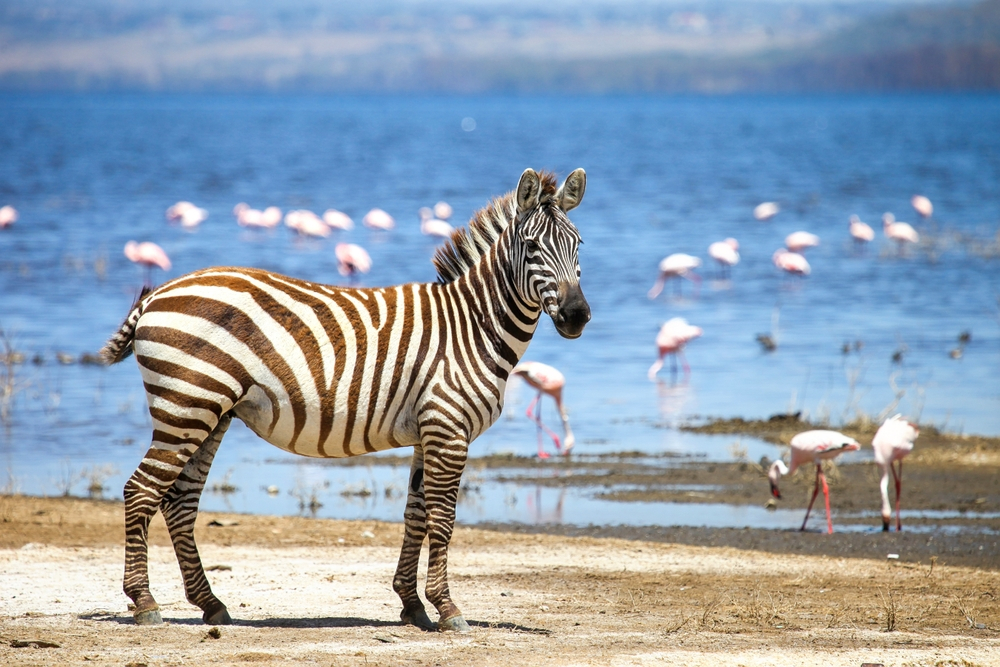
Welcome to Lake Nakuru National park located in the Great Rift Valley North-west of Nairobi city. The National Park is home to over 400 bird species and over 50 animal species that are found in the different habitats found in the different parts of the National Park. The park is the first National Park in Kenya to have a Rhino sanctuary that is home to both the white and black Rhino which have been declared by the IUCN as endangered species. The Game drive will be done in a 4×4 land cruiser with an open roof to allow the tourist easily view the animals.
The full-day trip safari to Lake Nakuru National Park will include Lunch, park entrance fees, an experienced tour guide, Game drives around the National Park, bottled water and transportation to and from the National Park. It will however not include tips, Visas and beverages. You should also note that the full-day safari trip to Lake Nakuru National park is an exciting experience as you can participate in the different activities carried out around the National Park.
The highlights
Drive to Lake Nakuru National Park from your hotel or to the airport.
Get clear views of the Great Rift Valley as you drive to the park and when you get there.
Enjoy a game drive where you get to see the animals and bird species that are found in the National Park.
Drive back to your hotel in Nairobi or the airport.
Activities that can be carried out on your day trip safari include:
Game drives: these are carried out all year round but the best time is during the dry season/drier months of the year. The animals in the Park are best seen during the dry season because the grass is shorter and withered. Some of the animals that you get to see while on your game drives include warthogs, buffalos, leopards, lions, zebras, giraffes, Black and white Rhinos, elands and hyenas among others.
Birding: this is best done during the wet season when the migratory birds join both the endemic and non-endemic birds that live within the National Park. Some of the bird species that you should look out for include the lesser flamingo, greater flamingo, Dark chanting Goshawk, greater spotted eagle, steppe eagle, Augur Buzzard, booted eagle, brown snake eagle, Wahlberg’s eagle, lappet-faced vulture, long-crested eagle, Imperial eagle, Eurasian marsh harrier, crowned eagle, Eastern imperial eagle, black-tailed godwit, grey-headed woodpecker, Abyssinian thrush, Black-winged Lapwing, Arrow marked babblers, great snipe, Northern vulture, slender-billed Greenbuls, Rupell’s robin-chat, lesser flamingos, greater flamingos, sooty falcon, brimstone canary, red-capped lark, Grey-crested helmet-shrike, Kenya Rufous sparrow, eastern imperial eagle, Bateleur, white-headed vulture, shining sunbird, Northern puff back and Montane white-eye among others.
Full day trip to Lake Nakuru National Park
6:30 am to 7:00 am: you will be picked up from your accommodation in Nairobi early morning by our driver guide and you will be briefed about what to expect on the drive to the National Park before setting off. The drive from Nairobi to Nakuru is just 2 and half hours away and the first thing that will welcome you is Nakuru Lake with huge crowds of Flamingos both on the water and on the banks. Note that pickup hours are extremely important because they determine the amount of time that you get to spend on your safari drive when you get to the National Park.
9:00 am to midday: upon arrival at the National Park, you will enjoy a morning game drive where you get to see numerous wildlife ranging from different bird species to the animals that are always at the banks of Lake Nakuru and in the open grasslands. Lunch will be served either at a picnic place or in one of the lodges located within the National Park before embarking on the afternoon drive.
2:00 pm to 3:30 pm: the afternoon drive will start immediately after lunch and the number of animals available will highly determine when we leave the National Park back to Nairobi. We will depart from the National Park at 4:00 pm and you will be dropped off at your desired destination in Nairobi.
Park entrance fees
You will be required to pay park entrance fees to the National Park and this is paid at the entrance of the National and the fees are only valid for 24 hours.
EAC citizens adults 860kshs
Children 215kshs
Foreign non-residents adults $60
Children $35
Foreign residents adults 1030kshs
Children 515kshs
The reason why you should book with us your day trip to Lake Nakuru National Park is that you will create beautiful and everlasting memories, get a front seat t every activity carried out around the National Park, have experts take you through your drive and a safe and clean environment within our safari vehicles is guaranteed.
The tourist will need to have a negative PCR for COVID-19, keep a distance from the animals, wear a mask in case you have flu or cough and keep all the SOPs that were put in place to protect both you and the wildlife.
The day trip to Lake Nakuru National Park is available all year round and it can only be booked after you pay the first initial price of the total cost of the safari and the final payment has to be done before the day of the trip. No cash will be allowed so you will have to pay using direct bank transfers, Mpesa and Visa cards among others.
Cancellation policy.
If you cancel at least 14 days before the safari day, you will not be charged a cancellation fee.
Cancellation at 13 to 3 days before the D-day warrants a 5o% cancellation fee on your deposited amount.
Canceling 2 days to the safari day or not showing up will warrant a 100% fee on your initial deposit.
The day trip to Lake Nakuru National Park is perfect for tourists who have limited time on their safari and have plans of visiting other safari destinations in the country. Book your day rip now and experience all that Lake Nakuru National Park has to offer.
What is the best way to get to Lake Nakuru National Park for a day trip?
Lake Nakuru National Park is located in Kenya, near Nakuru Town, which is about 160 kilometers (approximately 99 miles) northwest of Nairobi, the country’s capital. The best way to get there for a day trip depends on your starting location, preferences, and budget.
If you are coming from Nairobi, most people prefer to drive. It takes roughly 3 hours by car, depending on traffic and road conditions. The primary route is the Nairobi-Nakuru Highway. This is a major road that is mostly well-maintained, making it a convenient option. You can either self-drive if you’re familiar with Kenyan roads or hire a private car with a driver. Hiring a private vehicle is a good idea for visitors who aren’t used to driving in Kenya, as local drivers will know the roads and traffic rules better. You can also rent a four-wheel-drive car (4×4), especially if you want a better vehicle for exploring the park’s internal dirt roads.
Alternatively, you can join an organized day trip. Many tour operators in Nairobi offer packages that include transportation to the park, park entry fees, and even a guide to make your visit easier. This option is great if you prefer not to worry about logistics.
For budget travelers, public transport can be used. You can take a matatu (shared minivan taxi) or bus from Nairobi to Nakuru Town, which is cheaper but less comfortable. Once in Nakuru Town, you could hire a taxi or bodaboda (motorbike taxi) to take you to the park. However, this could take much more time and effort, so it’s not ideal for a day trip.
A final option for those short on time is to fly. There’s a small airstrip in Nakuru, and some domestic airlines provide charter flights from Wilson Airport in Nairobi. Though fast, this is often expensive and less common for day trippers.
What are the park’s opening hours and entry fees?
Lake Nakuru National Park generally opens at 6:00 AM and closes at 6:00 PM every day, including weekends and public holidays. These strict hours ensure that the park remains a protected area, and no one is allowed to enter or stay beyond these times unless they are staying at park lodges or campsites. Therefore, if you’re planning a day safari, aim to arrive as close to 6:00 AM as possible to maximize your wildlife experience.
As for entry fees, charging is done per person. For non-resident tourists (international visitors), the fees are typically higher than for East African residents and citizens. As of recent updates, non-resident adults pay approximately $60 USD per person, while children aged 3-11 pay about $35 USD. Residents of Kenya or East African Community countries usually pay around KSh 1,000-2,000 for adults and KSh 215 for children.
These fees might vary depending on the Kenya Wildlife Service (KWS) rules, so it’s always prudent to confirm current rates before visiting. Many tour operators include the entry fee in the cost of their package, so if you’re booking a full day excursion, double-check whether the fee is already covered.
Payment is usually streamlined for convenience. Visitors can pay via cashless systems (like credit or debit cards or mobile money services such as M-Pesa), as KWS prefers non-cash payments. Make sure all entry fees are settled at the gate before entering.
Lastly, keep in mind that additional costs like vehicle entry fees might apply if you’re driving into the park. These fees also depend on whether your vehicle is private or part of a tour group, impacting your overall travel preferences.
What is the best time of year or day to visit Lake Nakuru National Park?
The best time to visit Lake Nakuru National Park depends on what you hope to experience on your day safari. Generally, the park can be visited comfortably year-round, and the highlight of a Lake Nakuru trip is typically the wildlife and spectacular landscapes. Timing your visit well can significantly enhance your overall wildlife experience.
If you’re considering the time of year, the dry season (from June to late September, as well as January to February) is the best time to visit. During these dry months, animals tend to gather around water sources, making them easier to spot. Furthermore, the roads within the park are in better condition during these times, as they’re not muddy or slippery from rain. The rainy seasons (March-May and October-December) are less ideal for game viewing, as the animals are more dispersed, but if you’re a bird enthusiast, this is when migratory bird species arrive, offering excellent opportunities for birdwatching.
As for the time of day, early morning and late afternoon are generally the best times to visit. The park opens at 6:00 AM, and arriving early has its advantages: wildlife is most active in the early morning before the heat of the day sets in. This is also the best time to catch predators like lions on the prowl and herbivores grazing in the cool air. Similarly, late afternoon (around 4:00-6:00 PM) is another prime window because animals start to emerge from the shade as the temperatures cool down.
Midday is usually less productive for wildlife viewing as the heat often drives animals to hide or rest in shaded areas. However, it can still be a great time for photography, especially around the lake’s shores, as the light softens, and the water provides dreamy reflections.
What are the main attractions or highlights of the park?
Lake Nakuru National Park in Kenya is a remarkable destination with plenty of highlights, making it a must-visit for nature lovers. One of the main attractions is Lake Nakuru itself, a shallow soda lake that often appears beautifully pink due to the presence of thousands, sometimes even millions, of renowned flamingos. These flamingos are drawn to the lake because of its algae, their primary food source. It’s a stunning, picture-perfect scene that attracts photographers and travellers from all over the world, making it a popular spot for a day tour.
Another key highlight of the park is its rich wildlife diversity. Lake Nakuru National Park is home to the big five minus two, meaning you’ll find lions, buffaloes, and leopards, but no elephants or rhinos. However, the park compensates by having a thriving population of endangered white and black rhinos, which are a major highlight for many visitors seeking a unique wildlife experience.
The scenic viewpoints within the park are breathtaking too. For instance, the Baboon Cliff offers a panoramic view of the lake and its surroundings, making it a great spot for photography or taking in the serene landscape. Another beautiful spot is Lion Hill, which also offers stunning views of the park, perfect for those looking to capture the essence of their safari.
Lastly, one uniqueness of the park is its waterfalls, the Makalia Falls. This area is tranquil and adds to the variety of experiences Lake Nakuru has to offer. The combination of dramatic landscapes, distinct wildlife, and vibrant birdlife makes the park a truly special destination for all types of travellers.
What wildlife can be expected to be seen during a day trip?
Lake Nakuru National Park is bursting with wildlife, and visitors can expect to see plenty during a single day trip. One of the park’s most exciting highlights is its rhinos. The park is a sanctuary for both black and white rhinos, which are commonly spotted grazing in open areas or near the water. This makes it a fantastic destination for anyone hoping to see these magnificent creatures in the wild.
You’re also likely to spot big cats like lions, which are often seen lazing under trees, and if you’re lucky, you might catch a glimpse of a leopard, which is more elusive but resides in the park.
Buffaloes are abundant and can often be seen in groups grazing in the grasslands near the lake. The same goes for zebras, which are usually seen either in groups or wandering along open fields within the park.
One of the distinctive species to look out for is the Rothschild’s giraffe, an endangered subspecies easily recognizable by its white legs that resemble knee-high socks. These giraffes are unique to certain regions in Kenya, making their presence in Lake Nakuru extra special for travelers.
Baboons and other primates can also be seen in abundance, especially near Baboon Cliff or the forested areas. They’re playful and curious but also a bit mischievous, so it’s wise to keep a close eye on your belongings.
Finally, wildebeests, impalas, and waterbucks are common sightings along with the occasional warthog scuttling across the plains. The park is packed with wildlife, making every turn of your safari an exciting and unpredictable adventure.
Are there any specific bird species that are commonly spotted at the lake?
Lake Nakuru is a birder’s paradise and one of the most famous birding destinations in the world. The centerpiece of the park’s birdlife is, without question, the greater and lesser flamingos. These birds turn the edges of the lake into a sea of pink as large flocks congregate to feed on the algae that thrive in the alkaline waters of the soda lake. However, the presence of flamingos does vary depending on water levels, as they prefer shallower waters for feeding.
Beyond flamingos, Lake Nakuru is home to over 450 bird species. Another notable bird to look out for is the pelican, particularly the great white pelican, which can often be seen gliding above the water or resting in groups near the lake.
The African fish eagle is another common sight, often seen swooping down to catch fish from the water or perched majestically on a tree. These eagles, along with cormorants, show just how dynamic the bird population in the park can be.
In the surrounding grasslands and acacia forests, you’re likely to encounter species such as the yellow-billed stork, hamerkop, and the stunningly colorful Malachite kingfisher. Even ground birds like the helmeted guineafowl and ostriches are occasionally spotted roaming the park.
Lake Nakuru National Park is also a haven for raptors, with vultures, falcons, and hawks being fairly common. For bird enthusiasts or even casual wildlife watchers, the diversity of bird species at Lake Nakuru ensures there’s always something exciting to observe.
Is it necessary to book a guided safari or can visitors explore on their own?
Lake Nakuru National Park offers both options for a perfect safari, so you can choose what works best for you. A guided safari is not strictly necessary, but it is highly recommended for first-time visitors or those unfamiliar with the area. When you book a guided safari, you’ll be accompanied by an experienced guide who knows the park well. These guides are experts at spotting wildlife, explaining animal behavior, and ensuring you have the best possible wildlife experience. For instance, they may know which areas are most likely to have lions resting or where the renowned flamingos gather.
If you decide to explore on your own, it’s still a great experience, but it might be harder to locate certain animals or understand their behavior. You’ll need to drive yourself in a vehicle that can handle the park’s terrain, which is usually dirt roads. Self-driving gives you the freedom to move at your own pace and stop wherever you’d like within the designated areas. However, you’ll need to follow park rules, stay on marked paths, and keep a safe distance from the animals.
A practical consideration is safety. Guides have experience handling situations with larger animals like rhinos or buffalos, whereas self-drivers need to exercise extra caution. If you’re confident, enjoy adventure, and are well-prepared, self-driving may be a good option. However, for a hassle-free, educational experience, booking a guided safari is worth the extra cost.
Example:
If wildlife spotting is your main goal and you want to see elusive animals, a guide might help you spot a leopard camouflaged in a tree. A self-driver, on the other hand, could easily miss this!
What are the recommended packing essentials for a day trip to the park?
When visiting Lake Nakuru National Park for a day trip, it’s important to pack practical items so you’re comfortable and prepared for your adventure. Here are the key essentials:
1. Clothing: Wear neutral-colored, lightweight clothing that’s suitable for the bush and helps you blend in with the surroundings. Bring a hat or cap to protect yourself from the sun, sunglasses, and a light jacket for cooler mornings or evenings.
2. Comfortable Shoes: Sturdy and comfortable shoes are essential, especially if you plan to step out of the vehicle in designated areas, like viewpoints or picnic spots.
3. Sunscreen and Bug Repellent: The African sun can be intense, so sunscreen (SPF 30 or higher) is a must. Also, pack a bug repellent to protect yourself from mosquitoes and other insects, especially near the water.
4. Binoculars and Camera: Lake Nakuru is known for its incredible wildlife and birdwatching opportunities. A good pair of binoculars will help you see animals in the distance, and of course, bring a camera or smartphone for photos.
5. Reusable Water Bottle and Snacks: Staying hydrated is crucial! Bring plenty of water in reusable bottles to reduce trash. Although there are picnic areas, snacks like energy bars or fruit are handy in case you feel hungry while driving around.
6. Guidebook or Map: If you’re self-driving, a map or guidebook about the park helps you navigate and understand what you’re seeing. Some visitors also bring a birdwatching book specific to the area.
7. First Aid Kit: It’s always good to have a basic first aid kit, with items like band-aids, antiseptic, and medicine for headaches or allergies.
8. Rain Gear (Seasonal): If you’re visiting during the rainy season, a small umbrella or a lightweight raincoat could be very useful.
Are there food and drink facilities available within the park, or should visitors bring their own?
Yes, there are food and drink facilities inside Lake Nakuru National Park, but it’s still a good idea to pack your own snacks and water for your day safari. The park has designated picnic areas and a few lodges, such as Sarova Lion Hill Game Lodge and Lake Nakuru Lodge, that have restaurants where you can enjoy meals or refreshments after a thrilling wildlife experience. These lodges are well-maintained, offer tasty local and international cuisine, and provide a relaxing atmosphere if you’d like a proper sit-down meal.
However, if you’re not planning to stop at one of the lodges or are on a tight schedule during your day tour, bringing your own food and drinks is the way to go. Snacks are especially handy because you’ll be driving or exploring for long stretches without immediate access to facilities. Remember that proper hydration is crucial, especially under the sun, so carry plenty of water.
If you do plan to bring your own food, be mindful of the park rules. Only eat in designated picnic areas, not in random spots within the park, as leaving food scraps can harm the animals. Make sure to collect all your trash and take it with you when you leave the park to help preserve its natural beauty.
Example:
If you’re traveling with kids, packing their favorite snacks might make the trip more enjoyable and prevent unnecessary stops. You could also opt for reusable containers to minimize waste, such as a cooler box with pre-packed sandwiches and fruits.
Are there specific rules or regulations visitors should know about while in the park?
Yes, there are several important rules and regulations that visitors should follow while visiting Lake Nakuru National Park, or any wildlife-protected area, to ensure their safety and the protection of the animals and environment.
Firstly, always stay inside your vehicle unless you are at designated picnic sites or observation points. This is essential for your safety, as many animals can be dangerous or unpredictable, and stepping outside the vehicle puts you at serious risk.
Another key rule is sticking to the marked roads and tracks. Off-road driving is prohibited because it damages the park’s delicate environment, including plants and animal habitats. For example, driving off-road could destroy nests or uproot smaller plants that animals rely on for food or shelter.
Feeding the animals is strictly forbidden. While it might be tempting to feed the baboons or birds, doing so can alter their natural behavior, making them reliant on human food or, worse, aggressive towards visitors. For example, in areas where animals like baboons are used to being fed, they may start approaching cars and potentially harming visitors.
Maintaining silence or keeping your noise level low is also important. Loud noises can stress the animals, disrupt their behavior, and ruin the serene experience for others in the park. Always respect the natural peace of the area and turn off loud music or honking.
Proper waste disposal is another huge focus in the park. Leaving litter behind could harm the animals or pollute the environment. For example, birds might eat plastic thinking it’s food, which could cause serious health issues for them. Always take your trash with you or use designated bins.
Lastly, respect the park regulations regarding speed limits (usually around 40 km/h or less). Driving too fast can not only disturb animals but also result in accidents, especially since wildlife often crosses roads unexpectedly.
By following these rules, you can enjoy the park responsibly, protect the wildlife, and ensure that future generations get to experience the same beauty.
How much time should one allocate to experience the park fully on a day trip?
To experience Lake Nakuru National Park fully on a day trip, it’s recommended to allocate at least five to six hours within the park. This allows enough time to explore the key attractions, see the famous wildlife, and enjoy the breathtaking natural scenery.
If you’re starting your journey from Nairobi, accounting for travel time is important; it takes roughly 2 to 3 hours to drive to Lake Nakuru National Park depending on traffic. To maximize your time, it’s a good idea to leave early in the morning, around 5:30 or 6:00 a.m., so that you can get to the park right when it opens (usually at 6:00 a.m.). Early mornings are also one of the best times to spot active wildlife, as many animals are feeding or roaming before the heat of the day sets in.
Once in the park, a typical day trip might include visiting some of the major attractions like Baboon Cliff, which offers stunning panoramic views of the lake and surrounding area. This is a great spot for photography or a short picnic break. You’ll also want to leave time to drive along the shores of Lake Nakuru itself to spot flamingos and other bird species.
During your visit, you’ll encounter a variety of animals such as rhinos, giraffes, zebras, and possibly lions or leopards in the less crowded areas of the park. Spending more hours increases your chances of seeing these creatures.
One thing to note is that most visitors leave the park around 2:00 or 3:00 p.m. to return to Nairobi before traffic increases. However, staying longer until around sunset (6:00 p.m.) can give you a chance to see animals once they become more active again in the cooler evening hours.
Basically, dedicating the majority of your day to Lake Nakuru makes the trip worthwhile while allowing you to enjoy the wonders of the park at a relaxed pace.
Are there nearby locations or activities to explore after visiting the park?
Yes! Lake Nakuru National Park is located in the Great Rift Valley region of Kenya, which is surrounded by several other fascinating places and activities that you can explore after your visit to the park. Here are a few examples:
- Menengai Crater Just a short drive from Lake Nakuru, this dormant volcanic crater is a great spot for hiking or enjoying breathtaking views of the Rift Valley. It’s one of the largest volcanic craters in the world and offers a chance for more adventurous exploration. Local guides are available to take you around, and you can learn about the crater’s history and legends.
- Hyrax Hill Prehistoric Site This is an archaeological site located just outside Nakuru town. Visitors can learn about the region’s ancient human history, including artifacts from early human settlements. It’s a quick stop but very educational for those interested in history and archaeology.
- Lake Naivasha If you have extra time in the region and enjoy nature-based activities, you can head to Lake Naivasha, about an hour’s drive from Nakuru. Here, you can go on a boat ride to see hippos and a variety of water birds up close. Crescent Island, a small sanctuary at the lake, allows you to walk among giraffes, zebras, and other animals.
- Hell’s Gate National Park Also near Lake Naivasha, Hell’s Gate is unique because it allows visitors to walk or bike through the park. You can explore dramatic cliffs, geothermal steam vents, and gorges. It also inspired the scenery of Disney’s The Lion King movie.
- Local Nakuru Town Markets If you’re looking for a more cultural experience, visiting the markets in Nakuru town allows you to shop for fresh produce, souvenirs, and local crafts.
These options make for great additions to your Lake Nakuru visit and give you a taste of the rich natural and cultural diversity of Kenya’s Rift Valley region. Plan your time wisely, as it’s easy to spend several extra days exploring these nearby treasures!
Lake Nakuru National Park is a well-loved destination for anyone planning Kenya safaris, perfectly located between Nairobi, Naivasha, Masai Mara, and Amboseli. Whether you’re on a family safari, a romantic honeymoon, or a quick day trip, the park offers a peaceful setting with easy access by road or through the Nakuru airport. Most visitors choose car hire to explore the park at their own pace, stopping at key spots like Baboon Cliff for wide views of the lake and grasslands. The shoreline often glows pink with thousands of flamingos, making it one of the most rewarding places for photography and a must-visit on any birding safari route.
Wildlife sightings include white and black rhinos, giraffes, baboons, and zebras, with a chance of seeing tree climbing lions during early drives. The weather stays pleasant for most of the year, making it ideal for camping, slow-paced game drives, and relaxed nature stops. A visit to nearby Menengai Crater adds a touch of volcanic scenery with its forest trails and sweeping views. To round off the trip, many travelers enjoy a boat ride on Lake Naivasha, where hippos and birdlife add a quiet, riverside finish to a safari filled with variety and charm.

