
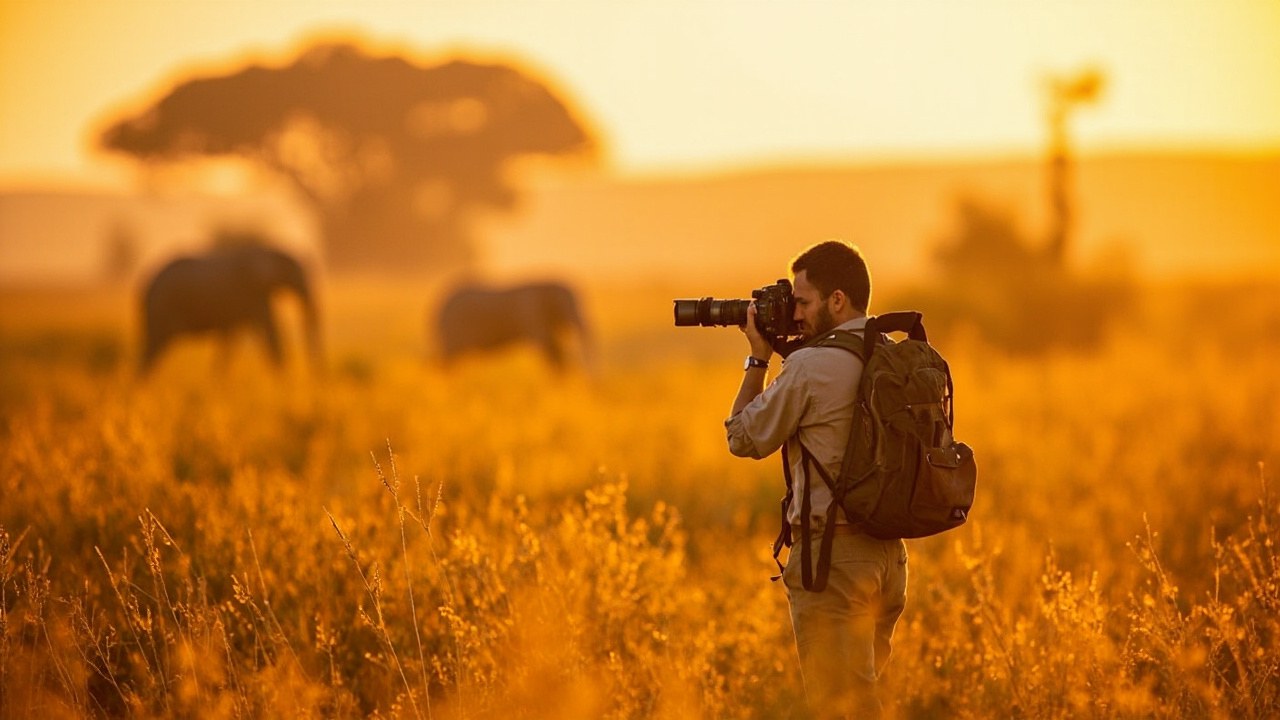
What is a Kenya photo safari and what makes it unique?
A Kenya photographic safari is a special kind of trip designed for photography enthusiasts eager to capture incredible images of wildlife, landscapes, and the rich culture of Kenya. Located in East Africa, Kenya is one of the most popular wildlife photography destinations in the world for safari travel, offering amazing opportunities to see wild animals like lions, elephants, giraffes, and zebras in their natural habitats.
What makes a Kenya photo safari unique is the sheer diversity and abundance of wildlife. This country is home to the “Big Five” animals: lions, leopards, elephants, rhinoceroses, and buffaloes. Additionally, photographers have the chance to witness the Great Wildebeest Migration, where millions of wildebeest, zebras, and other animals traverse the Serengeti and Maasai Mara in search of food and water. This natural spectacle is one of the greatest on Earth and offers an unforgettable wildlife experience for photographers.
In addition to the wildlife, Kenya offers stunning, varied landscapes. The savannas of the Maasai Mara, the snowy peaks of Mount Kenya, the arid deserts in the north, and the beautiful lakes like Lake Nakuru and Lake Naivasha all create jaw-dropping backdrops for photos. Plus, you can also encounter cultural elements, like the Maasai people, who are known for their vibrant clothing and unique way of life.
The tailored nature of photographic safaris makes them even more special. Expert safari guides and drivers accompany photographers, ensuring you capture the best angles and lighting for your shots. With Kenya’s rich ecosystem, you’ll never run out of photographic opportunities, from playful leopard cubs to breathtaking sunsets over the savanna. It’s truly a paradise for wildlife photographers!
What are the best destinations in Kenya for photography during a safari?
Kenya is full of incredible safari destinations, but some places stand out for photography because of their unique wildlife, landscapes, and opportunities for the perfect shot. Here are the most renowned destinations:
- Maasai Mara National Reserve: This is, hands down, the best spot for wildlife photography. It’s home to vast populations of lions, cheetahs, elephants, giraffes, and more. If you visit between July and October, you can photograph the Great Wildebeest Migration as the animals cross the Mara River while trying to avoid crocodiles. It’s breathtaking!
- Amboseli National Park: Amboseli is famous for its dramatic views of Mount Kilimanjaro (in neighboring Tanzania) that serve as a towering, snow-capped backdrop to the wildlife. Elephants roam here in large herds, creating iconic photo opportunities.
- Lake Nakuru National Park: This park is perfect for bird lovers and photographers. It’s known for its huge flocks of flamingos that wade through the shallow waters of the lake, turning it pink. The park also has rhinos, leopards, and other wildlife.
- Samburu National Reserve: Located in the semi-arid northern part of Kenya, Samburu offers unique wildlife that cannot be found in other areas, like the Grevy’s zebra and the Somali ostrich. The desert-like landscape and its remote feel make it a photographer’s dream.
- Tsavo National Parks (East and West): These parks are massive and less crowded, so they are ideal if you want iconic photos without too many people around. Tsavo is famous for its “red elephants” that roll around in red volcanic soil, creating stunning imagery.
- Lake Naivasha: While it’s a freshwater lake, it offers varying habitats like wetlands and woodland. You can get incredible shots of birds, hippos, and even giraffes and zebras on its shore.
Each destination offers something different for photographers, so the best choice depends on your goals. For instance, if you want predators, Maasai Mara is ideal. If you’re into landscapes mixed with wildlife, Amboseli’s Mount Kilimanjaro is unbeatable. And for birds or rare animals, Lake Nakuru or Samburu is perfect. Many safaris combine multiple locations so you can maximize your experience and get lots of variety in your photos!
Which animals and landscapes can be expected to photograph in Kenya?
Kenya is famous for its incredible biodiversity, which means you can expect to photograph a mix of fascinating animals and breathtaking landscapes.
On the animal front, the Big Five are the most sought-after species. This includes:
- Lions: You may see them lounging in the grass, stalking prey, or even playing with cubs.
- Leopards: They are more elusive but beautiful; spotting one in a tree is a photographer’s highlight.
- Elephants: Large herds can be found, especially in Amboseli. Watching them walk across the plains with Mount Kilimanjaro behind them is truly iconic.
- Rhinoceroses: Both black and white rhinos can be found in places like Ol Pejeta and Lake Nakuru.
- Buffaloes: Often seen in groups, they’re a staple of Kenya’s wildlife.
Other animals include zebras, giraffes, wildebeest, cheetahs, hippos, crocodiles, and hyenas. Birdlife is outstanding too, with flamingos, eagles, ostriches, and hornbills all being commonly photographed. Kenya’s biodiversity makes it a paradise for capturing action, like a cheetah chasing prey, or calm moments, like a giraffe grazing at sunset.
As for landscapes, expect incredible diversity. The savannah plains of the Maasai Mara are the classic safari image: golden grasslands stretching endlessly under blue skies. Amboseli brings a completely different vibe, with Mount Kilimanjaro looming in the distance and marshy wetlands where you might see elephants bathing.
In contrast, the Great Rift Valley is dotted with dramatic escarpments, volcanic craters, and dazzling lakes like Nakuru and Naivasha. Up north, places like Samburu have a more rugged, dry, desert-like beauty with vibrant sunsets.
This means every corner of Kenya offers different tones, colors, and wildlife for your photography. You can shoot morning mists in the Mara, hues of pink and blue at Lake Nakuru, or fiery sunsets over Samburu. With such spectacular options, you’re guaranteed an amazing variety of photos!
What is the best time of year for a photo safari in Kenya?
The best time of year for a photographic safari in Kenya largely depends on what you want to see and photograph, but generally, the dry season is considered ideal. Kenya’s dry season typically runs from late June to October, coinciding with the peak wildlife-viewing period. This is when animals congregate around water sources because the vegetation is sparse, making them easier to spot and photograph. It’s also the time of the Great Wildebeest Migration in the Maasai Mara, one of the most spectacular natural events on Earth. Millions of wildebeest, zebras, and other animals cross the Mara River, providing photographers with breathtaking action shots and fantastic wildlife opportunities.
Another great time is during the “green season,” which occurs during the short rains in November and December or the long rains in March to May. While there is more vegetation and some areas might be harder to navigate, you get lush, vibrant landscapes, clear skies after rains, and baby animals being born. This season is less crowded with tourists and can be excellent for capturing unique shots of the landscape or playful young wildlife, making it a favorite for wildlife photographers.
Ultimately, the best time for your Kenya photographic safari depends on your priorities. If you want action-packed moments like predator-prey interactions or river crossings, aim for July to October. If you’re looking for vivid landscapes, migratory birds, or fewer tourists in your frame, the green season might serve you better. Just keep in mind that heavy rains in the wet season might make travel challenging. Pro tip: Plan ahead and consult with local tour operators who know the seasons well to get exactly what you’re hoping to capture on camera.
What type of camera gear and equipment is recommended for a Kenya photo safari?
When going on a photographic safari in Kenya, having the right gear is crucial for capturing the stunning wildlife and breathtaking landscapes. The most recommended camera is a DSLR or mirrorless camera because they allow you to use different lenses and offer better image quality than smartphones or point-and-shoot cameras. However, even a good smartphone or bridge camera can work for beginners.
One must-have piece of equipment is a telephoto lens. A lens with a focal range of at least 200mm or more is essential for close-ups of animals that are far away, like lions or cheetahs lounging in the savannah. Even better, lenses in the 400mm to 600mm range allow you to capture incredible details, like a bird in flight or the expression on a leopard’s face. A wide-angle lens is also highly recommended for photographing landscapes, sunsets, or a herd of elephants in a sprawling grassland.
If you’re working with interchangeable lenses, don’t forget a sturdy camera bag to protect your gear from dust, which is common on safari. Speaking of dust, a cleaning kit (with a lens cloth) is a lifesaver for keeping things clean while you’re out in the field.
To stabilize your camera for long-range shots, a monopod or beanbag is highly effective. Tripods can be cumbersome in safari vehicles but might work well in campsites or when photographing landscapes.
Make sure you bring extra batteries, memory cards, and perhaps even a portable power bank. Safari days can be long, and running out of power or storage is a worst-case scenario for photographers. For active shooters, a laptop or portable hard drive is useful for backing up your photos daily.
Finally, don’t ignore comfort during your shoot, invest in weatherproof gear to protect your equipment from rain and pack binoculars to help you spot far-off subjects before reaching for your camera. With the right preparations, your wildlife photography experience can be both enjoyable and fruitful.
Do I need any specific photography skills to get the best shots on a safari?
You don’t need to be a professional to get great photos on a Kenyan adventure, but a few basic photography skills can make a significant difference in capturing stunning shots. One of the most important is understanding the basics of your camera settings know how to control shutter speed, aperture, and ISO. For example, a fast shutter speed is useful for freezing action, like animals running or birds in flight, while a slower shutter speed can create beautiful, artistic shots of moving elements, like a river.
Another vital skill is composition. Learning the “rule of thirds” can help you frame your subject in a pleasing way. For example, instead of placing a lion or an elephant in the center of your shot, try positioning it slightly off-center to create a more dynamic image. Pay attention to the background as well. Avoid cluttered backgrounds that might distract from the subject and look for clean, picturesque backdrops, like the open savannah plains or dramatic skies.
Patience is also key to good safari photography. Wildlife doesn’t always pose for the perfect shot right away! Learn to observe animal behavior. For instance, if a lion is lounging, wait and watch for it to yawn or stretch these moments add personality to your photos, especially during a photographic safari in regions rich with wildlife.
If possible, take some time to practice using your gear before the safari. You’ll feel more confident and will waste less time figuring things out on the trip. Many safari operators also have guides who are familiar with photography and can offer tips and advice while out in the field, enhancing your overall wildlife photography experience.
Finally, embrace the idea of storytelling with your photos. Capture not only the animals but also their environment, the interaction between species, and the small details, like tracks in the sand or the golden glow of a sunrise. These images will give your photographic experience a richer, more complete narrative. With some practice and attention to these tips, even beginners can come home with shots they’re proud of!
What are the logistics of planning a photo safari in Kenya (e.g., accommodation, transportation)?
Planning a Kenya photo safari involves a lot of moving parts, literally and figuratively. To make the experience smooth, you need to consider how you’ll get there, where you’ll stay, and how you’ll explore the parks. Here’s a breakdown:
- Accommodation: You’ll find plenty of options for where to stay, ranging from luxurious lodges to budget-friendly campsites. Popular parks like the Maasai Mara, Amboseli, and Samburu have resorts that are right next to wildlife hotspots, so you can start your photography early each morning. Lodges can be quite fancy with swimming pools and gourmet meals, while mid-range hotels or “tent camps” offer comfort but are a bit more basic. Budget campers can find affordable options too, though these may require some trade-offs in comfort. For example, staying in a tented camp might mean shared bathrooms, but you’ll still be in the middle of stunning landscapes.
- Transportation: Getting around is a key part of your safari. Most people rely on safari tour operators who provide vans or 4×4 vehicles, typically driven by experienced guides. These vehicles often have pop-up roofs, specifically designed for photography so you can get clear shots of animals without obstruction. You might fly into Nairobi first (Kenya’s capital), then take small planes called “bush planes” to remote parks, if large distances are involved. For shorter distances, safari vehicles will handle the bumpy, unpaved roads. While renting a vehicle on your own is possible, it’s not recommended unless you’re familiar with the terrain, it can be tricky!
- Tour Guides: Most of the logistics, like booking guides and drivers, are handled by safari companies. Guides not only help you spot animals but also share knowledge about the wildlife and landscape. Plus, they know where to go for the best shots based on the season and time of day.
- Food and Supplies: Most safari lodges and camps provide meals as part of their packages, and many can cater to dietary needs if you let them know in advance. You’ll also need to bring essentials like sunscreen, bug spray, and comfortable clothing for the hot days and cool evenings.
- Park Fees and Permits: Don’t forget that entry to national parks or reserves comes with a daily fee. For example, the Maasai Mara charges around $70-$80 per day for international travelers. These fees are usually included in safari package prices, but confirm this while booking.
To make your life easier, consider booking through a tour operator who can wrap all these details into a single itinerary.
What is the cost of a Kenya photo safari, and are there different budget options?
The cost of a Kenya photo safari can range widely depending on your preferences, anything from budget travel to luxury packages. Typically, the safari expenses cover transportation, park fees, accommodation, meals, and guided tours. Here’s a general breakdown:
- Budget Safari ($100-$250 per day): If you’re hoping to keep costs low, opt for basic accommodations like budget tented camps or hostels. These safaris typically involve larger group tours (8 or more people), which makes them cheaper but less personalized. Meals may be simple, like packed lunches for day trips. You’ll still have guides, but you might share a safari vehicle with several other people, which can limit your ability to set up the perfect photo shots.
- Mid-range Safari ($250-$500 per day): For more comfort, mid-range packages might suit you. You’ll stay in higher-quality tented camps or cozy lodges with private bathrooms. These safaris often offer smaller group tours or even semi-private vehicles, allowing more flexibility in tracking and photographing wildlife. Meals and park fees are usually included in this price.
- Luxury Safari ($500-$2,000+ per day): If budget isn’t a concern, luxury safaris offer premium lodges or camps with amenities like spa services, hot air balloon rides, gourmet dining, and private safari vehicles. A private vehicle means you can spend as much time as you want photographing particular scenes and animals. Some lodges also cater specifically to photographers with expert guides and specialized equipment rentals.
- Add-ons Costs: Beyond your main safari, extras like domestic flights, tipping guides (around $10-$15 per day), or renting specific photography gear can add to your costs. Some photographers also choose to hire private guides, which come with extra charges.
In short, you can design a safari to match your budget. Just remember that costs also depend on the season. High season (during the Great Migration, roughly July-October) is more expensive, while low season (April-May, during the rains) tends to offer better deals.
Are there any ethical considerations or guidelines for wildlife photography in Kenya?
Yes, there are important ethical guidelines to follow during a Kenya photo safari to ensure that you respect the wildlife, the environment, and local communities.
- Don’t Disturb Wildlife: Animals in Kenya’s parks are wild and should remain that way. Avoid making loud noises, moving too close, or using flash photography, as these can upset or scare animals. Keep your distance and use telephoto lenses to capture great shots. For example, instead of trying to drive closer to a lion, let your camera’s zoom do the work.
- Stay on Designated Paths: Vehicles must stick to designated driving areas. Going off-road might seem like a shortcut to getting an amazing photo, but it damages fragile ecosystems like grasslands and disrupts animals in their natural habitat. Some parks, like the Maasai Mara, strictly enforce this rule.
- Observe Feeding Rules: Never feed wildlife. It might seem harmless, but feeding animals changes their behavior and can make them dependent on humans, putting both their safety and the safety of visitors at risk. For example, baboons might become aggressive if they learn that humans carry food.
- Follow Park Rules and Guides’ Instructions: Park rangers and guides are trained to know how to keep you and the animals safe. If they ask you to stay quiet, lower your camera, or move back, it’s for a good reason. A good example of this is when large animals like elephants feel cornered; they may charge if they feel threatened.
- Respect Local Communities: In addition to wildlife ethics, it’s important to respect the communities around the parks. Always ask permission before taking photos of local people, such as the Maasai or Samburu tribes. Recklessly clicking photos without consent can be seen as disrespectful.
- Leave No Trace: Take all your trash with you, including food wrappers or water bottles. Kenya’s parks aim to remain pristine and free of litter to keep ecosystems safe for wildlife.
- Avoid Exploitive Tourist Practices: Some parks or areas may allow things like petting cubs or posing with baby animals. While picturesque, these experiences often exploit animals for profit and harm conservation efforts. Always pick ethical operators that put conservation first.
By following these guidelines, not only will you have fantastic photo opportunities, but you’ll also know you’re contributing to preserving Kenya’s incredible wildlife and landscapes for future generations.
What are the health and safety considerations for a photography safari in Kenya?
Health and safety are crucial when planning a photography safari in Kenya to ensure you have a smooth, enjoyable, and worry-free experience. Here are the main things to consider:
Health considerations: First, consult a travel doctor well in advance to find out what vaccinations or medications you might need. In many cases, visitors to Kenya will be advised to get vaccines for yellow fever, hepatitis A, typhoid, and tetanus. Malaria is also a concern, so doctors usually prescribe anti-malarial medication don’t forget insect repellent with DEET to avoid mosquito bites. You’ll want sunscreen and a hat to protect yourself from the strong equatorial sun too.
Always drink bottled water, even in the lodges; tap water in Kenya isn’t safe for drinking. Bring a small first aid kit with basics like band-aids, pain relievers, and any personal medications you might need. Medical facilities in remote safari areas can be limited, so it’s better to come prepared. Consider getting travel insurance that covers medical emergencies, especially if you’ll be far from major cities.
Safety considerations: Wildlife safety is particularly important. Animals in the wild are unpredictable; always follow the guide’s instructions. Stay inside the safari vehicle, never approach animals, and avoid making loud noises, as this can agitate them. Predators like lions, leopards, and elephants may seem calm, but it’s never safe to get too close.
Lastly, keep an eye on your belongings. Some areas, like Nairobi or Mombasa, have risks of petty theft, so carry as little cash or expensive gear as possible outside the safari lodges.
Example: For instance, if photographing at Maasai Mara, your guide may remind you to stay inside the vehicle, as lions lounge nearby, it’s not fear but respecting their space that’s key! Always prioritize awareness of your surroundings and good preparation for a safe trip.
Do I need special permits or permissions for photography in certain parks or reserves?
For most parks and reserves in Kenya, you won’t need a special photography permit beyond the standard park entry fees. These fees allow you to access iconic parks like the Maasai Mara, Amboseli, Tsavo, or Lake Nakuru to both enjoy and photograph the scenery and wildlife. Engaging in a Kenya photographic safari can enhance your experience by providing fantastic wildlife encounters.
However, there are some exceptions. If you’re a professional filmmaker or undertaking commercial photography, you’ll likely need additional permits. These are issued by the Kenya Wildlife Service (KWS) or other authorities that manage protected areas. Fees for commercial work can be quite high, and you’ll need to apply well in advance, providing details about your project, especially if you’re aiming for top quality sightings in areas like the Serengeti National Park.
Additionally, drone usage is highly restricted in Kenya. To operate a drone, you must first get approval from the Kenya Civil Aviation Authority (KCAA). Without the proper permits, using a drone in wildlife parks is illegal and punishable by fines or even jail time. Even non-commercial drone operators are subject to these same regulations, which can impact your wildlife photography plans.
If photographing cultural or community areas, like Maasai villages, be mindful of etiquette. It’s polite to ask for permission before taking photos of people, and some tribes may request a small fee for photos. They might appreciate it if you share copies of the pictures afterward, adding a personal touch to your photographic experience.
Example: For a regular tourist, snapping pictures of elephants in Amboseli is effortless, pay your park entry fee, bring your camera, and take photos freely. But if you’re filming animals for a documentary or using drones for aerial shots, you’ll need to jump through several legal hoops to avoid trouble. Always check with your safari operator for advice on required permits.
How can I enhance my experience and improve my photography during a Kenya safari?
To fully enjoy your Kenya photographic safari and return with stunning photos, try these tips that combine preparation, technique, and mindfulness of your environment:
1. Start with the right timing. The best photos often come during what’s called the “golden hours” of the day, just after sunrise and before sunset. The soft, warm light during these times brings out the colors of the landscape and helps avoid harsh shadows. For example, a herd of wildebeests crossing during sunrise will look dramatically different than the same scene shot at noon.
2. Work with a skilled guide. Experienced safari guides know the best spots to find animals and the behaviors to look for. They might tell you that a certain pride of lions tends to nap in the shade of a specific tree every afternoon or that an elephant herd will likely head to a watering hole at sunset. Use their expertise, not just for safety but to position yourself for memorable shots.
3. Learn about wildlife behavior. Understanding animal behavior can help you anticipate better photo opportunities. For instance, if zebras suddenly look alert and stare in one direction, it could mean a predator is nearby setting the stage for an exciting shot. Knowing when animals hunt, feed, or migrate (like the Great Wildebeest Migration) will give your photography more depth.
4. Use the landscape. Don’t just focus on zooming in on animals capture their surroundings to tell a story. For example, framing a giraffe under a lone acacia tree with Mount Kilimanjaro in the distance creates a more dynamic and memorable image than a simple up-close shot of its face.
5. Fine-tune your camera gear. Use a telephoto lens to photograph animals from a safe distance, but also pack a wide-angle lens for landscapes. Practice adjusting your settings quickly, wildlife can move unpredictably. Shooting in RAW format (instead of JPEG) gives you more flexibility for editing later.
6. Be patient and present. Wildlife can be elusive, so bring a good dose of patience. Spend time observing rather than constantly snapping. Sometimes, being still and quiet pays off when an animal decides to approach your vehicle at its own pace.
Lastly, don’t forget to enjoy the experience! While capturing incredible images is rewarding, be sure to take some moments to put the camera down, soak in the scenery, and connect with the magic of the African wilderness.
Example: Imagine sitting at a watering hole in Samburu National Park, watching elephants splash as the golden sun sets in the background. By being prepared with a telephoto lens for close-ups and a wide-angle for the silhouette of the herd against the orange hues, you’ve set yourself up for professional-looking, postcard-worthy shots!
Lake Nakuru National Park is a favorite stopover for those on Kenya safaris, whether you’re planning a honeymoon, a short day trip from Nairobi, or a longer family safari combining nearby parks like Masai Mara, Naivasha, and Amboseli. Known for its rich wildlife and scenic lake views, it’s especially popular for bird lovers thanks to its flocks of flamingos and vast birding safari opportunities. You can reach the park by road in under three hours from Nairobi or fly into the nearby airport in Nakuru town. Many travelers prefer car hire to move around the park freely and stop at key viewpoints like Baboon Cliff, where the lake stretches out below in calm colors.
Besides birdlife, Lake Nakuru offers sightings of white and black rhinos, buffalo, waterbucks, and baboons. While tree climbing lions are rare here, visitors often report surprises on early morning drives. If you’re extending your trip, a visit to the nearby Menengai Crater is well worth adding for its panoramic views. The weather is mild most of the year, making it ideal for camping, game drives, and photography. You can also enjoy a relaxing boat ride on nearby Lake Naivasha to round out your stay with a different view of Kenya’s lake country.
Lake Nakuru National Park is a popular stop for travelers on Kenya safaris, especially those coming from Nairobi or heading toward Masai Mara, Naivasha, or Amboseli. Whether you’re on a family safari, planning a quiet honeymoon, or simply looking for a scenic day trip, Lake Nakuru fits well into your route. The park is accessible by road or via a local airport in Nakuru, with many visitors opting for car hire for flexibility. The area is known for its large groups of flamingos that gather along the lake, making it a top destination for birding safari travelers and photography lovers alike.
Inside the park, spots like Baboon Cliff provide sweeping views of the lake and plains, especially beautiful in the morning light. Wildlife is easy to see, including white and black rhinos, giraffes, baboons, and buffalo. Although sightings of tree climbing lions are rare here, many visitors still keep an eye out on early morning drives. For those with extra time, Menengai Crater is nearby and offers excellent walking trails and panoramic views. The weather is generally mild throughout the year, allowing guests to enjoy camping, game drives, or even a peaceful boat ride on Lake Naivasha to round out their trip.

