When we talk about the 3 days safari to Lake Nakuru, it means that we shall be using road transport and driving 4×4 vans that are fit to drive on the Kenyan roads. You will be picked up from the airport or accommodation facility in Nairobi by our experienced tour guide. You will spend two nights in the lodge or camp that you chose and booked before and on the third day, you will be driven back to the airport.
The safari rates for the 3 days safari do not include accommodation in the capital city of Nairobi, expenses like insurance, luxury beverages like champagne, phone call, and baggage fees, obtaining visas, obtaining your ticket and spending extra days while in the country. The safari fees include a professional tour guide, transport for all the 3 days, all meals, accommodation, all park entry fees, a private vehicle most probably a 4×4 with an open roof for easy game viewing, game drives throughout your stay and other activities carried out around the National Park.
Lake Nakuru National Park is one place that every tourist should visit and some of the great views can be seen from the different panoramic viewpoints which include Out of Africa, Lion Hill and Baboon cliff which is famous for the many baboons that live on it.
Detailed itinerary
Day one: from Nairobi to Lake Nakuru National Park
You will be picked up from Nairobi at around 7:00 am or 8:30 am by our tour guide and then the drive to the National Park will begin after a brief detail on what to expect while on your drive to Nakuru. The drive is about 2 to 3 hours and we shall arrive at the National Park by lunchtime. Some of the features that you get to see while on the drive from Nairobi include the Mountain, among others. When we get to the National Park, we shall go on a game drive around the National Park and some of the animals that you get to see include giraffes, baboons, hippos, lions and leopards among others. The park is also home to some reptiles like lizards and pythons among others.
At about 13:00hrs, lunch will be provided in one of the picnic areas that has a great view of Lake Nakuru and after lunch, the tour guide will set off on a drive around the National Park where you get to see different bird species and animals roaming around the National park. The drive will end at about 6:00 pm and you will be driven back to your accommodation to check in, have dinner and prepare for the next day. Accommodation around Nakuru includes Lake Nakuru Flamingo Lodge, Lake Nakuru Sopa lodge, and the Flamingo Hill Tented Camp.
Day Two: Game Drive around the National Park
The game drive will start very early in the morning before breakfast at around 6:30 am and this is considered to be the best time for game viewing especially the Leopards that are rarely seen and the numerous bird species that amount to over 400 bird species. At around 9:00 am, you will be driven back to the campsite or lodge for breakfast and you can use this time to carry out different personal activities like swimming, relaxing on your balconies and also enjoying some alone time as you prepare for the evening drive which will start at around 3:30 pm. After the evening drive, you will be driven to the accommodation for dinner and then resting for the night. Note that there are no night game drives offered at Lake Nakuru National Park.
Day three: driving back to Nairobi
Day 3 is the last day of the safari and after breakfast at around 7:00 am or 8:00 am, you will be driven around the National Park before finally departing for Nairobi. Once you get to Nairobi, you will either be driven to the airport or taken to your accommodation depending on your plans and this marks the end of your 3 days safari to Lake Nakuru National park.
What are the main attractions to visit during a 3-day Nakuru safari?
Lake Nakuru National Park is the centerpiece of any safari in Nakuru, and it’s famous for its stunning scenery and incredible wildlife. One of the main attractions is Lake Nakuru itself, a shallow soda lake known for its breathtaking pink flocks of flamingos. Though the number of flamingos can vary depending on water levels, the sight of thousands (or even millions) of these bright birds is unforgettable, as they create a beautiful pink blanket over the lake.
Another big highlight is the park’s wildlife diversity. Known as a sanctuary for endangered species, Lake Nakuru National Park is home to black and white rhinos, which you’ve got a good chance to spot during your 3-day stay. Lions and leopards also live here, often seen relaxing in trees, in addition to large herds of buffalos, zebras, and antelopes.
The park is also a birdwatcher’s paradise! Beyond flamingos, it supports over 400 bird species, including pelicans, fish eagles, storks, and kingfishers. Bird photographers love this spot because of the variety and beauty of species.
For breathtaking views, head to the Baboon Cliff viewpoint. It’s one of the best spots to see the lake and its landscape from above and enjoy a panoramic scene that often includes wildlife roaming below. Additionally, Makalia Falls within the park is a serene place to visit, combining nature’s beauty with a soothing atmosphere.
Lastly, the lush forest area and unique acacia woodlands are great for spotting monkeys, such as baboons and colobus monkeys. A 3-day safari allows you to explore all these attractions at a relaxed pace while fully soaking in the beauty of Nakuru.
What activities or experiences are included in a typical 3-day Nakuru safari itinerary?
A typical 3-day Nakuru safari itinerary is packed with diverse activities and experiences that both nature lovers and adventure seekers will enjoy. Here’s what you can generally expect:
Day 1: After arriving in Nakuru (usually from Nairobi, about a 2-3 hour drive), you’ll check into your lodge or camp and settle in. The safari usually kicks off with an afternoon game drive at Lake Nakuru National Park, the centerpiece of the trip. One of the main highlights is spotting pink flamingos that gather along the lake’s shores (though numbers vary depending on water levels). You’ll also likely see other birds like pelicans and cormorants since the lake is a birdwatcher’s paradise.
In the park, you’ll embark on wildlife spotting, searching for rhinos (Lake Nakuru is one of Kenya’s rhino sanctuaries), buffaloes, zebras, baboons, and possibly lions and leopards. Sunset is magical as the park turns golden, making for great photo opportunities.
Day 2: This is often the most activity-packed day. After an early breakfast, you may enjoy a full-day game drive. Early mornings are perfect for spotting predators like lions or leopards (they are often more active before the sun gets too hot). Midday includes a picnic lunch at a scenic spot in the park, such as Baboon Cliff, which offers sweeping views of Lake Nakuru.
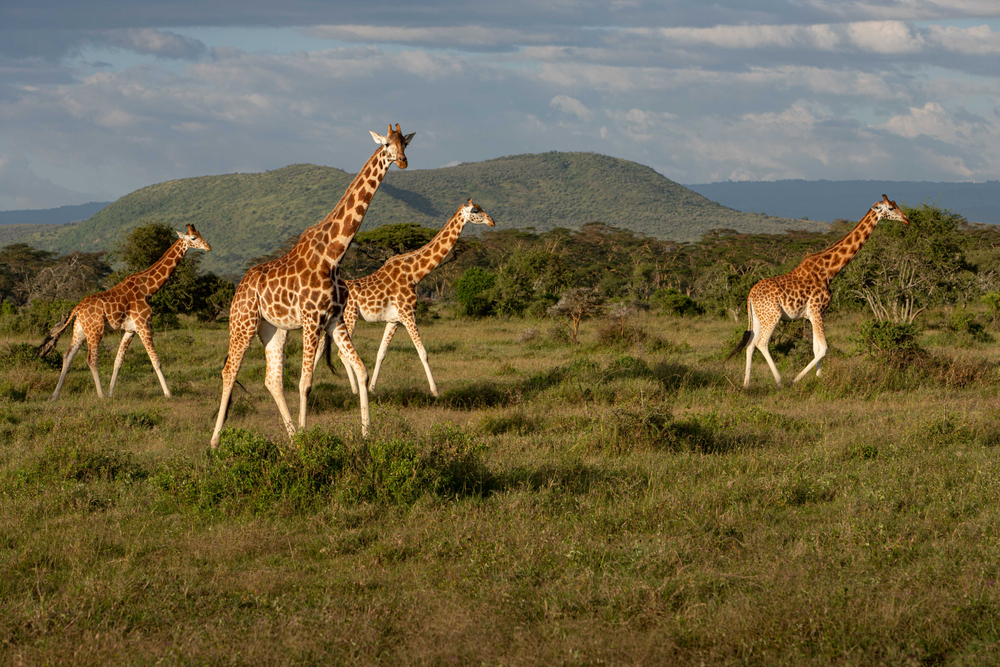
You may also explore other iconic areas like Makalia Falls, a peaceful waterfall in the park, or scout for the endangered Rothschild giraffe, which is unique to this region.
If your safari includes an additional activity outside the park, such as visiting the nearby Menengai Crater, you might go hiking or sightseeing on the crater’s rim for stunning volcanic scenery before returning to your lodge for dinner and some relaxation.
Day 3: Your final day may include a short morning game drive to search for any wildlife you haven’t yet seen. Alternatively, some tours might include cultural visits to nearby communities, like getting to know local Kikuyu or Maasai traditions. Afterward, you’ll pack up and begin your return journey to Nairobi, concluding with plenty of memories and photos to share.
Each itinerary might differ a little as some activities are designed for specific groups, such as birdwatching or photography enthusiasts, but the goal is to offer wildlife adventures and connection with Nakuru’s stunning landscapes throughout.
How much does a 3-day Nakuru safari typically cost?
The cost of a 3-day Nakuru safari can vary widely depending on factors like your choice of accommodation, mode of transport, group size, and the level of luxury you prefer. Here’s a breakdown of what influences the cost:
- Budget Safaris: If you’re traveling on a budget, staying in basic campsites or budget lodges might cost around $350-$500 per person for 3 days. This type of safari includes shared transportation (usually in group vans), park entrance fees, simple meals, and game drives.
- Mid-Range Safaris: For a more comfortable experience, you can expect to spend $600-$900 per person, where you’ll stay at mid-range lodges or tented camps. These are usually more spacious, have better amenities, and offer a slightly more private safari experience. Transportation may include customized 4×4 safari vehicles for smaller groups.
- Luxury Safaris: If you’re after a high-end experience, costs can range from $1,000-$2,000 per person. Luxury lodges and camps feature premium services, gourmet meals, exclusive game drives with experienced guides, and sometimes additional perks like sundowner drinks, hot air balloon rides, or private vehicles.
- Private Tours vs. Group Tours: Private tours are typically more expensive than group tours, but they offer flexibility in planning your itinerary. Expect to pay anywhere from 1.5x to 2x the cost of a group tour for the same number of days.
Additional Costs: Remember that the price might not include airfare to Nairobi, optional activities (like cultural tours or nature walks), gratuities for guides, and personal expenses.
As an example, a group joining a budget safari will spend far less than a couple booking a private, all-inclusive luxury package. When planning, research thoroughly and compare quotes from different tour operators to find the best fit for your preferences and budget.
What is the best time of year to plan a safari in Nakuru?
The best time to visit Nakuru for a safari is during the dry seasons, which happen in two main periods: from June to September and from December to February. Why? Because during the dry season, water sources dry up in many areas of the park, so animals tend to gather in larger numbers near the lake and other remaining water sources. This makes wildlife spotting much easier.
During these months, the roads in the park are generally in better condition, making travel more comfortable since there’s less mud to navigate. The weather is also sunny and warm, which makes game drives more enjoyable. For example, if you dream of seeing rhinos or lions, this dry period increases your odds since they are more visible in open areas rather than hiding in thick vegetation.
If you’re particularly interested in birdwatching, however, the wet season (March to May and November) can also be a good time to visit. This is because migratory birds are present and the scenery becomes lush and green, creating a vibrant backdrop for photography. Be warned, though, that the rains during these periods can make roads slippery and some parts of the park harder to access.
A pro tip is to aim for the transition months, like late May or early June, when the rain has ended but the vegetation is still lush. This gives you a mix of birdlife, beautiful landscapes, and good wildlife visibility. Ultimately, the “perfect” time for a Nakuru safari depends on your priorities, whether it’s wildlife, birds, or the weather!
How do I get to Nakuru from major cities like Nairobi?
Nakuru is located about 160 kilometers (100 miles) northwest of Nairobi, making it relatively easy to reach. Most people travel by road, as it takes around 2.5 to 3 hours by car depending on traffic and road conditions. The Nairobi-Nakuru highway is a well-maintained route, so the drive is generally smooth. Along the way, you’ll travel through Kenya’s Great Rift Valley, with the opportunity to stop at scenic viewpoints for breathtaking photos of the valley below.
If you’re part of a guided safari tour, your transportation is usually arranged for you. Your safari company will pick you up from Nairobi (either from your hotel or the airport) and take care of the journey. This option is convenient and stress-free since it’s handled by experienced drivers familiar with the route.
For independent travelers, you can also opt to take a matatu (public minivan) or an inter-city bus from Nairobi to Nakuru. These are cheaper options but can be crowded and less comfortable. If you prefer a smoother ride, many companies operate shuttles specifically for tourists.
Flying is an option, too, but it’s less common. While there are small airstrips near Nakuru, most people find road travel more practical and economical since the distance isn’t too great. However, if you’re short on time or prefer air travel, you can charter a small plane.
No matter which way you choose to get there, the journey to Nakuru is part of the adventure, with plenty of beautiful scenery to enjoy along the way.
What types of accommodations are available in Nakuru during the safari?
Nakuru has a variety of accommodations to suit different budgets, preferences, and travel styles, making it a great destination for everyone. If you’re planning a 3-day safari in Nakuru, you can choose from luxury lodges, mid-range tented camps, or budget options like guesthouses and camping sites. These accommodations are often nestled in or near Lake Nakuru National Park, providing stunning views and easy access to wildlife.
Luxury lodges are the most comfortable option. These often come with spacious rooms, en-suite bathrooms, and private balconies overlooking the park or lake. They may also offer amenities like swimming pools, spa services, and fine dining. A good example is the Sarova Lion Hill Game Lodge, which provides a premium safari experience with excellent service and lovely views of the park.
For mid-range options, tented camps are a popular choice. Don’t think of basic camping; these are semi-permanent or permanent tents equipped with real beds, bathrooms, and sometimes even electricity. They give you a “close-to-nature” vibe while still being cozy. Examples include Flamingo Hill Tented Camp, which balances comfort and proximity to wildlife.
If you’re traveling on a tighter budget, you’ll find simple guesthouses or lodgings in Nakuru town. These are generally outside the park but still provide a comfortable place to rest. Some budget accommodations also have self-catering facilities, letting you manage costs better.
For adventure seekers, camping sites are an option. Camping inside or near the park allows you to immerse yourself in nature at an affordable price. However, this often requires you to bring your own gear unless you book through a tour company that provides a camping package.
The variety ensures that all travelers, whether they’re looking for luxury or affordable adventure, can find something that suits their taste.
What wildlife can I expect to see on a 3-day safari in Nakuru?
Lake Nakuru National Park is famous for its rich wildlife and offers some of the best opportunities to see animals in their natural habitats. One of the biggest draws of the park is its incredible bird population. The lake itself used to be known for its enormous flocks of flamingos that painted the shoreline pink. While the numbers have decreased due to changes in water levels, flamingos can still be spotted, along with about 400 other bird species, including pelicans, herons, and storks. Bird watchers are in for a treat!
On land, the park is home to the “big mammals” that safari-goers typically want to see. Expect to encounter white rhinos and black rhinos, which are among the park’s most iconic animals. Nakuru is considered one of the best places in Kenya to spot rhinos due to conservation efforts.
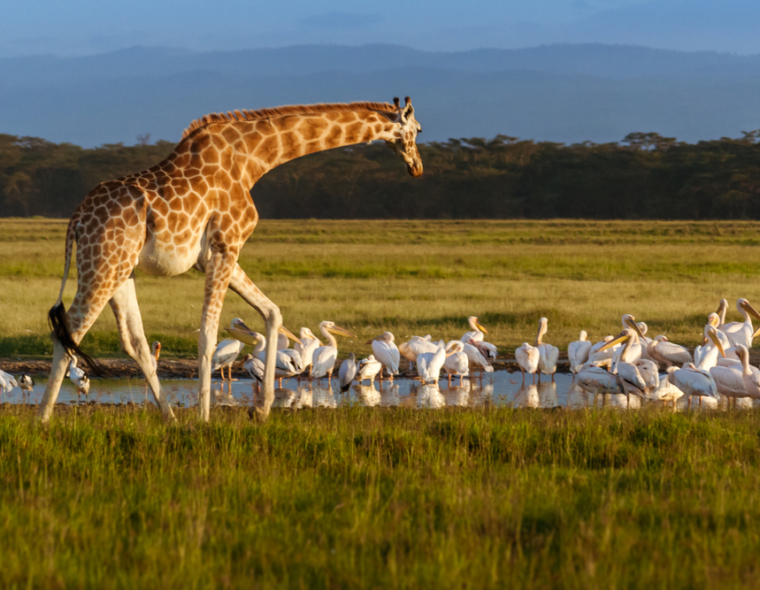
You’ll also likely see buffaloes, giraffes, and zebras grazing peacefully in the plains. Keep an eye out for the rare Rothschild’s giraffe, a species that has been reintroduced into the park and is stunning to watch.
Predators like lions and leopards also live in Lake Nakuru National Park. While they’re not as common as in larger reserves like the Maasai Mara, they are present, and park guides know the best spots to look for them. It’s exciting when you spot a lion lazing under a tree or a leopard hiding in the branches.
Other creatures you might come across include warthogs, baboons, impalas, and hyenas. The diversity of wildlife in Nakuru means you’ll see plenty, whether you’re interested in big animals, unique birds, or a mix of both.
Three days is an excellent amount of time to enjoy game drives and soak up all the magnificent wildlife.
Are there any safety precautions to consider while on a safari in Nakuru?
Yes, there are safety precautions to keep in mind during a safari in Lake Nakuru National Park or any wildlife park. Safaris are incredible but involve wild animals and unpredictable terrains, so you’ll want to stay informed and vigilant while enjoying the experience.
First and foremost, always follow the instructions of your guide. Guides are trained to ensure both visitor safety and animal wellbeing. If they say to stay quiet or to avoid certain areas, trust them, they know the risks better than anyone.
When inside a safari vehicle, do not leave it unless your guide gives explicit permission. Animals may perceive someone on foot as a threat, increasing the risk of aggression. Similarly, don’t stick your hands, arms, or camera out of the windows. Even animals that seem calm, like zebras or giraffes, can act unpredictably if startled.
Avoid feeding the animals under any circumstance. Feeding them can disrupt their natural habits and may even make them aggressive. Plus, it’s generally against park rules.
Keep a safe distance from all wildlife. For example, while rhinos and elephants are amazing to see, they are also large, powerful animals that may charge if they feel threatened or cornered. Birds and smaller creatures should also be observed from afar so they’re not disturbed.
Dress appropriately for the safari, wearing neutral-colored clothes like khaki or olive green, which help you blend into the environment and avoid attracting animals unnecessarily. Bright colors can alarm wildlife.
Lastly, protect yourself. Since you’ll be outdoors a lot, wear sunscreen, a hat, and insect repellent. If you’re camping or staying in areas with malaria risks, be sure to take anti-malaria precautions, like sleeping under mosquito nets.
By staying alert, respecting wildlife, and following your guide’s advice, you’ll have a safe and unforgettable safari experience.
What should I pack for a comfortable and enjoyable safari experience?
Packing for a safari is all about being prepared for the weather, outdoor conditions, and hours spent in nature. You want to be comfortable while also considering practical needs. Let’s break it down:
- Clothing: Pack lightweight, neutral-colored clothes (like khaki, olive, and beige) to blend in with the environment and avoid scaring the wildlife. This includes loose-fitted tops, long-sleeve shirts (for sun and insect protection), and lightweight pants. For early mornings and evenings, bring a warm jacket or sweater, as it can get chilly. A wide-brimmed hat and sunglasses will also help protect you from the midday sun.
- Shoes: Comfortable walking shoes or lightweight hiking boots are essential, especially if you plan on exploring areas like Baboon Cliff or Menengai Crater. Sandals or flip-flops can be useful back at your lodge or when relaxing.
- Safari Essentials: Don’t forget insect repellent to keep mosquitoes at bay, sunscreen for sun protection, and sunglasses to shield your eyes. A reusable water bottle is crucial to stay hydrated during long game drives.
- Gear for Wildlife Viewing: A good pair of binoculars will dramatically improve your ability to spot distant animals or birds. Don’t forget a camera, preferably with a zoom lens, to capture all the incredible animals and landscapes. A power bank or spare batteries for your devices is a must, too, as charging options can be limited.
- Personal Items: Pack toiletries such as travel-sized soap, shampoo, and toothpaste, as well as hand sanitizer and wet wipes for quick freshening up. If you use prescription medications, make sure to bring enough for the entire trip (plus some extra).
- Extras: Including a small backpack to carry all your daily essentials is very helpful. A travel journal to jot down your experiences, a guidebook to understand the animals you’re seeing, or some snacks to enjoy during long drives can also enhance your safari trip.
By packing thoughtfully, you’ll ensure you’re comfortable, safe, and ready for all the adventures a Nakuru safari has to offer!
Are there any cultural or historical sites to explore in Nakuru alongside the safari?
Absolutely! Nakuru has a rich cultural and historical heritage that you can explore alongside your safari. One notable site is Hyrax Hill Prehistoric Site and Museum, located just a few kilometers outside Nakuru town. This site is an important archaeological location that offers a glimpse into the region’s ancient human history. Researchers have uncovered evidence of settlements from Stone Age and Iron Age communities. Visitors can view tools, pottery, and relics used by the prehistoric people and learn how they lived thousands of years ago. The museum also has displays and guided tours that make it easy to understand the importance of the site.
Another fascinating location is Menengai Crater, a massive volcanic crater and a sacred site for the Kikuyu community. According to local folklore, the crater is believed to be inhabited by spirits, and some tribes use it for rituals or cleansing ceremonies. Whether you’re interested in the cultural significance or its stunning natural beauty, it’s an unforgettable experience to hike around Menengai and enjoy the breathtaking views.
You can also explore Nakuru town, which offers opportunities to learn about Kenya’s diverse ethnic cultures. The marketplaces are filled with handcrafted goods, local cuisines, and vibrant fabrics, giving you an authentic feel of everyday life in Kenya.
Finally, pay a visit to the Rhino Sanctuary or learn about local conservation efforts that relate to protecting Kenya’s wildlife. These activities blend cultural education with environmental awareness.
Combining these cultural or historical sites with your safari experience adds depth to your trip and allows you to connect not only with the wildlife but also with the people and history of the region!
Can the safari be customized to include specific interests, such as birdwatching or photography?
Yes, many tour operators in Nakuru offer customized safari experiences to cater to specific interests such as birdwatching, photography, or even specialized activities like hiking or cultural tours.
Nakuru is a birdwatcher’s paradise – particularly around Lake Nakuru, which is internationally famous for the thousands of flamingos that flock to its shores. If bird watching is your main focus, you can work with your safari guide to target areas within the park where unique species reside. For example, the lake is home to over 450 bird species, including pelicans, eagles, and marabou storks. Your guide will ensure you spend time in spots with the highest bird activity, provide binoculars if needed, and adapt to the slow pace necessary for spotting and identifying different species.
For photographers, your guide can tailor the safari to bring you to the best vantage points at optimal times of the day. For instance, early mornings and late afternoons are perfect for capturing wildlife in beautiful natural light. The guides are familiar with the behaviors of wildlife, like when lions are likely to be active or where you might find rhinos grazing, and they can position vehicles to give you the best angles for photos. Many safari vehicles also have specially designed open tops or side panels, making it easier for photographers to shoot without obstructions.
Even if you’re interested in other niches, like eco-tourism or cultural exchanges, you can include visits to local villages or conservation projects as part of your itinerary.
When booking, just communicate your preferences and interests to the tour operator. They’ll craft an experience that fits your goals, making it a far more personal and rewarding safari adventure!
What are the rules or guidelines for responsible wildlife viewing in Nakuru?
When on a safari in Nakuru, or any other wildlife park, it’s essential to follow strict rules to protect both the animals and their habitats. These guidelines ensure everyone stays safe while respecting the environment.
First and foremost, never feed the animals. Human food can harm wildlife, disrupt their natural diet, or make them dependent on humans for food. It’s crucial that animals in Nakuru continue hunting or foraging as they naturally would without interference.
Keep a safe distance from the animals. For instance, do not approach lions or rhinos too closely, even if they appear calm. Wild animals are unpredictable, and getting too close can scare or provoke them. Observing them from afar also helps maintain their natural behavior without feeling threatened. Use binoculars or cameras with zoom lenses to enjoy an up-close look without invading their space.
Stay inside the safari vehicle at all times while in the park. Walking around can be extremely dangerous since predators or territorial animals might see humans as a threat. Similarly, avoid making loud noises, shouting, or playing music that might disturb the wildlife. Quiet observation is not only respectful but also better for seeing animals in their natural behavior – many animals will simply flee if they hear loud sounds.
Do not litter. Trash can pollute the environment and harm animals if ingested. A good safari guide will have waste bins and emphasize leaving the area exactly as you found it.
Lastly, follow the park ranger’s or guide’s instructions. They are there to ensure your safety and will know the best, most responsible practices for approaching or viewing wildlife.
By following these guidelines, you’ll help preserve Nakuru’s incredible natural ecosystem for future generations to enjoy, while also having a safe and unforgettable safari experience.
Lake Nakuru National Park is a well-loved stop on many Kenya safaris, offering an easy connection between Nairobi, Naivasha, Masai Mara, and Amboseli. Whether you’re on a family safari, a romantic honeymoon, or a brief day trip, the park delivers a peaceful setting with rich wildlife and lake views. It’s only a three-hour drive from Nairobi, or you can fly in via the nearby Nakuru airport. Many visitors prefer car hire to explore the park at their own pace, with scenic stops like Baboon Cliff offering wide views of the lake below, often covered in bright pink flamingos, a favorite sight for photography lovers and those on a birding safari.
Game drives through the park reveal rhinos, baboons, zebras, and giraffes, with the occasional surprise of tree climbing lions that have been spotted in certain areas. The weather stays comfortable most of the year, making it ideal for camping, picnicking, or slow drives through the wooded and open areas. For those looking to see more, Menengai Crater is close by and offers dramatic scenery and quiet trails. Many travelers end their day with a peaceful boat ride on Lake Naivasha, rounding out their safari with calm waters and birdlife from a different view.