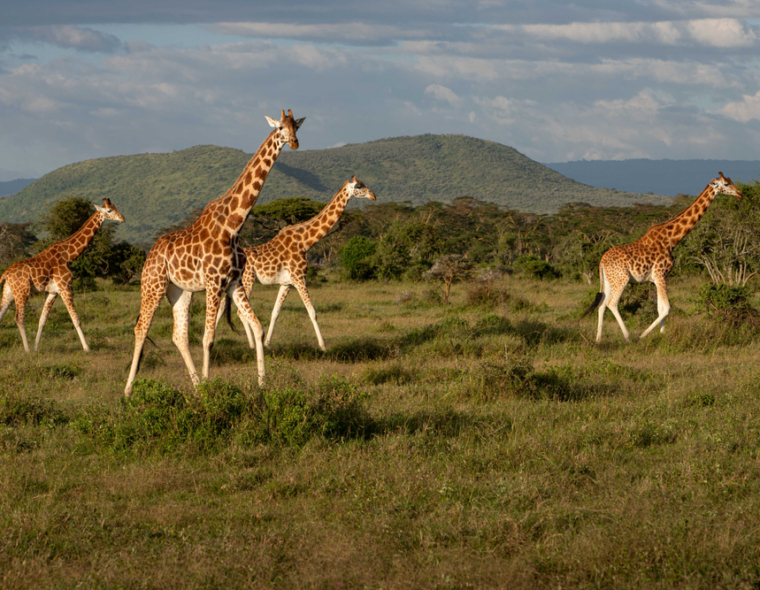
A game drive in Lake Nakuru National Park enables you to see wild animals including, giraffes, black and white rhinos, warthogs, zebras, leopards, baboons and many more others. Lake Nakuru is home to about 400 bird species and over 50 different animal species. The park is home to the famous pink flamingos that are found lazing around the lake. You can opt for morning or afternoon game drive in one of the most visited parks in Kenya.
What types of wildlife can be spotted during a game drive in Lake Nakuru?
Lake Nakuru National Park is home to an incredible variety of wildlife, making it one of the best places in Africa for animal lovers. When you go on a game drive there, you’ll see all kinds of animals, it’s like a real-life version of “The Lion King” playing out in front of your eyes! This safari experience is truly unforgettable.
One of the most famous sights at Lake Nakuru is its enormous population of flamingos. At the lake’s shoreline, especially during certain seasons when conditions are right (like the presence of algae they feed on), you may see hundreds of thousands of bright pink flamingos. It’s a breathtaking sight, like a pink carpet spread over the water, showcasing the stunning landscapes of the park.
Apart from the flamingos, Lake Nakuru is also renowned for its rhinos, particularly the endangered white rhino and black rhino. The park is one of the best places in Kenya to see these incredible animals thanks to its rhino sanctuary, which protects them from poaching and provides a perfect habitat for their survival.
You’re also likely to spot zebras grazing on the bushy grasslands, impalas, and waterbuck. If you’re lucky, you might catch sight of a lion lounging under a tree or, even rarer, a leopard climbing a tree branch. The rocky cliffs of Lake Nakuru are home to baboons and even rock hyraxes (little guinea pig-like creatures), adding to the rich wildlife experience.
Other animals, like giraffes, hippos, and buffalos, also call Lake Nakuru their home. And don’t forget about the birds! There are over 400 bird species in the park, from pelicans and cormorants to eagles and storks. Whether it’s mammals or birds, every turn in the park offers the chance to see something amazing, making it a true bird sanctuary and a must-visit destination for nature enthusiasts.
Are there specific times of the day that are best for a game drive in the park?
Yes, the timing of your game drive can make a huge difference in what you’re able to see in Lake Nakuru National Park. Generally, the best times are early morning and late afternoon. These are known as the “golden hours” of game drives because many animals are more active during these cooler parts of the day, avoiding the midday heat when they tend to rest. A visit during these times enhances your overall safari experience.
During the early morning hours, around sunrise, the park is especially magical. The light is perfect for taking stunning photos, and the rich wildlife is often out hunting, grazing, or drinking water. For example, you might spot lions finishing their hunt or zebras grazing in large groups. Birds are also very active in the morning, and you could see flocks of flamingos starting their day at the lake or hear the sounds of various chirping and squawking birds filling the air.
In the late afternoon, just before sunset, animals also venture out again. As the sun sets, the lighting becomes warm and golden, creating a picturesque backdrop for everything you see. Predators like leopards and lions may emerge from their daytime naps to resume their hunting activities. Meanwhile, herbivores like buffalo, antelopes, and giraffes often come to water sources for a drink, making it an ideal place for wildlife viewing.
In contrast, the midday hours can be quite hot and less productive for wildlife viewing since many animals take naps under the shade or retreat to cooler areas. That said, if bird watching, especially flamingos at the lake, is your main goal, you can visit their breeding and feeding grounds any time of day.
So, if you’re planning a game drive at Lake Nakuru, aim to begin early morning or late afternoon to maximize your chances of seeing wildlife and enjoying the stunning landscapes at their most beautiful.
What is the geographical and ecological significance of Lake Nakuru National Park?
Lake Nakuru National Park, in Kenya, is a UNESCO World Heritage Site and one of the most ecologically diverse ecosystems in the world. Located in the Rift Valley, this safari destination surrounds Lake Nakuru, a shallow alkaline (salty) lake. Spanning about 188 square kilometers, the park is renowned for its rich biodiversity and varied landscapes, including bushy grasslands, rocky cliffs, dense acacia forests, and a beautiful lakeshore. This diversity supports an incredible range of species, making the park vital for animal and plant conservation.
Ecologically, the lake is famous for its algae, which attracts masses of flamingos. At certain times, thousands of these birds can be seen lining the lake’s edges, creating breathtaking scenery. While the number of flamingos varies based on water levels and algae growth, it has earned the park the reputation of an ornithological paradise, hosting more than 400 bird species.
The park also plays an essential role in protecting mammals. It is home to significant populations of black rhinos and white rhinos, both of which are endangered. Additionally, the Rothschild giraffe, another vulnerable species, thrives here. Lake Nakuru functions as both a wildlife sanctuary and breeding ground, supporting species that would otherwise face extinction in their natural habitats.
From a geographical perspective, Lake Nakuru and the park lie within the Great Rift Valley, a series of geographic trenches stretching from Lebanon to Mozambique. This ancient geological feature provides visitors with stunning landscapes, such as cliffs and craters. Furthermore, the park’s variety of ecosystems shows how life can adapt to saline water, diverse vegetation, and unpredictable conditions. All of this makes Lake Nakuru National Park not just beautiful but critically important for science and conservation.
What are the typical durations of game drives in Lake Nakuru?
The typical game drives in Lake Nakuru National Park can vary in duration, depending on what visitors want to see and their schedule. Usually, game drives last between 2 to 4 hours, but this can change based on specific itineraries offered by tour operators or personal preferences for self-drive adventures. For a memorable safari experience, many visitors choose to explore the stunning landscapes of the park.
Morning game drives, which may start as early as 6:00 a.m., typically last for about three hours. This is because early mornings are one of the best times to spot animals. As the sun rises, animals are most active before the heat of the day makes them retreat into the shade. During this time, you’re likely to see predators like lions and leopards, as well as herbivores like zebras and buffalo grazing in the open, creating a rich wildlife experience.
Afternoon or evening game drives usually follow a similar pattern, lasting about 3 hours, typically from around 3 to 6 p.m. The afternoon drive allows for a different experience, as the light becomes softer, casting a beautiful golden glow on the park’s picturesque landscape. Visitors can also observe certain nocturnal animals starting to become active as evening approaches, adding to the thrill of the safari.
In some cases, tour operators arrange extended game drives that last a full day, often with breaks for meals or stops at viewpoints like Baboon Cliff or the Makalia Falls within the park. This type of drive is perfect for those who want to thoroughly explore different parts of Lake Nakuru, including its ideal habitats for diverse animal species.
For those driving themselves, how long the game drive lasts can depend entirely on their pace and schedule. However, it is essential to remember that Lake Nakuru National Park has opening (6:00 a.m.) and closing times (6:00 p.m.). You’d need to ensure your game drive fits within these hours.
Are guided game drives available, or can visitors self-drive within the park?
Both guided game drives and self-drive options are available in Lake Nakuru National Park, so visitors have the flexibility to choose what works best for them. Each option offers a unique experience depending on what kind of adventure you are looking for.
Guided game drives are typically arranged by tour companies or lodges within or near the park. These guided drives are an excellent choice for tourists who want to learn more about the animals, plants, and ecosystems of the park. Local guides have a deep understanding of the park, including where to find various species and the best times to see them. For instance, if you’ve always wanted to spot a rhino or photograph flamingos, a guide increases your chances since they know the animals’ behaviors and habitats. Guided drives are also stress-free since you don’t have to worry about driving, navigation, or park rules.
Self-driving, on the other hand, means visitors use their vehicles (or rented ones) to explore the park at their own pace. This option gives people the freedom to stop and stay as long as they want at different spots, such as the lakeshore, lookout points, or areas where wildlife is active. However, it’s essential to have a sturdy car, preferably a 4×4, because some sections of the park may have rough roads, especially in rainy seasons.
While self-driving is flexible and provides freedom, it can be tricky for first-time visitors who don’t know much about the park’s layout or where the animals are likely to be. Maps are available, but you must also follow all park rules, such as staying on designated roads and keeping a safe distance from animals. Both options allow visitors to have an incredible experience, so it really comes down to whether you want expert guidance or prefer to go solo.
How does Lake Nakuru’s terrain and landscape enhance the game drive experience?
Lake Nakuru’s terrain and landscape are incredibly diverse, making a game drive there a thrilling safari experience. The park features a mix of ecosystems, including the lake itself, acacia forests, grasslands, rocky cliffs, and marshes. This variety in habitats supports a wide array of wildlife, allowing visitors to experience different settings during a single game drive. Each area feels unique, and spotting animals or birds in these distinct environments is like discovering a new world every time you turn a corner.
One of the park’s most striking features is Lake Nakuru, a stunning soda lake in the Rift Valley, surrounded by hills and escarpments. The shallow, alkaline water attracts massive flocks of flamingos when conditions are right, creating a breathtaking pink spectacle along the lake shores. Beyond the lake, you’ll find areas of open grassland where animals like zebras and buffalos graze, contrasting with the dense acacia woodlands where leopards and monkeys thrive. Further up, the rocky cliffs and escarpments offer panoramic views of the park and are home to creatures like hyraxes and vultures, enhancing the ecological diversity of the area.
The terrain also adds excitement to the drive because it includes varying elevations and features. As you move through the park, you might ascend to lookout points like Baboon Cliff for stunning views of the lake or descend into valleys where you can encounter animals up close. This constant change keeps the experience fresh and engaging, making Lake Nakuru an ideal place for wildlife enthusiasts.
For example, you might drive along the lake’s edge in the morning and spot flamingos wading in the water before heading into the forested areas for a chance to glimpse a leopard lounging in a tree. Later, heading toward the cliffs in search of birds of prey like eagles provides yet another unique setting. This incredible variety makes Lake Nakuru special and enhances every moment of the game drive, confirming its status as a premier safari destination.
Are there specific rules or regulations for game drives in Lake Nakuru?
Yes, there are specific rules and regulations for game drives in Lake Nakuru National Park, designed to protect both the rich wildlife and the visitors. The park is a sensitive ecosystem, and these rules help preserve it while ensuring everyone has a safe and enjoyable safari experience. Understanding and following these guidelines is essential.
First, visitors must stay on designated roads and paths. Driving off-road is strictly prohibited because it can damage the delicate ecosystem, such as the bushy grasslands and homes of small creatures like insects and reptiles. Staying on paths also ensures that vehicles don’t disturb or scare away the visible primates and other wildlife unnecessarily.
Additionally, there is a strict speed limit of 40 kilometers per hour within the park. This helps prevent accidents, such as hitting an animal that may suddenly cross the road. Driving slowly also allows visitors to observe the stunning landscapes and animals in a relaxed manner instead of rushing through the park.
Another key rule is to maintain a respectful distance from the wildlife. Getting too close can stress the animals or put visitors in dangerous situations. For instance, even though rhinos or buffalos may appear calm, they can become aggressive if they feel threatened.
Feeding the animals is also not allowed. It might seem tempting to toss food to a monkey or bird, but doing so can disrupt natural feeding behaviors and make animals dependent on humans, which is harmful to their survival.
Lastly, visitors are required to keep noise to a minimum during the drive. Loud sounds can scare the wildlife away and disrupt the tranquility of the park. Radios, drones, and other disruptive devices are not permitted.
Following these rules ensures that everyone can enjoy the beauty of Lake Nakuru responsibly and allow the park’s incredible surroundings and creatures to remain protected for future generations.
What kinds of vehicles are recommended or allowed for game drives in the park?
Lake Nakuru National Park offers a captivating safari experience that allows several types of vehicles for game drives, but the most recommended ones are four-wheel drive (4WD) vehicles. These vehicles are ideal for navigating the park’s stunning landscapes, which include steep hills, rocky patches, and muddy trails during rainy seasons. A sturdy 4WD vehicle, such as a Land Cruiser or Safari Jeep, can handle these challenges with ease while providing comfort and better visibility for wildlife spotting, including the rich wildlife that resides in the park.
Unlike city cars or sedans, which might struggle on rougher terrain, 4WD vehicles are built for tackling obstacles like muddy tracks near the lake or climbing steep roads to viewpoints like Baboon Cliff. For example, after heavy rain, some parts of the park’s tracks may become slippery, and a 4WD can maintain traction and keep you safe.
Another vital consideration is vehicle height. Vehicles with a higher ground clearance give passengers a better view of the surrounding area, which is crucial when trying to spot animals hidden in tall grass or dense bushes. Raised safari cars often come with large windows or even open tops, providing an unobstructed experience for photography and wildlife observation, especially for bird watching and observing visible primates.
If you’re booking a guided safari, most tour operators already use these specially equipped vehicles. However, visitors who wish to self-drive should ensure their car meets these standards to avoid mechanical difficulties or getting stuck in the park’s bushy grasslands.
Certain types of vehicles, like motorcycles, bicycles, or very low-clearance cars, are generally not allowed or recommended for safety reasons. These vehicles can disturb animals or be unsafe for the riders themselves, especially if the wildlife becomes aggressive.
Having the right type of vehicle ensures that you can navigate the beautiful yet sometimes challenging terrain of Lake Nakuru National Park without missing out on any of the incredible sights, including the picturesque landscape and diverse animal species the park has to offer.
Are there unique bird species, such as flamingos, that can be observed during a game drive?
Yes, Lake Nakuru National Park is world-famous for its incredible birdlife, especially its population of flamingos, making it a prime safari destination. In fact, the park has earned the nickname “Birdwatcher’s Paradise” because of the sheer number and ecological diversity of bird species you can see during a game drive. Flamingos are undoubtedly the most iconic birds in the park. The lake’s alkalinity encourages the growth of algae, which is an essential food source for flamingos. As a result, large flocks of Lesser Flamingos and Greater Flamingos often gather along the shores of the lake, creating a stunning pink carpet on the water. It’s an unforgettable sight!
Apart from flamingos, Lake Nakuru is home to over 450 bird species. These include pelicans, storks, cormorants, African fish eagles, herons, ibises, and kingfishers. Bird enthusiasts can also spot the rare African spoonbill and the brilliantly colored malachite kingfisher along the lake’s edge. Another notable species to look out for is the Rothschild’s Giraffe, which adds to the park’s rich wildlife and unique safari experience.
Game drives are done throughout the National Park and they will take you through the savannah grasslands, acacia woodlands and vast land that is enclosed around the escarpments. With each game drive, there are so many animals, birds and landscapes that will keep you excited throughout your game drive in Lake Nakuru National Park.
Lake Nakuru National park offers two game drives per day and these are the morning game drive and afternoon game drive. The early morning game drive starts at 7:00 am and the afternoon drive at about 2 or 3:00 pm every day with both lasting for about 3 to 4 hours. The vehicles that are mainly used for game drives are the 4×4 open roof which can easily access the roads within the National Park and it also enables you to easily see the animals without alighting from the vehicle.
What should I wear while on my game drive safari to Lake Nakuru National Park?
The weather that is experienced in Lake Nakuru alternates between wet and dry seasons. The season that you choose to tour the park will determine what exactly you need to put on. The general list of what you should put on and carry includes wide brim hats to protect yourself from the sun, insect repellent, long-sleeved shirts, long pants, strong hike boots and some warm clothes for when the weather changes which can be at any time.
Rules to follow while on game drives in Lake Nakuru Park
There are always many dos and don’ts when it comes to game drives around the National Park and the only way that you can enjoy your drive is by following all the rules and regulations that are set up by the Park management and the Kenya wildlife Authority. Below are some of the rules that you should follow while on a game drive in Lake Nakuru National Park.
Do not approach or try to distract the animals. The animals might perceive approaching them as a threat and will attack you and that is why it is advisable to keep calm and not approach the animals even when they are close to you.
Make sure that there is minimal noise made while on game drives so that you do not distract the animals. Turn off your phones, keep the radios down and talk in whispers.
Avoid putting on brightly colored clothes because they easily attract the attention of wild animals. Carry neutral-colored clothes to easily blend in with the wilderness.
Drive carefully and keep a normal speed while on your game drive to avoid accidentally knocking down the animals because as the tour guide will tell you, the animals have a right of way in the jungle.
Do not at any one point leave the vehicle unless it is done in the designated areas and we advise that you follow all the guidelines given to you by the tour guides because they are the experts of the National Park.
Things that you must carry on your game drive in Lake Nakuru National Park
Game drive parking lists are always the same depending irrelevant of where you are going to carry out your drive and the same applies to game drives in Lake Nakuru National Park. Below is a list of the things that are essential and should be on your packing list.
Insect repellent: there are a lot of bugs and mosquitos in the country which makes insect repellent something that should be packed and note that the mosquitoes are mainly seen very easily in the morning and the late afternoon drives.
Camera: these will help you take some of the best photos while on your game safari. Although smartphones can still do the job, an old-fashioned camera is preferred and do not forget to carry some extra batteries for the camera.
Binoculars: some of the animals will not be easily seen due to many factors like some being scared and running off, blending in well with the bushes and being far away from the safari vehicle. This is where the binoculars come in to help you see all the wildlife while on your safari.
First aid kit, sunscreen and sun hat: you will be driving through an unknown area and that is why we advise that you carry a first aid kit with you each time you are going for a game drive. The sunscreen and sunhat are to protect you from the scorching sun while on a game drive through the park.
What should I expect on a game drive through Lake Nakuru
The game drive through the Park will take you through the acacia woodlands and savannah grasslands where you get to see the different animals, to the viewpoints which have an elevated view of the Park, to the waterfall where most camping is done and finally to the lake Nakuru where a large crowd of great and lesser flamingos awaits you.
Lake Nakuru National Park is a standout stop for those exploring Kenya safaris, sitting right along the travel route between Nairobi, Naivasha, Masai Mara, and Amboseli. Whether you’re planning a short day trip, a scenic honeymoon, or a full family safari, this park offers easy access and plenty of wildlife. Located just three hours by road from Nairobi, it’s also reachable via the Nakuru airport. Many visitors opt for car hire to explore the park at their own pace. The lake’s edge, often tinted pink with thousands of flamingos, is a favorite for photography and draws those interested in a detailed birding safari.
Inside the park, stops like Baboon Cliff offer wide views of the water, woodland, and distant hills. Visitors can expect to see rhinos, zebras, baboons, and giraffes moving across the open plains. Occasionally, lucky guests spot tree climbing lions, adding a rare twist to the game drive. The weather tends to be mild, making the park ideal for camping and unhurried drives throughout the year. If you’re extending your visit, nearby Menengai Crater provides scenic trails and panoramic views of the Rift Valley. For a relaxing finish, many travelers include a boat ride on Lake Naivasha before heading onward.