
What is the average daily temperature in Nakuru?
Nakuru, a city in Kenya, has a relatively mild and pleasant climate for most of the year due to its location near the equator and its high elevation. The average daily temperature in Nakuru typically ranges between 20°C to 26°C (68°F to 79°F). This means it doesn’t get too hot or too cold, making the weather relatively comfortable for both locals and visitors.
During the daytime, temperatures are generally warm, while mornings and evenings can sometimes feel cooler, especially during the rainy season or in colder months. For instance, in the early morning hours or after sunset, temperatures can drop to about 10°C to 12°C (50°F to 54°F), so it’s a good idea to carry a light sweater or jacket if you’re out at those times.
The high altitude of Nakuru (roughly 1,850 meters or 6,070 feet above sea level) helps moderate the temperature compared to other lower-altitude locations in Kenya, such as Nairobi or Mombasa. Coastal areas, for example, are often hot and humid, but Nakuru stays comfortably cooler. The stable temperatures make Nakuru an appealing place for both residents and tourists.
To summarize, Nakuru enjoys an average temperature that feels like spring throughout most of the year, comfortable for outdoor activities like visiting Lake Nakuru National Park or walking through the city. So, whether you’re planning a trip or thinking about moving there, the weather is unlikely to give you dramatic temperature surprises.
What is the typical weather like throughout the year in Nakuru?
The weather in Nakuru can generally be described as pleasant, mild, and consistent throughout the year. Being close to the equator and at a high altitude, Nakuru avoids extreme weather conditions like freezing cold or scorching heat. Instead, the city experiences a blend of warm days, cooler nights, and a reasonable amount of rainfall that balances out the dry weather.
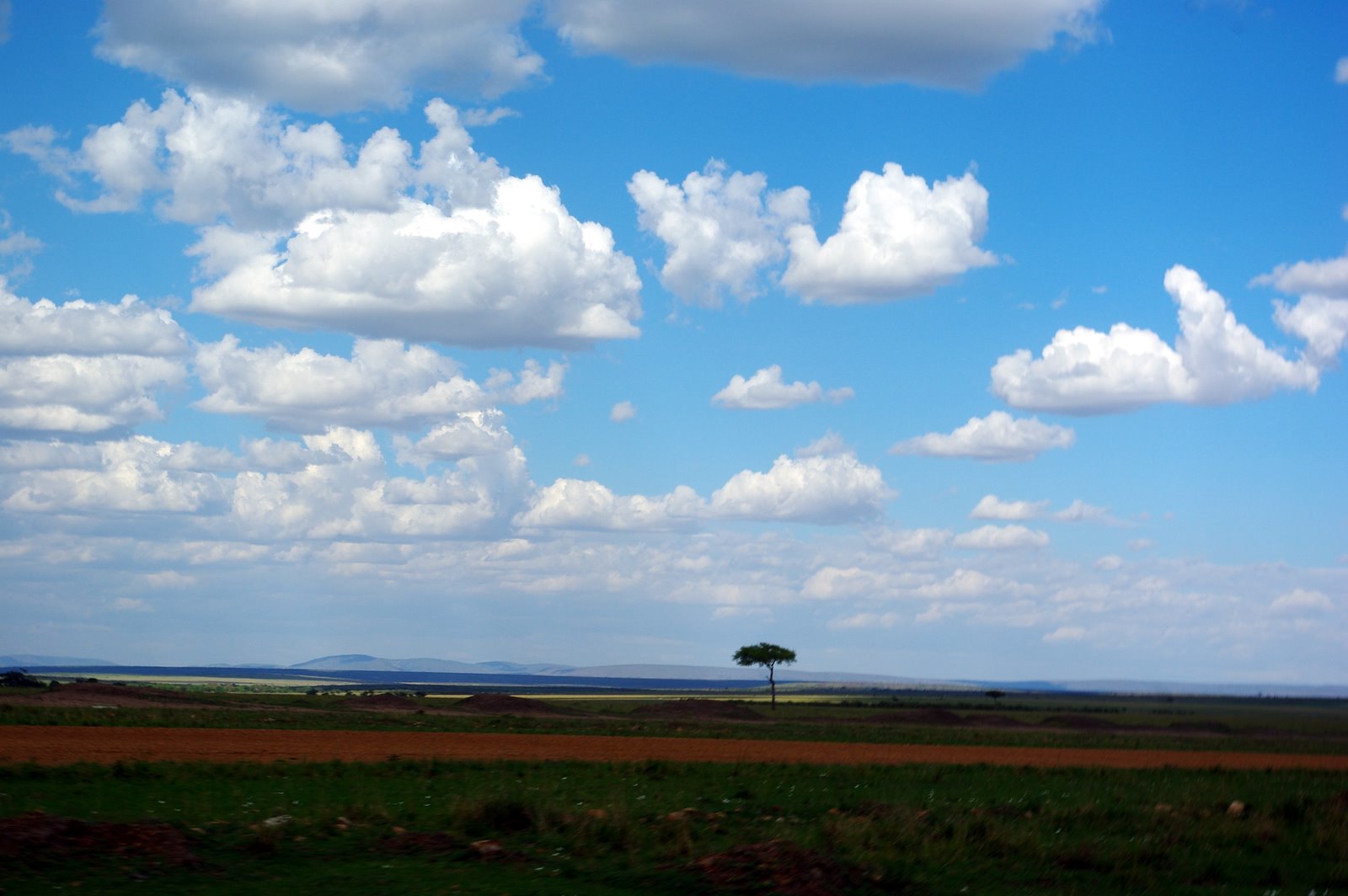
Throughout the year, Nakuru sees alternating dry seasons and rainy seasons. During the dry periods, the weather is sunny and warm, with clear blue skies making it an excellent time for outdoor activities like game drives or hiking. Rainy seasons, on the other hand, bring cloudy skies, occasional thunderstorms, and a significant drop in temperature, especially in the evenings.
For example, in the dry season (usually from June to September and December to February), you can expect sunny days with little to no rainfall. Rainy seasons, which typically occur from March to May (long rains) and October to November (short rains), bring heavier showers. However, even during rainy periods, it rarely rains all day, there are usually clear portions of the day for outdoor activities.
Nakuru’s tropical highland climate ensures that it rarely feels overly humid compared to coastal cities like Mombasa. Because of this, the weather is considered ideal for both locals and visitors who appreciate steadiness and comfort in temperature and conditions.
In summary, Nakuru’s typical weather can be described as calm, reliable, and enjoyable year-round, with alternating wet and dry seasons. The mix of sun and rain keeps the region’s landscape lush and beautiful without becoming extreme or uncomfortable.
When is the rainy season in Nakuru?
Nakuru has two primary rainy seasons in a typical year: the long rainy season and the short rainy season.
The long rainy season usually happens between March and May. During this period, heavy rains are common, and you might experience consistent rainfall for several days. It’s not unusual to have thunderstorms during this time, especially in the afternoons or evenings. This is also when the landscape in and around Nakuru becomes lush and green as the rain nourishes the vegetation. While it might be inconvenient for outdoor activities, this period is crucial for farming, as crops rely heavily on the rainfall.
The short rainy season, on the other hand, occurs between October and November. As the name suggests, this rainy season is shorter and less intense compared to the long rains. Rainfall during this time may come and go in bursts, with fewer days of sustained showers. However, it’s still enough to revive the greenery and prepare the ground for planting in agricultural communities.
Even during the rainy seasons, it’s not all about rain. There are usually windows of sunshine and clear skies during the day, especially in the morning. For travelers, this means you can still explore Nakuru and its attractions like Lake Nakuru National Park, although you may want to carry an umbrella or a raincoat just in case.
In short, Nakuru’s rainy seasons occur in March-May (long rains) and October-November (short rains). Knowing these periods can help visitors plan their activities and ensure that farming practices thrive in the region to support the local economy.
How much rainfall does Nakuru receive annually?
Nakuru receives an average annual rainfall of about 850 to 1,200 millimeters (33 to 47 inches). This amount of rainfall can be considered moderate and is fairly common for regions located within Kenya’s Rift Valley. Rainfall typically varies depending on the specific area of Nakuru since the region features different topographical characteristics, such as hills, plains, and valleys. Urban areas might receive less rainfall than places on higher terrain.
Most of this rainfall is concentrated during the rainy seasons, which occur twice a year. The “long rains” happen from March to May, and the “short rains” happen from October to December. These periods witness more frequent and heavier downpours. During the dry season (especially from January to February and July to September), rainfall drops significantly or may stop altogether.
For example, during the rainy season, you might experience rain in the afternoon or evening after a clear morning, it’s common for Nakuru to have rain showers primarily later in the day. This means that even in the rainy months, you’ll often have some dry periods during the day, which makes the weather manageable for activities such as farming or tourism.
This consistent rainfall plays an essential role in maintaining Nakuru’s lush vegetation and ecosystems, like those in Lake Nakuru National Park, which is famous for its wildlife and beautiful landscapes. Additionally, the annual rainfall supports agriculture in the region, contributing to the cultivation of crops like maize, beans, and potatoes.
In short, while rainfall in Nakuru fluctuates between seasons, annual precipitation is moderate, helping keep the region fertile and vibrant without overwhelming the landscape with floods or prolonged dryness.
What are the hottest and coldest months in Nakuru?
Nakuru has a typically mild tropical climate because of its altitude, it’s located about 1,850 meters (6,070 feet) above sea level. As a result, temperature variations aren’t as extreme as in many lower-altitude places, but there are still noticeable differences between the hottest and coldest months.
The hottest months in Nakuru are January and February. During these months, average daily temperatures range between 26°C to 29°C (78°F to 84°F) during the day. Nights remain cooler, with temperatures dropping to around 12°C to 14°C (54°F to 57°F). These warm conditions come after the short rains and before the long rains, so the air tends to feel drier and the skies are often sunny.
On the other hand, the coldest months in Nakuru typically fall in June and July. These months coincide with Kenya’s “cold season,” when temperatures during the day remain mild at around 20°C to 23°C (68°F to 73°F), but nighttime temperatures can drop as low as 8°C to 10°C (46°F to 50°F). You might even feel a little chilly in the mornings because of the cool breezes that characterize this season. For example, you might need a sweater or light jacket during early mornings or late evenings, even though the afternoons can still feel pleasantly warm.
Overall, Nakuru’s temperature isn’t extreme since the region is located in the tropics. The difference between the hottest and coldest months isn’t too dramatic, and the weather remains mild enough throughout the year for most activities. Tourists and locals enjoy this stable temperature range for things like exploring Lake Nakuru or farming without harsh conditions interrupting their plans.
Does Nakuru experience extreme weather conditions, such as storms or droughts?
Nakuru generally does not experience extreme weather conditions like hurricanes, cyclones, or highly destructive storms. The region benefits from a fairly stable climate due to its position within the Great Rift Valley and its elevation, which moderates temperature and overall weather fluctuations. However, this doesn’t mean that Nakuru is completely free from weather-related challenges. It does occasionally face issues like localized flooding or periods of drought.
Flooding can occur during the rainy seasons, particularly during the “long rains” between March and May. Heavy downpours may overwhelm drainage systems in urban areas or cause temporary flooding in low-lying parts of the region. For example, some roads or farms near Lake Nakuru or along rivers may experience waterlogging after days of continuous rainfall. However, such flooding is often manageable and doesn’t tend to cause widespread destruction.
Droughts are also a concern, especially during extended periods of dry weather. While Nakuru usually has predictable rainy seasons, climate change and variability occasionally disrupt these patterns. A drought will generally mean a lack of water for crops, livestock, and local wildlife, which can be especially challenging for farmers and conservation areas like Lake Nakuru National Park.
That said, Nakuru’s high altitude and relatively predictable climate shield it from more extreme weather phenomena compared to other parts of Kenya, such as the arid regions in the north, where prolonged droughts are more common. Nakuru’s weather is milder and better balanced, helping the region maintain its ecological and economic activities throughout the year.
In conclusion, Nakuru doesn’t face extreme weather conditions often, but it occasionally deals with manageable challenges like seasonal flooding or mild droughts that local residents and authorities are prepared to handle.
What is the humidity level in Nakuru across different seasons?
Humidity refers to the amount of moisture (or water vapor) in the air. In Nakuru, located in Kenya, the humidity levels vary across seasons but are generally moderate due to its tropical highland climate and relatively high altitude of about 1,850 meters (6,070 feet). On average, humidity in Nakuru ranges between 50% and 80%, depending on whether it’s the rainy season or the dry season.
During the rainy season (March to May and October to December), the air tends to feel more humid because of increased moisture from frequent rains. For example, after a rainstorm in April, the humidity level might spike to around 80%, especially in the mornings. This can make the air feel slightly sticky, though it’s not as oppressive as the humidity you’d feel in coastal cities like Mombasa.
In the dry season (January to February and June to September), humidity levels drop, often falling to around 50%. The drier air makes the climate feel more pleasant and crisp during these months. For example, mornings might have fresh, cool air, but as the sun rises, the air feels drier and more refreshing compared to the humid rainy season.
Despite these fluctuations, Nakuru’s humidity is generally comfortable because its altitude keeps temperatures cooler, which reduces the intense feeling of humidity you might experience at lower elevations. For context, low-altitude tropical regions near sea level often feel much muggier because heat amplifies humidity’s effects.
To give a comparison, during the wet season in Nakuru, someone may experience damp air similar to a cool morning after dew forms, while in the dry season, the air feels lighter and more refreshing, like a sunny day in early spring.
Are there distinct dry and wet seasons in Nakuru?
Yes, Nakuru has distinct dry and wet seasons, and this pattern is influenced by Kenya’s location near the equator and Nakuru’s position within Kenya’s Rift Valley. The weather in Nakuru is shaped by the biannual movement of the Intertropical Convergence Zone (ITCZ), which brings rains twice a year, resulting in two main wet seasons.
The first wet season, often referred to as the “long rains,” generally occurs from March to May. During this time, heavy afternoon showers and thunderstorms are common, but the mornings might still be sunny. For example, you might see locals carrying umbrellas in the afternoons, knowing a rainstorm is likely after lunchtime.
The second wet season, known as the “short rains,” takes place from October to December. Rainfall during this period is usually less intense than the “long rains,” but it still provides significant moisture. These shorter rains are crucial for agriculture, as farmers depend on this water to grow crops.
The dry seasons occur in the months in between. The first dry season spans from January to February, while the second dry season stretches from June to September. During the dry seasons, rainfall is minimal or absent, and the skies are mostly sunny and clear. For example, outdoor activities like picnicking around Lake Nakuru are ideal during the dry season because there’s little risk of sudden downpours.
Having distinct wet and dry seasons makes life in Nakuru quite predictable in terms of weather, which helps farmers plan their planting and harvesting cycles. It is this reliable alternation between rainy and dry periods that contrasts with more chaotic or unpredictable weather in other parts of the world.
How does Nakuru’s altitude affect its weather patterns?
Nakuru’s altitude has a major influence on its weather patterns, keeping the climate cooler and more stable than most regions at the same latitude. Nakuru sits at an elevation of approximately 1,850 meters (6,070 feet) above sea level, which means it is part of Kenya’s highlands. This elevation brings unique weather characteristics like cooler temperatures, moderate humidity, and less extreme heat compared to lowland or coastal regions.
First, altitude impacts temperature, generally, as elevation increases, temperatures decrease. For every 1,000 meters you ascend, the air cools by about 6.5°C (11.7°F). That’s why Nakuru experiences moderate temperatures year-round, usually ranging between 10°C (50°F) at night and 28°C (82°F) during the day. Compare this to coastal cities like Mombasa, where daytime temperatures can soar above 30°C (86°F) with humidity making it feel even hotter.
Second, high altitude causes thinner air, which holds less heat and moisture compared to locations at sea level. This contributes to Nakuru’s cooler nights, even during the hotter months. For example, in December, travelers to Nakuru might need to bring a sweater because the temperature can drop significantly after sunset.
Lastly, because of its altitude, Nakuru is less prone to oppressive heatwaves and excessive humidity, making it a comfortable destination for visitors. Moreover, the surrounding highland areas help promote raincloud formation when moist air is forced to rise over the hills and cools, leading to precipitation. This explains Nakuru’s fairly reliable rainy seasons.
To summarize, Nakuru’s altitude moderates its temperatures, limits extreme heat, and supports predictable patterns of rainfall, making its weather suitable for tourism, agriculture, and everyday living. It’s an excellent example of how altitude can create a pleasant and manageable climate at the heart of the tropics.
How does Nakuru’s weather compare to other regions in Kenya?
Nakuru’s weather is quite unique compared to other regions in Kenya due to its location in the Great Rift Valley and its altitude, which is about 1,850 meters (6,070 feet) above sea level. This altitude keeps the weather relatively mild and temperate compared to hotter, lower-lying regions like Mombasa or Garissa.
For instance, coastal areas like Mombasa are much hotter and more humid because they are at sea level and experience the Indian Ocean’s influence. Mombasa’s annual average temperatures often exceed 30°C (86°F), especially in the hot months, which can feel sticky due to high humidity. In contrast, Nakuru is cooler, with average daytime temperatures usually ranging between 25°C and 27°C (77°F and 81°F). The nights in Nakuru can be much cooler, sometimes dropping below 10°C (50°F), especially during the cooler months of July and August.
Compared to Kenya’s arid regions like the north (e.g., Turkana County or Marsabit), where temperatures can soar above 35°C (95°F) and rainfall is minimal, Nakuru is more balanced. Nakuru receives higher rainfall, especially during the rainy seasons (March-May and October-December), which supports agriculture and greenery. Meanwhile, the northern areas often face droughts due to low rainfall.
Nairobi, also at high altitude but further south, shares some weather similarities with Nakuru, such as cool evenings and temperate days. However, Nakuru tends to receive slightly more rain because of its position within the Rift Valley.
In short, Nakuru’s weather is cooler and wetter than most of Kenya’s regions, making it pleasant and livable. Examples include visitors finding it more comfortable than the muggy coast or the sweltering north. Its unique mix of mild warmth during the day and coolness at night sets it apart.
Is the weather in Nakuru suitable for agriculture or tourism year-round?
Yes, Nakuru’s weather is ideal for both agriculture and tourism almost year-round. Its moderate temperatures, ample rainfall, and fertile soils make it perfect for farming a variety of crops. Farmers in Nakuru grow vegetables, maize, wheat, and even flowers. The reliable rainfall during the long rains (March to May) and short rains (October to December) provides the water needed for these crops to thrive, while the dry months (June to September) are ideal for harvest. Additionally, livestock farming is common because the cool climate is favorable for raising animals like cows, sheep, and goats.
For tourism, Nakuru’s weather is just as appealing. The city is home to famous attractions such as Lake Nakuru National Park, which is known for its flamingos, rhinos, and other wildlife. Thanks to its temperate climate, tourists can comfortably explore the park throughout the year without experiencing the extreme heat or cold that might deter visitors in other places. For example, the dry season (June to September) is the best time for wildlife safaris because animals gather around water sources, making them easier to spot. Even during the wetter months, the rain usually falls in short bursts, leaving plenty of time for outdoor activities.
One thing to note is that while Nakuru’s weather is generally favorable, heavy rains during the peak rainy season can sometimes cause minor challenges for farming (due to waterlogging) or tourism (because muddy roads may make national parks harder to access). However, these issues are temporary and do not outweigh the overall advantages.
In summary, Nakuru’s climate supports farming and tourism very well because of its moderate temperatures, predictable rainfall, and scenic beauty. This synergy between weather, agriculture, and tourism makes Nakuru an important hub in Kenya.
What are the best months to visit Nakuru for favorable weather conditions?
The best months to visit Nakuru for ideal weather are during the dry seasons, which fall between June and September and again from January to February. These months provide the perfect combination of warm, sunny days and cooler nights, making it comfortable for outdoor activities like wildlife safaris, hiking, or sightseeing.
June to September is particularly excellent for visiting because it is the longer dry season. During this time, rainfall is rare, and the skies are clear, meaning you’ll have amazing views of attractions like Lake Nakuru and the surrounding Rift Valley escarpments. Wildlife safaris are at their peak since animals gather near water sources, making them easier to spot. Temperatures hover around a pleasant 24°C to 27°C (75°F to 81°F) during the day, while the nights can get cooler, so bringing a jacket is advisable.
January and February are also great months to visit. This is the short dry season, which occurs between the two main rainy seasons. These months are slightly warmer than June-September but still comfortable. It’s an especially good time for birdwatching around Lake Nakuru, as migratory birds are often present during this period.
While the rainy seasons (March-May and October-December) may not be the first choice for tourists, they have their unique appeal as well. For example, the lush greenery during these months makes the scenery stunning, and the rain typically comes in short, heavy bursts, leaving much of the day dry enough for exploration.
In conclusion, to maximize your visit, choose June-September or January-February for sunny days and great wildlife sightings. But even if you visit during the rainy season, Nakuru’s beauty doesn’t disappear, it simply transforms into a green paradise!

